
Podgorica-based Deponija has announced imminent plans to conduct a feasibility study for a pioneering bioenergy plant, alongside preparations for an ambitious incinerator project aimed at revolutionizing the way the city, and potentially the entire nation, deals with municipal waste.
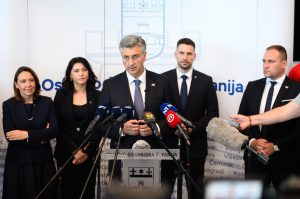
The deputy mayor of Podgorica, Luka Rakcević, heralded this strategic shift during a visit to the company, marking a departure from the traditional perception of waste as merely a problem to be disposed of. “We have come to the realization that waste is not only a resource but a significant one at that,” Rakčević declared, outlining the city’s comprehensive strategy to not just modernize waste management infrastructure but to also harness waste as a valuable source of energy.

Under the new leadership of Aleksandar Bozović, Deponija is shedding its old skin, embracing a vision where waste is seen as an asset. The proposed bioenergy plant and incinerator are central to this vision, with the latter poised to convert non-recyclable waste into a substantial supply of electrical energy. This initiative is not just about clean energy production; it’s about redefining waste management in Montenegro.
With over a million euros earmarked for landfill improvements this year alone, the capital is gearing up for significant advancements in waste sorting and recycling. “Primary waste selection is at the heart of our strategy,” Rakcević added, signaling a more proactive stance in tackling waste at its source.
Deponija’s acting director, Bozovic, shared that the bioenergy project is already in motion, with plans to soon seek experts for a feasibility study, building on existing preliminary studies. The designated site for the bioenergy plant promises not just environmental benefits but financial viability, with projections of the project paying for itself within five to six years, followed by two decades of profit.
But it’s the incinerator project that could be a game-changer for Montenegro, offering a solution to municipal waste challenges across the entire country and generating significant electrical energy. With 950,000 euros allocated for new machinery and an additional 80,000 euros for project design, Podgorica is on the cusp of an eco-friendly metamorphosis that could set a precedent for sustainable urban management in the region.