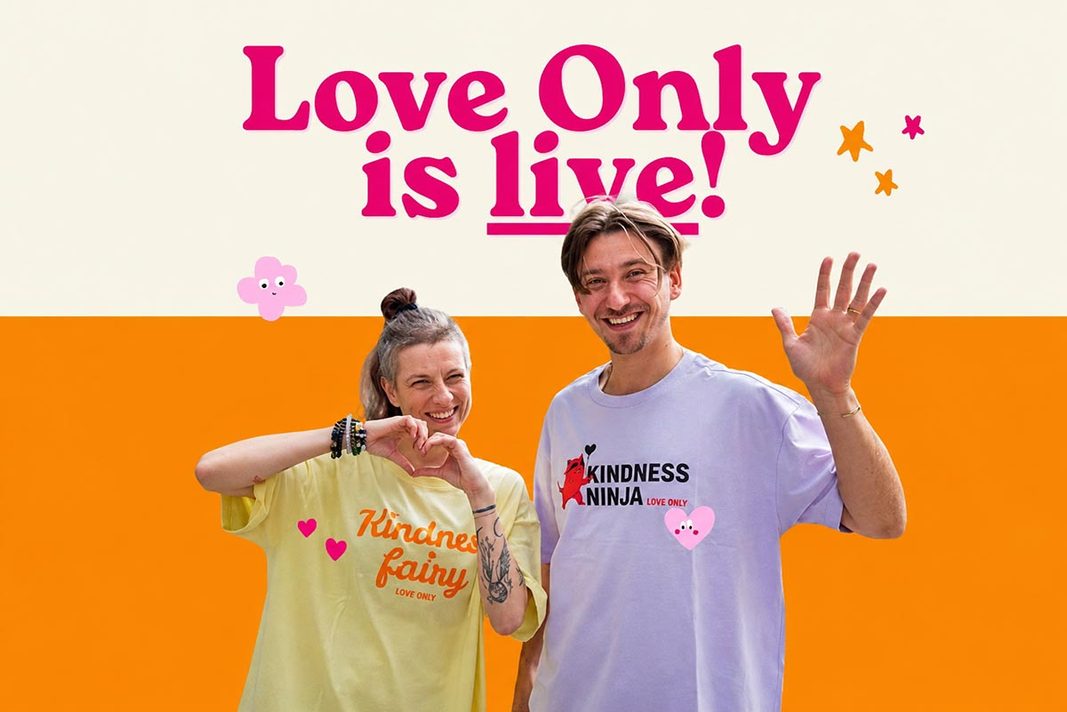
The Love Only campaign, launched by Slovenia’s 8 March Institute, invites volunteers to stand behind journalists, activists, researchers and human rights defenders who become targets of organised digital attacks because of their work for democracy, equality and social justice.
The organisers argue that coordinated online harassment has increasingly become a tool used to intimidate people who expose corruption, challenge abuses of power or demand political accountability. Such campaigns can involve false claims, manipulated information, personal attacks, threats and smear campaigns.
The growing use of artificial intelligence has added another dimension, making it easier to create fake accounts, fabricated photographs and videos and large quantities of misleading content. According to the campaign, a relatively small group can create the impression of widespread public outrage when fake accounts, bots and affiliated networks repeatedly amplify the same accusations.
The objective, organisers say, is not simply to damage a person’s reputation. Coordinated harassment can isolate and intimidate its targets, potentially forcing them to withdraw from public life or abandon their work altogether. It can also serve as a warning to others who might otherwise consider speaking out.
Rather than confronting or arguing with those behind the attacks, Love Only aims to respond with visible support for the person being targeted.
Campaign organisers will identify suspected coordinated attacks around the world, verify the circumstances and prepare short explanations of individual cases. Volunteers will then be given links to the relevant posts and encouraged to leave supportive messages for the person facing the harassment.
The campaign will also use Instagram and Facebook to explain individual cases, introduce people who have been targeted and share public messages of solidarity from supporters.
Nika Kovač, director of the 8 March Institute and coordinator of My Voice, My Choice, said the campaign aims to challenge the perception that the hostile comments seen online necessarily represent the views of the wider public.
The initiative is built around a simple principle: when coordinated online harassment tries to make someone feel isolated, collective solidarity can show them that they are not alone.