
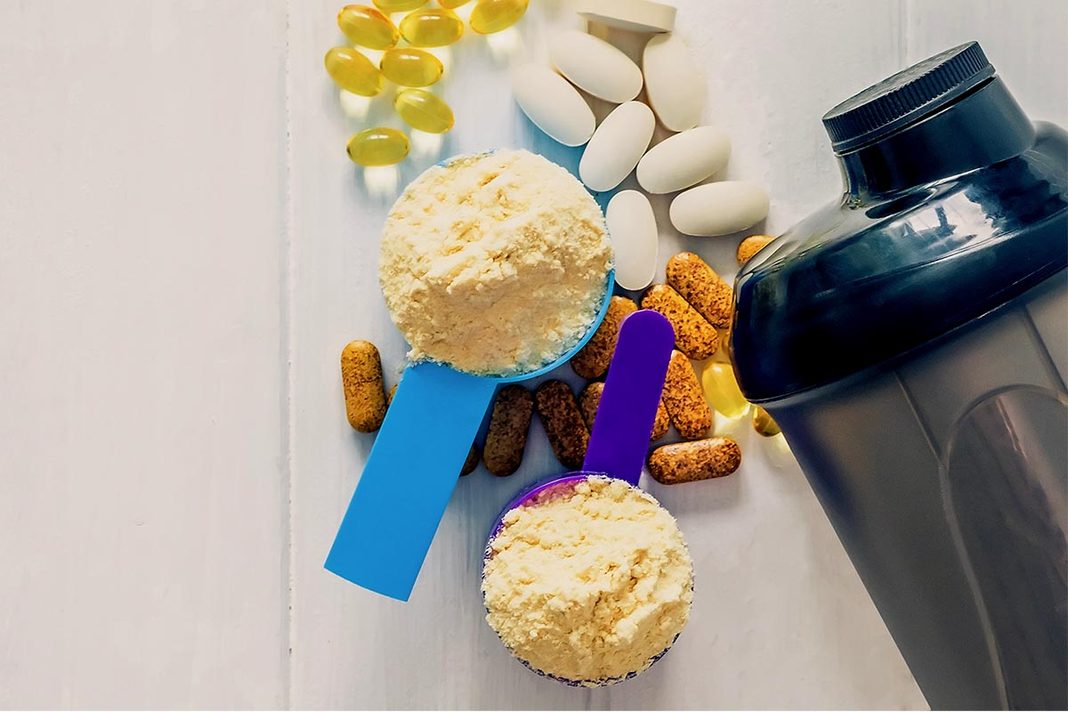
The period of the COVID-19 pandemic may have contributed to a broader change in the way people think about their health. The pandemic pushed questions about immunity, prevention and nutrition into the centre of everyday conversations, while social media simultaneously created an endless stream of health-related advice. For some people, taking vitamins and supplements became almost a form of reassurance: if there was something they could take, they felt they were doing something to protect themselves.
There is, of course, nothing wrong with caring about one’s health. Preventive check-ups, a balanced diet, regular physical activity and paying attention to symptoms are all important. But health-consciousness can easily turn into health anxiety, particularly when people begin looking for deficiencies or problems that may not actually exist.
Many people begin taking vitamin D, magnesium, iron, zinc or other supplements simply because someone online recommended them. Yet whether a person actually needs a particular supplement depends on their diet, lifestyle, medical history and, in many cases, laboratory results.
The supplement culture becomes particularly concerning when it reaches teenagers. Young people are constantly exposed to images of highly muscular bodies, rapid transformations and fitness influencers presenting protein powders, creatine and other products as an almost obligatory part of achieving a certain appearance.
Protein itself is not inherently dangerous, and neither is creatine when it is appropriately used. But the question is whether a teenager actually needs a particular product, in what amount, and whether there are underlying health circumstances that should first be considered.
Adolescents may also be more vulnerable to the pressure for immediate results. Instead of gradually building strength through training, sleep and adequate nutrition, they can be encouraged to look for shortcuts. More importantly, a teenager may not know whether an apparently harmless supplement is appropriate for them or whether it could interact with medication or an existing health condition.
Some inherited and chronic conditions can remain unnoticed for years. That is another reason why “everyone else is taking it” is not a sufficient reason to take a supplement. Listen to your doctor – not the algorithm. The internet has made health information more accessible than ever, but it has also blurred the line between information and medical advice. An influencer can share what worked for them, but they do not necessarily know the medical history of the person watching the video.
The same applies to the upcoming flu and virus season. When people start feeling unwell, the instinct to immediately buy a collection of vitamins, minerals or other products promoted online can be strong. But the better first step, particularly when symptoms are significant or persistent, is to consult a doctor rather than self-prescribe a supplement regime.
Doctors are not infallible, and patients have every right to ask questions, seek a second opinion and understand why a particular treatment or supplement is being recommended. But an individual healthcare professional who knows a patient’s medical history is still in a fundamentally different position from a stranger on Instagram or YouTube.
Ultimately, the question is not whether supplements are “good” or “bad”. Some are genuinely useful when there is a demonstrated need. The question is where we draw the line between sensible supplementation and the belief that we constantly need to take something in order to be healthy.
Taking care of our health should not mean being afraid of every possible deficiency, illness or imperfect meal. Sometimes the healthiest approach is much simpler: eat reasonably well, move, sleep, go for preventive check-ups, pay attention to your body – and before adding another bottle to the shelf, ask whether you actually need it.