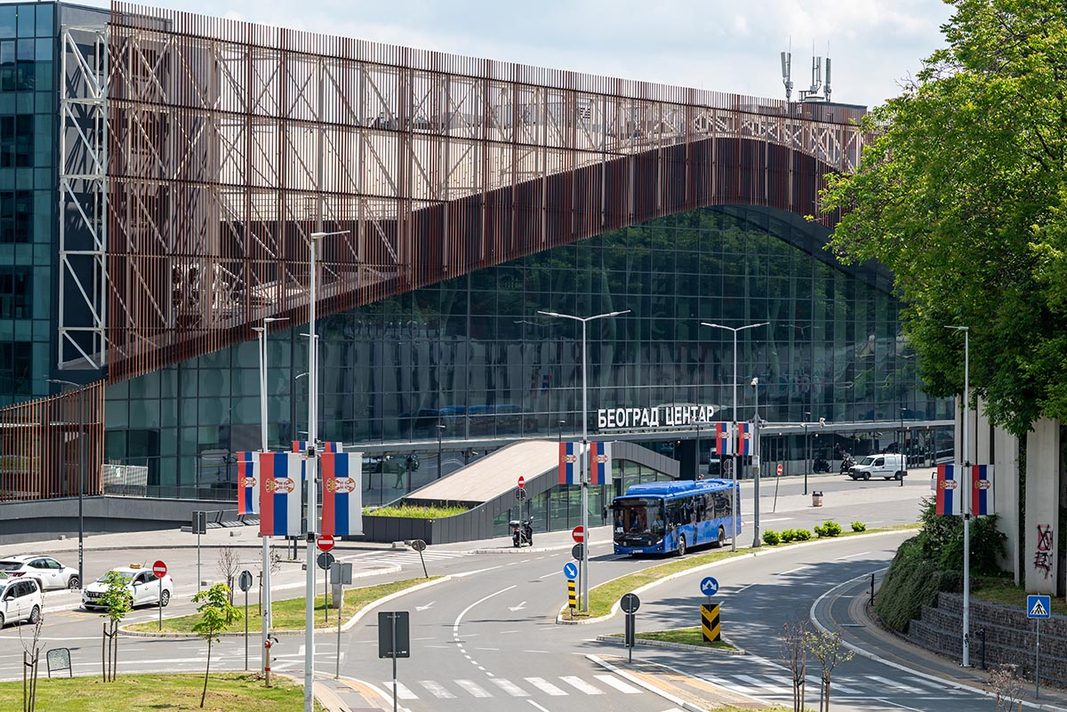
The planned works are aimed at increasing the capacity of the street and improving traffic flow, particularly around one of the busiest parts of the city where several major roads and public transport routes intersect.
The project is part of Belgrade’s broader programme of infrastructure improvements, which includes upgrades to roads, intersections and public transport infrastructure as the city continues to expand and traffic volumes increase.
Improvements to the road network are becoming increasingly important as Belgrade faces persistent congestion and growing pressure on its existing transport system. The capital’s population and number of daily commuters have increased over the years, while many major routes remain dependent on infrastructure designed for considerably lower traffic volumes.
The expansion of Deligradska Street is expected to improve connectivity in the area and make movement through the surrounding streets more efficient. It is also intended to complement wider investments in Belgrade’s transport network, including the development of the city’s planned metro system and improvements to existing public transport.
For residents and commuters, projects such as this could provide relatively immediate improvements to traffic flow, although experts generally point out that road expansion alone cannot resolve congestion in a rapidly growing city. Long-term improvements will also depend on better public transport, dedicated lanes, rail connections and more efficient traffic management.
The works therefore form part of a broader question facing Belgrade: how to modernise its transport infrastructure while reducing dependence on private cars and creating a more efficient urban mobility system.