
The 2026/27 UEFA Nations League enters its decisive stage this week, with eight national teams from Southeast Europe preparing for the final two matches of the league phase. For some sides, the final round offers a chance to turn their campaigns around, while others will be looking to protect positions they have worked hard to secure.
Montenegro is among the region’s most successful teams so far, leading League C Group 2 with 10 points. Mirko Vučinić’s team will host Latvia in Podgorica on 12 November before travelling to Cyprus on 15 November. Cyprus is second with seven points, followed by Armenia with four and Latvia with one. Montenegro is therefore in a strong position to secure promotion, but the narrow gap between the top two means there is little room for complacency. Albania is also enjoying an impressive campaign, sitting at the top of League C Group 1 with nine points. It will host Finland on 12 November and travel to Belarus on 15 November. Both Belarus and Finland have seven points, making the two remaining fixtures particularly important in the race for first place.
Croatia, meanwhile, will be hoping to recover from a disappointing October window. After suffering heavy defeats, including a 7–0 loss to England, the team sits third in League A Group 3 with three points. Croatia will travel to England on 12 November before hosting Czechia on 15 November. Slaven Bilić took charge of the Croatian national team amid considerable expectations, both from within the football establishment and among supporters, having succeeded Zlatko Dalić, who had set a high standard during his tenure.
Despite having a squad filled with quality and experienced players, Bilić’s team is still working to find the right rhythm and cohesion. With Spain and England competing at the top of the group and Czechia still without a point, Croatia faces a difficult task in its remaining matches. Finishing third would leave the team facing a relegation play-off, while fourth place would mean direct relegation to League B.
Serbia also enters the final two rounds under pressure. The national team is bottom of League A Group 2 without a point after losing all four of its opening matches. Serbia will host Germany on 13 November and then travel to Greece on 16 November.
The group is led by the Netherlands and Greece, both on eight points, while Germany has five. Serbian head coach Veljko Paunović has said he wants the team to build towards its future challenges, but the squad will be without Dušan Vlahović, who is missing the international gathering due to personal circumstances, according to the coach. His absence has attracted considerable attention in Serbian football, although Paunović has declined to provide further details.
In League B Group 1, Slovenia and North Macedonia will also have important matches ahead. North Macedonia travels to Scotland on 13 November, while Slovenia hosts Switzerland on the same day. Their next meeting will take place in North Macedonia on 16 November. Switzerland leads the group with 12 points, Slovenia is second with seven, Scotland has four and North Macedonia remains at the bottom without a point. Slovenia still has an opportunity to improve its position, while North Macedonia will be looking to finish the campaign on a more positive note.
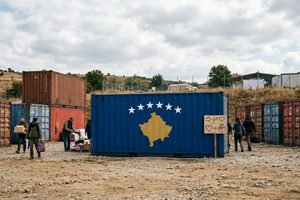
Kosovo* – currently second in League B Group 3 with five points – will host Israel on 14 November before travelling to face the Republic of Ireland on 17 November. Austria leads the group with eight points, while Ireland and Israel are also competing for a stronger finish. Kosovo* will need positive results in both matches to maintain its position and keep its hopes of promotion alive. Bosnia and Herzegovina, meanwhile, has put together a solid campaign in League B Group 4 and currently sits second with eight points, behind Sweden. The team will visit Sweden on 14 November before welcoming Romania on 17 November. With Sweden on 10 points, Bosnia and Herzegovina remains well placed to challenge for the group lead.
With only two matches remaining, the November international window promises an important conclusion to the league phase for the region’s national teams. Montenegro and Albania will seek to protect their leading positions, Slovenia and Bosnia and Herzegovina will aim to strengthen their campaigns, while Serbia, Croatia and North Macedonia face the challenge of improving difficult situations. Kosovo* will also be looking to make the most of its remaining opportunities.