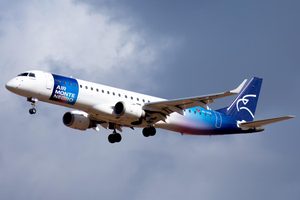

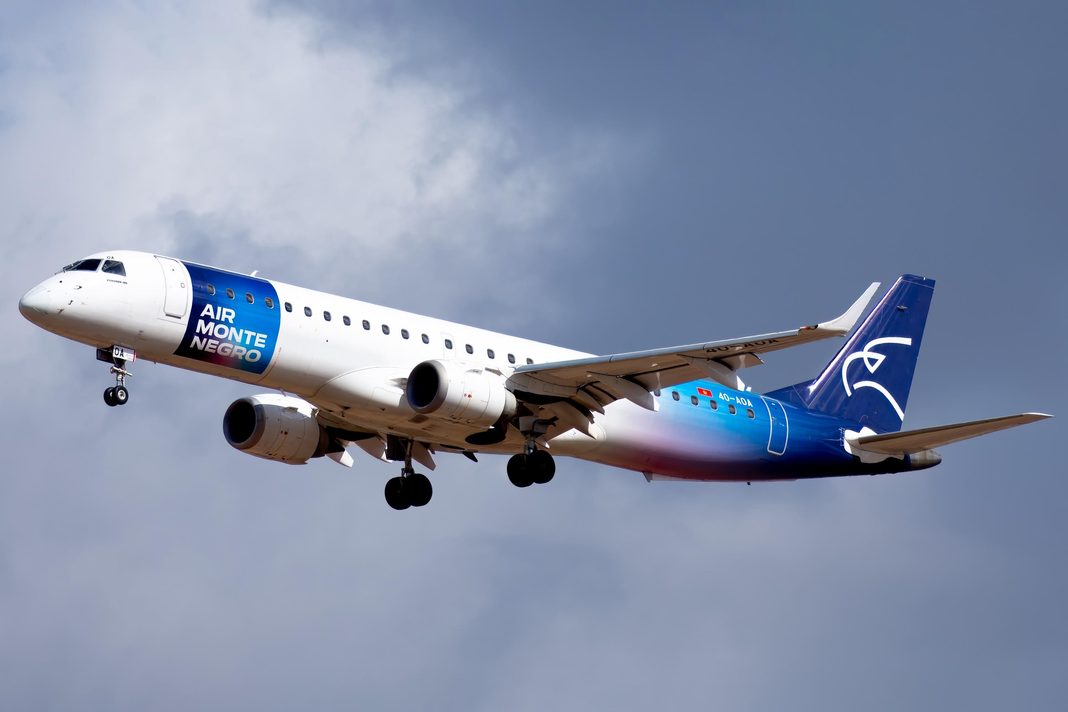
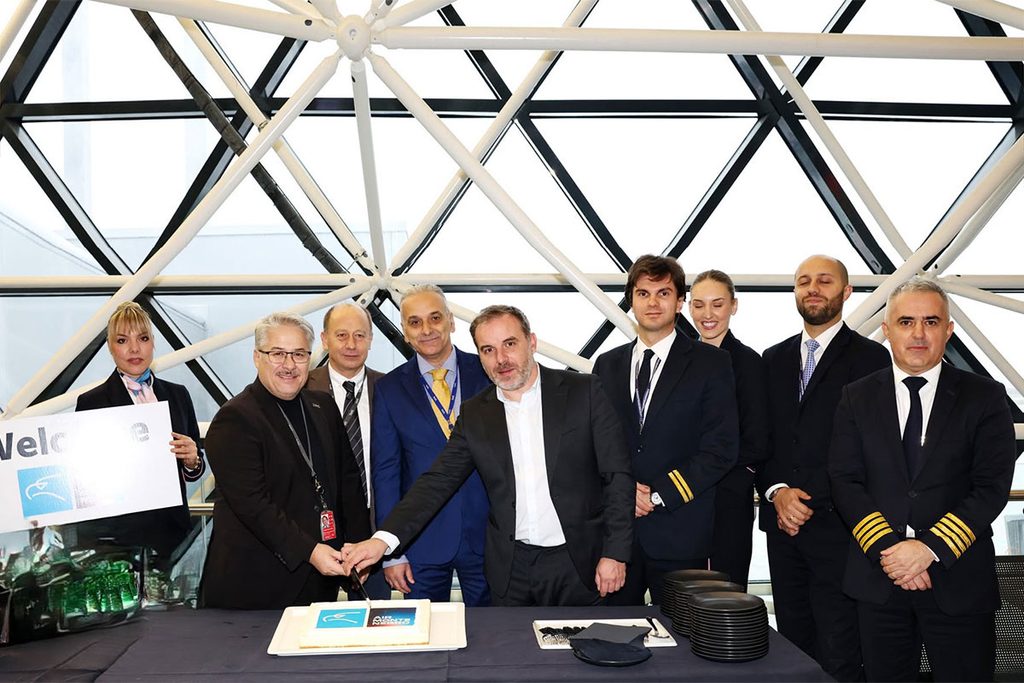
Zagreb and Podgorica are once again connected by direct flights following the arrival of Air Montenegro’s inaugural service at Zagreb Airport on 26 November. The year-round route will operate on Tuesdays, Thursdays and Sundays, with a flight time of approximately 50 minutes.
Air Montenegro CEO Vukadin Stojanović said the inaugural flight from Podgorica was almost fully booked. Montenegro’s Ambassador to Croatia, Dejan Vuković, also attended the welcoming ceremony, highlighting the potential for stronger economic cooperation, tourism and business ties between the two countries.
A Connection with a Complicated History
Despite the geographical proximity and longstanding economic ties between Croatia and Montenegro, maintaining a direct air connection between their capitals has proved challenging.
Croatia Airlines operated the route between 2008 and 2013 before withdrawing as part of its restructuring. Ryanair restored the connection in September 2021 but subsequently reduced operations to a seasonal service, citing increased airport charges in Podgorica. Its last recorded flight operated in October 2024
Passenger figures suggest that demand existed.
Ryanair carried approximately 26,800 passengers between the two capitals in 2023, with an average seat occupancy rate of 89.1%.
Montenegro Takes Connectivity into Its Own Hands
The Zagreb service is part of Montenegro’s Public Service Obligation (PSO) programme, designed to maintain strategically important air connections that airlines are unwilling to operate under the required conditions without public financial support.
Air Montenegro secured all five contracts as the sole bidder, with a combined estimated value of €4.79 million, excluding VAT. Approximately €662,000 has been allocated to the Zagreb connection.
Direct flights to Brussels will follow on 30 November, Frankfurt on 4 December, and Paris and Bari on 17 December. All five routes are scheduled to operate three times a week throughout the year.
At a time when several international airlines are reducing services across the Adria Region, Montenegro’s approach raises a broader economic question: how much should governments invest in air connectivity to support business mobility, tourism and international integration?
For Zagreb and Podgorica, the immediate challenge will be turning a strategically important connection into a commercially sustainable one.