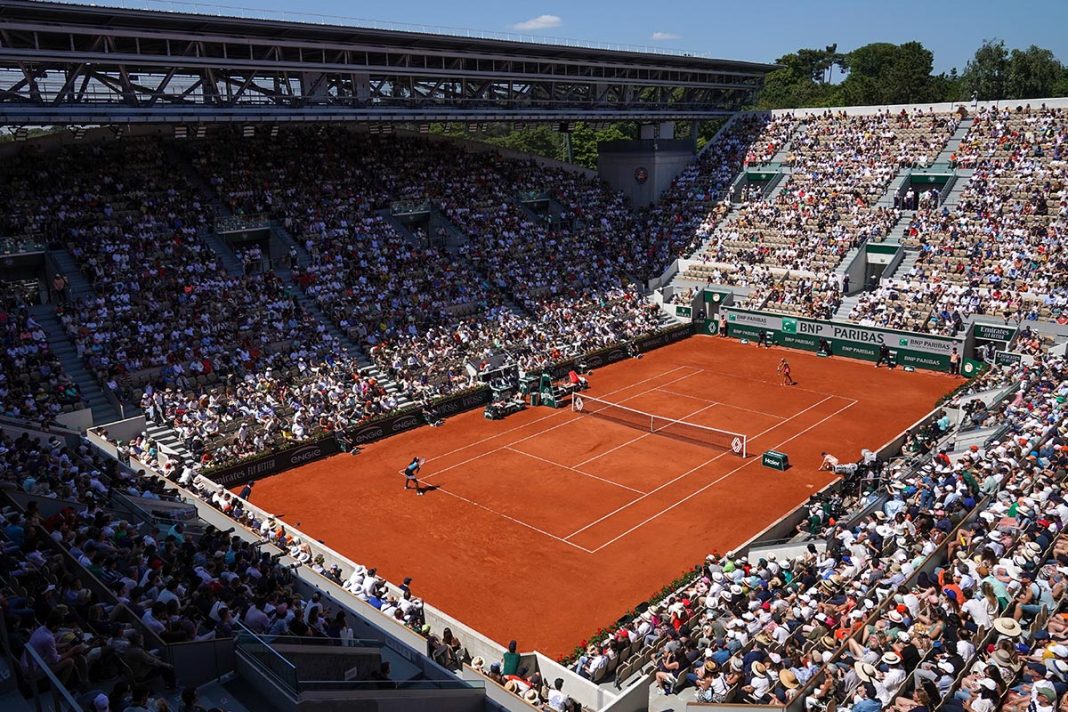
One of the tournament’s most remarkable stories belonged to Polish player Maja Chwalińska. Ranked No. 114 in the world and forced to come through qualifying rounds just to enter the main draw, Chwalińska arrived in Paris facing financial difficulties and reportedly struggled to cover accommodation costs before the tournament began. Yet she produced one of the most extraordinary runs in Grand Slam history, becoming the first qualifier in the Open Era to reach a Roland-Garros women’s final.
Standing on the other side of the net was 19-year-old Mirra Andreeva, who completed her breakthrough by winning her first Grand Slam title. In doing so, Andreeva became the youngest women’s Roland-Garros champion since Monica Seles lifted the trophy in 1992. Her victory confirmed the arrival of one of tennis’ brightest new stars, while Chwalińska’s journey proved that rankings and resources do not always determine how far a dream can go.
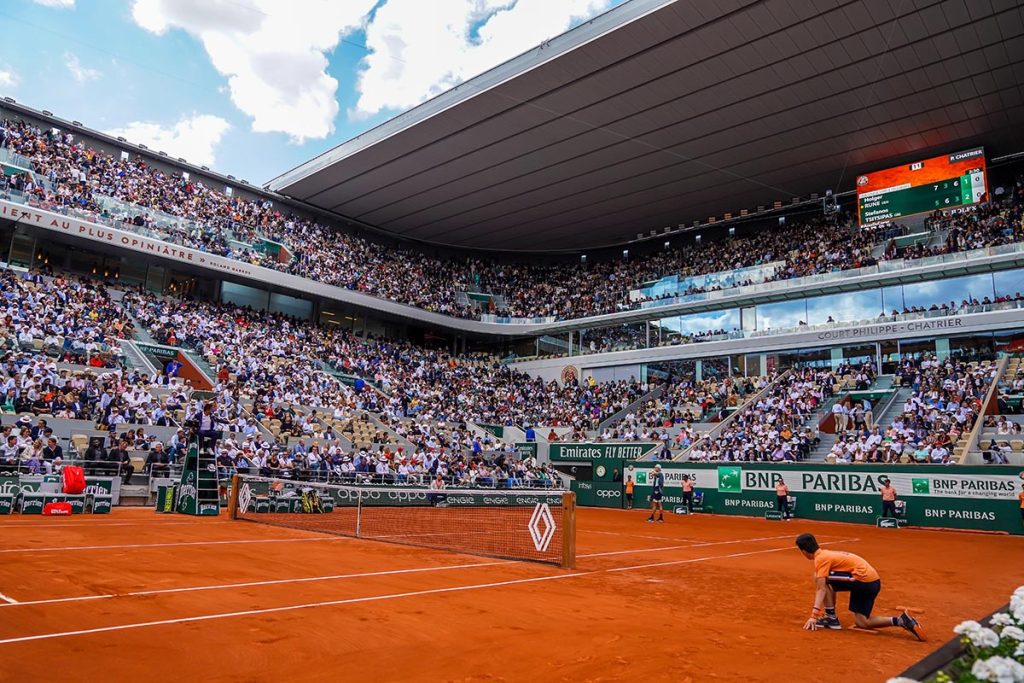
The men’s tournament offered another powerful story. Alexander Zverev finally captured his first Grand Slam title after years of near misses, defeating Italy’s Flavio Cobolli in a dramatic five-set final. The victory came in Zverev’s fourth major final and made him the first German man to win a Grand Slam title since 1996.
What makes Zverev’s achievement particularly inspiring is that he has openly lived with Type 1 diabetes since childhood. Throughout his career, he has spoken publicly about the condition and has often used his platform to encourage young people facing similar challenges. His triumph in Paris served as a reminder that even the highest levels of sport are not reserved for those with perfect circumstances. Roland-Garros 2026 showed that obstacles, whether financial, physical or personal, do not have to define a person’s limits – they can become part of the journey that leads to success.