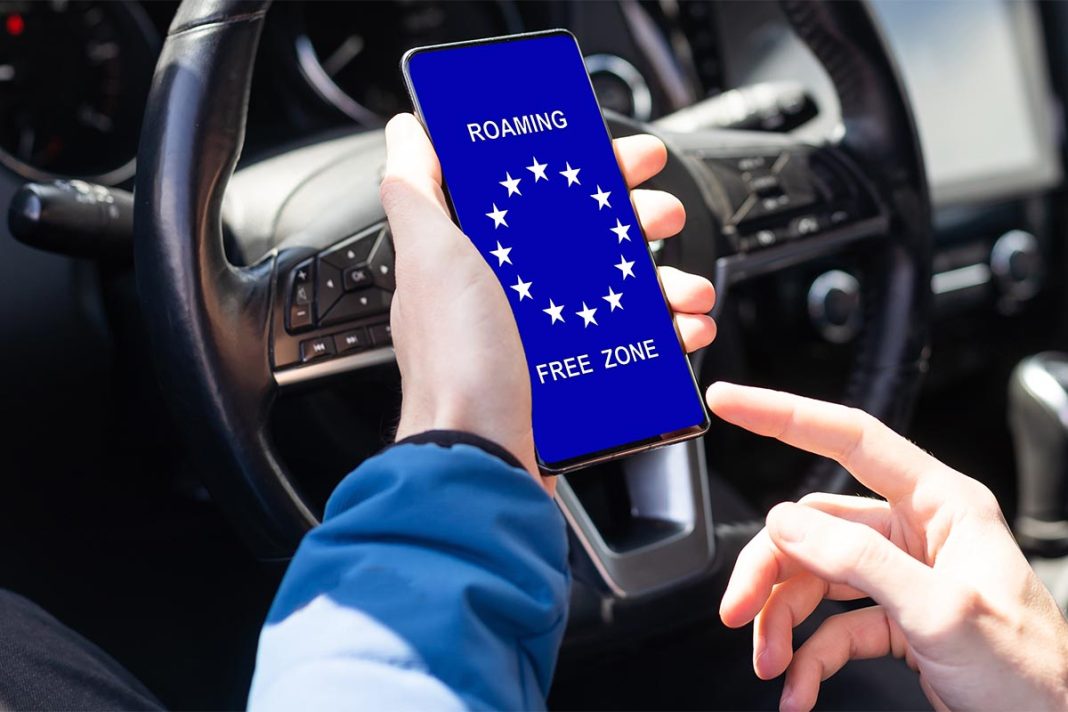
The negotiations are scheduled to begin on 12 June, when ministers from the six Western Balkan countries will meet with representatives of the European Commission to discuss the next steps and conditions for joining the EU’s roaming-free area. North Macedonia’s Minister of Digital Transformation, Stefan Andonovski, described the initiative as one of the most tangible benefits of European integration for citizens and businesses.
Under the proposal, citizens of North Macedonia and the other Western Balkan countries would eventually be able to use mobile services throughout the European Union under the same conditions as in their home country, while EU citizens would receive the same benefits when travelling in the region. The initiative forms part of a broader effort to gradually integrate the Western Balkans into the EU single market before full membership.
Most of the necessary legal and regulatory preparations have already been completed, and Skopje hopes to be among the first countries in the region to implement the new regime. Negotiations are expected to continue throughout 2026, with the possibility that roaming charges between the EU and North Macedonia could begin to disappear as early as 2027 if all conditions are met.
The initiative has been widely welcomed as another concrete step toward closer ties between the European Union and the Western Balkans, demonstrating how the benefits of European integration can be felt by citizens long before formal EU membership becomes a reality.