
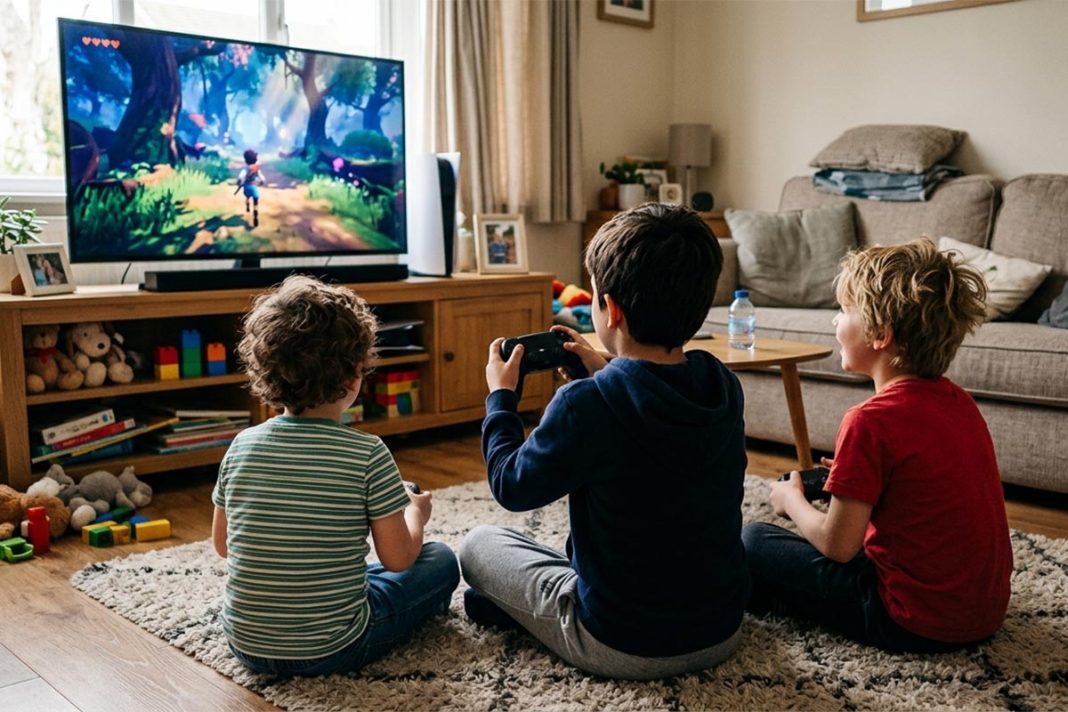
Summer holidays are meant to be a time of freedom, creativity and outdoor adventures. Yet during a heatwave, spending long hours outside is often neither comfortable nor safe. While younger children may head to the park early in the morning, teenagers are unlikely to meet friends at 8 a.m., and with temperatures often remaining high until the evening, many end up spending most of the day indoors.
Without school assignments, exams or homework, children can quickly fall into a routine dominated by social media, streaming services and video games. While screens certainly have their place, summer can also become an opportunity to rediscover activities that require little more than imagination and curiosity.
Board games remain one of the simplest ways to bring families together. Whether it’s a classic game of Monopoly, chess or cards, they encourage conversation, problem-solving and healthy competition while offering a welcome break from digital entertainment. Creative hobbies can be equally rewarding. Drawing, painting, colouring books, crafts or even learning basic photography allow children to express themselves while developing skills that often receive less attention during the school year.
Reading is another habit that can transform long afternoons indoors. Summer offers the perfect chance to explore novels, fantasy series or books related to personal interests—without the pressure of classroom assignments or deadlines. Puzzles, building sets and brain teasers also provide hours of entertainment while helping develop patience, concentration and logical thinking. Many families are rediscovering these timeless activities as an alternative to constant screen time.
The holidays can also become an opportunity to learn practical life skills. Cooking simple meals, baking, organising a bedroom, sorting clothes that no longer fit or preparing school supplies for the upcoming academic year are all ways children can gradually build independence while contributing to daily family life.
For older children and teenagers, summer may even be the ideal time to explore a new hobby or learn a new skill—from playing a musical instrument and learning a foreign language to basic coding, gardening or DIY projects.
Ultimately, the goal is not to eliminate technology altogether. Screens are an important part of modern life, and digital literacy is an essential skill. However, finding a healthier balance during the summer months can help children reconnect with activities that stimulate creativity, encourage face-to-face interaction and create lasting memories.
Sometimes, the best summer moments do not come from a phone screen, but from finishing a puzzle together, discovering a favourite book, baking a first cake or simply spending an afternoon talking around the table. As another school year slowly approaches, these quieter moments may prove just as valuable as any lesson learned in the classroom.