
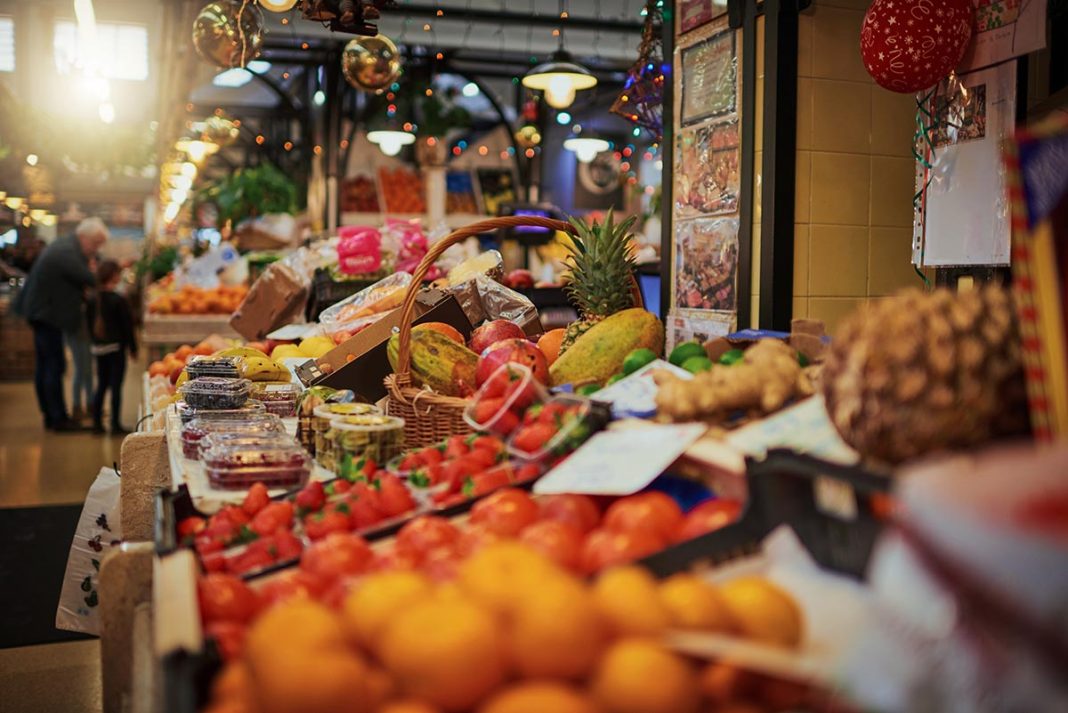
For decades, open-air markets were regarded as the most affordable place to buy fresh produce in North Macedonia. Today, however, that trend is beginning to reverse, with many consumers finding lower prices for fruit and vegetables in supermarket chains.
The shift has been attributed to several factors, including supermarkets’ stronger purchasing power, long-term contracts with suppliers, promotional campaigns and more efficient distribution networks. These advantages have enabled large retail chains to offer prices that, in many cases, undercut those found at local markets.
Market vendors, meanwhile, argue that they face higher operating costs, fluctuating supply and lower purchasing volumes, making it more difficult to compete with major retailers. They also point out that many stalls continue to sell locally grown, seasonal produce, which often comes at a higher cost than imported alternatives available in supermarkets.
Consumers have increasingly begun comparing prices before making purchases, with many opting to buy basic fruit and vegetables from supermarkets while continuing to visit traditional markets for specialty products, locally sourced produce and direct contact with farmers. The changing pricing dynamic reflects broader developments in the country’s retail sector, where large supermarket chains continue expanding their market share through aggressive promotions and competitive pricing strategies.
Despite the growing competition, traditional markets remain an important part of North Macedonia’s food culture and local economy. Beyond shopping, they continue to serve as community gathering places and an essential source of income for small producers and family farms.
Economists note that the trend illustrates how economies of scale are reshaping consumer behaviour across the region, with large retailers increasingly able to leverage their buying power to offer lower prices than independent vendors. At the same time, they stress that many shoppers still value the freshness, quality and local origin of produce found at traditional markets, even when it comes at a slightly higher price.