
From the Western Balkans to the European Union and North America, Albania’s BALFIN Group is demonstrating how regional businesses can become international investors rather than merely destinations for foreign capital.
FOR DECADES, THE WESTERN BALKANS has measured its economic progress by the foreign investors it manages to attract. But what happens when the direction of investment begins to reverse? Albania’s BALFIN Group, founded by businessman Samir Mane, offers an increasingly interesting answer.
One of Albania’s largest investment groups is expanding far beyond its home market, combining property development, retail and tourism with an international strategy that now stretches from the Balkans to North America and beyond.
Its latest move, announced in October, is a partnership with Danish retailer Flying Tiger Copenhagen to open 87 stores across Romania, Bulgaria and Croatia over the next five years. Expansion is scheduled to begin in Romania and Bulgaria in 2027, followed by Croatia in 2028. The agreement takes BALFIN into new European Union markets, building on an existing partnership covering Albania, Serbia, North Macedonia and other Western Balkan countries.
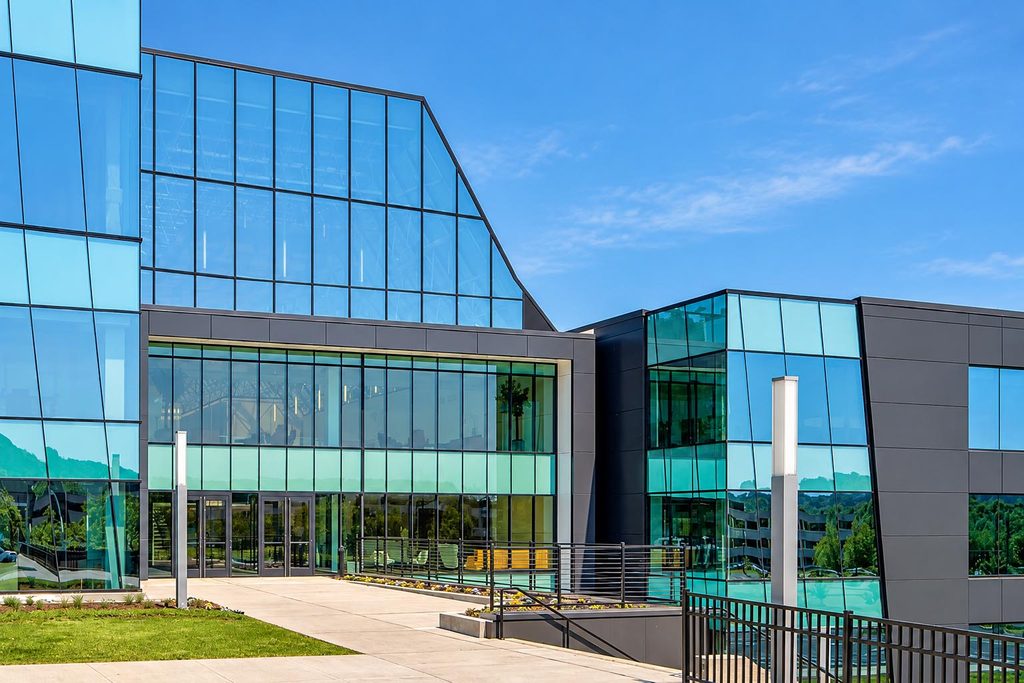
The scale is particularly striking considering where the company began. Founded in the early 1990s, BALFIN grew from trading activities into a diversified investment group with interests ranging from electronics retail and shopping centres to property development and hospitality. Today, its international ambitions extend well beyond selling goods across neighbouring borders.
In North America, BALFIN has established a real estate presence in New York and expanded its investment activities to Seattle. Its property portfolio and development ambitions also encompass several European markets, reflecting a strategy that increasingly treats international expansion as a central part of the business rather than an occasional opportunity.
There is substantial institutional interest behind this growth. In August, the European Bank for Reconstruction and Development approved a loan of up to €25 million to support BALFIN’s retail expansion across the Western Balkans and Moldova. Separately, the International Finance Corporation proposed a €140 million financing package covering retail expansion towards Ukraine and the South Caucasus, alongside commercial and tourism investments in Albania.
The group’s internationalisation also tells a broader story about the region’s changing economic identity. For years, successful Balkan businesses were often defined by their ability to attract a foreign buyer. BALFIN represents a different model: a company originating in a relatively small economy that is now
entering larger markets, developing international partnerships and seeking opportunities across several continents.
Of course, expansion plans are not the same as completed investments. Entering established European markets brings intense competition, unfamiliar consumer habits and significant financial commitments. The challenge will be to translate geographic reach into sustainable profitability.
Nevertheless, the direction is noteworthy. Albania is no longer simply a market being discovered by international investors. Through companies such as BALFIN, it is also becoming a source of capital, entrepreneurship and commercial ambition abroad. And that may be one of the more revealing signs of how the region’s economic landscape is changing.