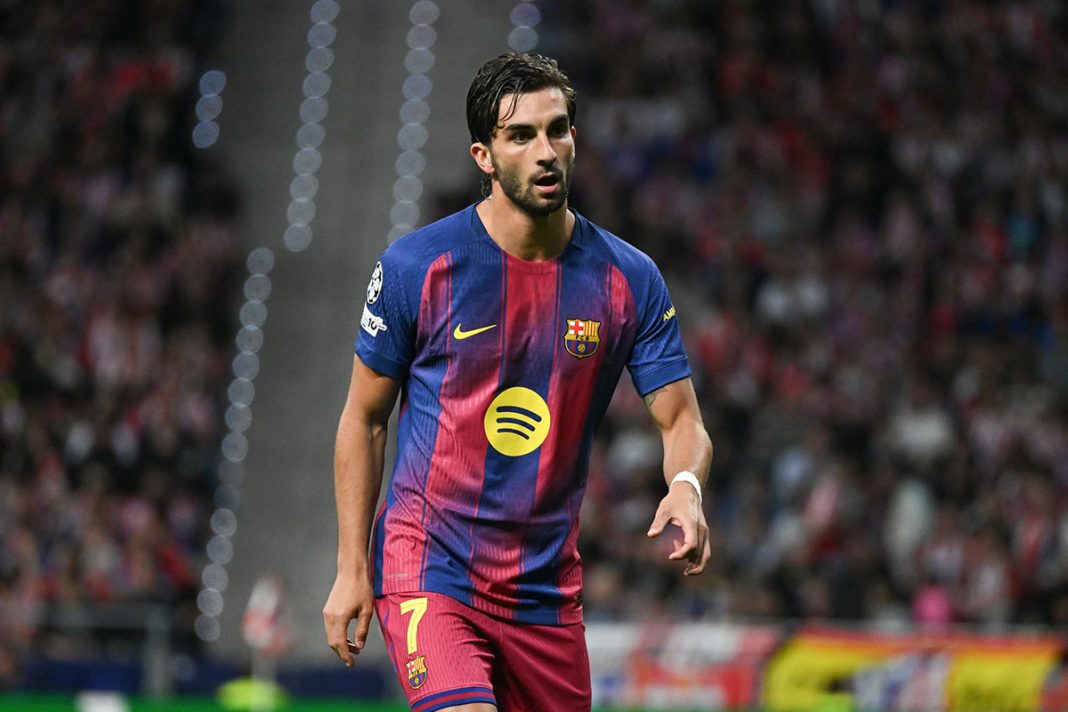
When Ferran Torres scored the only goal of the World Cup 2026 final against Argentina and was named Player of the Match, millions celebrated the footballing moment. Yet behind the trophy, the applause and the headlines lies a story that goes far beyond football – one of resilience, vulnerability and the importance of mental health.
Born on 29 February 2000 in Foios, near Valencia, Torres began his football journey in the youth academy of Valencia CF. Unlike many Spanish stars, he did not come through Barcelona’s famous La Masia academy. Instead, he developed at Valencia, where he made his first-team debut as a teenager before establishing himself as one of Spain’s brightest young talents.
His performances earned him a move to Manchester City in 2020, where he worked under Pep Guardiola and won domestic silverware. In 2022, he joined FC Barcelona, returning to Spain as one of the club’s major attacking signings and taking on the pressure that inevitably comes with wearing one of football’s most demanding shirts. That pressure, however, came at a significant personal cost.
Throughout his career, Torres has spoken openly about the psychological struggles he experienced. Constant criticism, social media abuse and persistent claims that he was “not good enough” gradually affected his confidence and mental wellbeing. At one point, the pressure became so overwhelming that he seriously considered walking away from football altogether.
Rather than ignoring the problem, Torres chose to confront it. He stepped back, sought professional help and began regular psychotherapy. In later interviews, he explained that therapy helped him understand himself better, rebuild his confidence and, in his own words, “pull him from the bottom”. He has repeatedly credited mental health professionals with helping him rediscover not only his football but also his enjoyment of life.
By speaking publicly about therapy and psychological wellbeing, Torres joined a growing list of elite athletes – including Olympic gymnastics legend Simone Biles and world figure skating champion Alysa Liu – who have challenged the outdated belief that mental struggles are a sign of weakness. Instead, they have shown that asking for help is often one of the greatest acts of strength.
His story also raises an important question for the Western Balkans, where conversations about mental health – particularly in professional sport – remain far less common than in many Western countries. Clubs across the region invest heavily in fitness coaches, nutritionists and physiotherapists, yet psychological support is often overlooked or treated as unnecessary.
Modern elite sport demands extraordinary physical preparation, but it also places athletes under relentless pressure from fans, media, sponsors and social networks. Just as every professional club employs physiotherapists to care for players’ bodies, many experts now argue that sports psychologists and psychotherapists should become just as essential, helping athletes protect the part of their performance that cannot be measured in kilometres run or goals scored – their mental wellbeing.
Torres’ World Cup-winning goal may have secured Spain the biggest trophy in football, but his willingness to speak honestly about anxiety, self-doubt and therapy may ultimately prove to be an even greater contribution to the sport.nWhether critics now believe he has finally proven his talent, or whether they argue he simply found himself in the right place at the right time, is ultimately beside the point.
What cannot be questioned is this: Ferran Torres had the courage to admit that he was struggling, the determination to seek help and the resilience to return stronger than ever. Today, he is not only a FIFA World Cup champion and the hero of Spain – he has become a powerful reminder that elite athletes are human beings first. Perhaps that is the most important lesson his story leaves behind.