
Kosovo's* government has approved a ban on electricity trading by companies linked to Serbia, covering the purchase, sale, import and export of electricity, including transactions conducted through transit or resale in third countries.
The decision, adopted on 16 November, applies to companies whose direct or ultimate parent company is registered in Serbia, branches of Serbian-registered businesses, and enterprises with direct or indirect ownership links to Serbian individuals or legal entities. The Kosovo* Business Registration Agency has been instructed to identify the affected companies using registration and beneficial ownership records.
An exception has been made for electricity trading arrangements arising from the Brussels energy agreements of 2013, 2015 and 2022, preserving activities covered by those agreements.
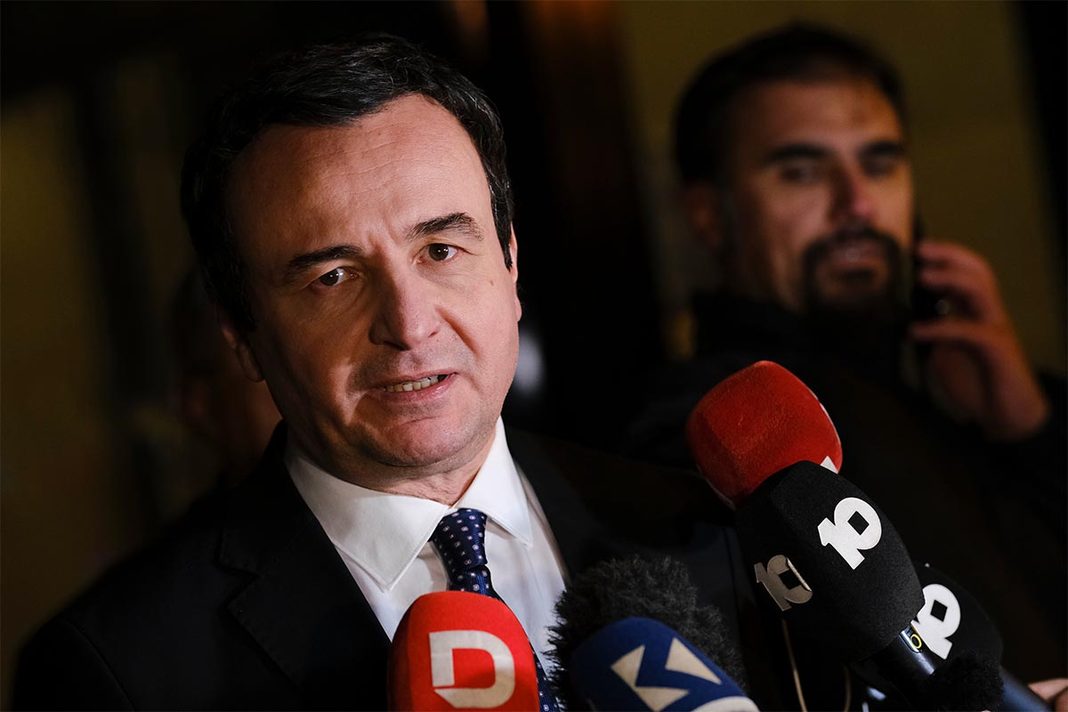
Prime Minister Albin Kurti described the restrictions as an initial response to what his government considers Serbia's continued obstruction of cross-border electricity trading.
According to Kurti, Serbia's restrictions on two 400-kilovolt interconnection lines have complicated electricity transit, increased pressure on alternative routes through neighbouring countries and contributed to higher energy costs.
The government indicated that additional measures could follow if the dispute remains unresolved.
At the same meeting, Kosovo's* government approved emergency measures for the electricity sector, to remain in force for 60 days from their entry into force. The Kosovo Energy Corporation (KEK) has been assigned a public service obligation to secure cross-border transmission capacity to address an anticipated shortfall in generation from Unit B1 of the Kosova B power plant.
The government also approved additional measures concerning electricity supply through the Ibër-Lepenc enterprise.
The decisions come as Kosovo* seeks to manage domestic electricity supply while confronting unresolved disagreements over regional transmission infrastructure.
The restrictions introduce another complication into electricity trading in the Western Balkans, where interconnected networks and cross-border capacity are essential to maintaining supply and managing prices.