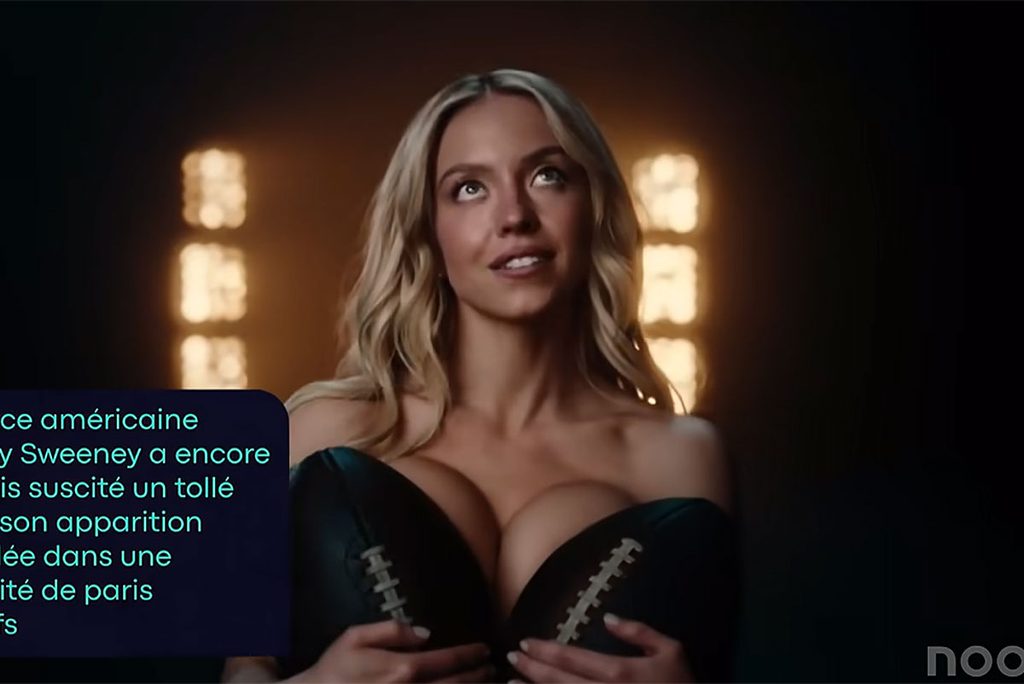
While the campaign was not specifically aimed at female athletes, its highly sexualised portrayal of Sweeney has prompted women across social media to push back against a culture in which women are too often judged by their appearance before their achievements.
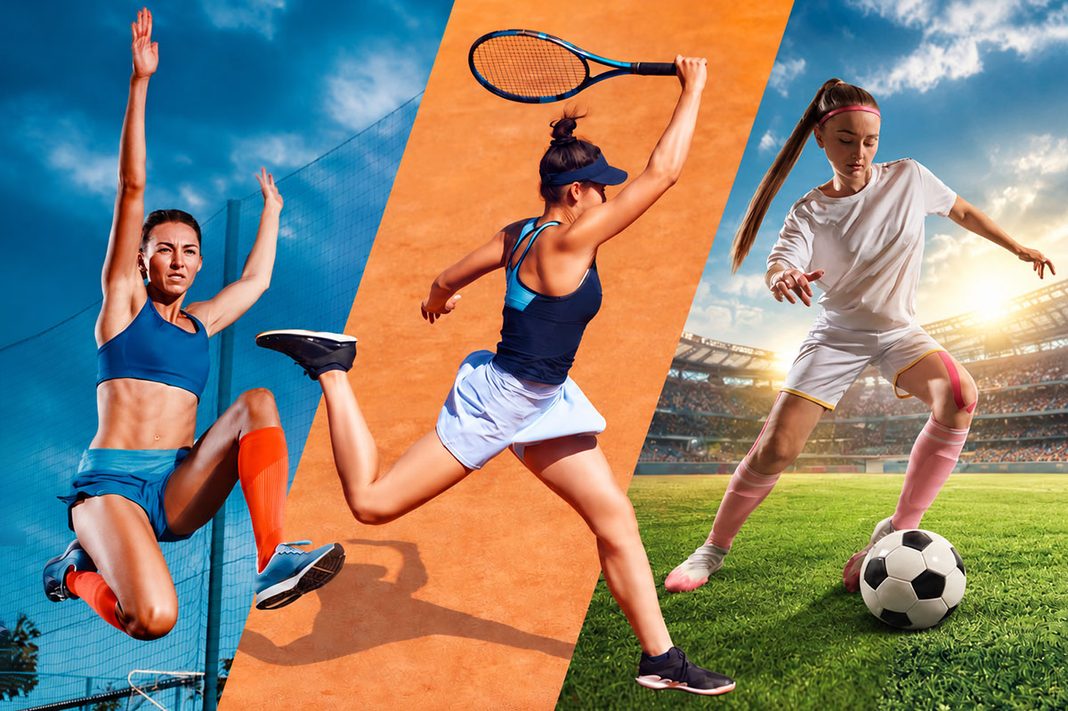
Female athletes have increasingly used social media to show what their bodies are actually capable of, posting footage from boxing, wrestling, bodybuilding, athletics, triathlon, marathon running and other physically demanding sports traditionally associated with men. Their message is simple: a woman’s body should not be assessed primarily by how it looks, but by what it can achieve. For years, female athletes have faced scrutiny over their weight, muscles, hair, skin and clothing, while their male counterparts are far more likely to be discussed through their performances and results.
The issue is particularly important among younger girls. Research has repeatedly shown that concerns about body image can be a major reason why girls abandon sport during adolescence. According to Women in Sport, 64% of girls aged 7 to 16 say they have concerns about their bodies, while body image is among the factors that can contribute to girls becoming less active as they grow older. The pressure is not limited to elite athletes: girls can be made to feel that they are either too thin, too muscular, too large or simply not feminine enough to participate in certain sports.
This has led to a growing movement among female athletes to reclaim the conversation around their bodies. Rather than hiding their muscles or apologising for the physical changes that come with training, women are increasingly presenting strength itself as something worth celebrating. The message is particularly powerful in sports such as boxing, wrestling and bodybuilding, where female competitors have historically had to navigate stereotypes that their bodies or appearance are somehow incompatible with femininity.
The debate also raises questions about who gets to speak about women in sport. Some critics of the Sweeney campaign argued that, as an actress rather than an athlete, she should not be presented as a representative voice for women in sport. Others have pointed out that the issue goes beyond one celebrity or one advertisement: the real problem is a culture in which women’s bodies remain a marketing tool even as female athletes continue fighting to have their achievements taken as seriously as those of men.
For women in sport, equality means more than simply allowing women to compete. It means giving female athletes the same attention for their results, medals, records and performances, without making their appearance an additional measure of their success. It also means creating more opportunities for girls to enter sports still widely perceived as “male” and ensuring that winning a medal as a woman carries the same recognition and respect as winning one as a man.
For the Western Balkans, the debate carries an additional significance. The region still faces deeply rooted gender stereotypes and inequalities that have shaped the way women are perceived in public life, education, science, business and sport. If a campaign can provoke such a strong backlash in societies where gender equality has been at the centre of public debate for decades, the question is what should be expected in a region that is still working to dismantle many of the same stereotypes.
The answer should not be resignation, but greater determination. Across the Western Balkans, women are increasingly making their mark in sports, science, business and other fields traditionally dominated by men, and that progress should not be undermined by a return to the idea that a woman’s appearance matters more than her achievements.