By: Ivana Karalejic , Photo: Miamaya
How Luxury Fashion Became One of the World’s Most Powerful Industries
Luxury fashion is often associated with beauty, craftsmanship and exclusivity. Yet its greatest achievement may be something far more powerful: transforming clothing into a symbol of identity, status and aspiration.
Today, luxury fashion is a global industry worth hundreds of billions of euros. Its influence extends beyond wardrobes into culture, entertainment, architecture and business. Yet the foundations of this vast industry were laid in the salons of nineteenth-century Paris, where fashion first began its journey from craftsmanship to global power.
THE BIRTH OF LUXURY FASHION
Most fashion historians trace the origins of modern luxury fashion to the mid-nineteenth century, when English-born designer Charles Frederick Worth established his fashion house in Paris.
Worth changed the role of the designer forever. Instead of simply producing garments according to a client’s wishes, he created his own collections and presented them to customers.
For the first time, the designer became an author rather than a craftsman.
This innovation gave birth to haute couture and established a model that luxury fashion houses still follow today: creativity, exclusivity and a distinctive artistic vision.
SELLING DREAMS AFTER THE WAR
If Worth created the modern designer, Christian Dior transformed fashion into a global business.
When Dior unveiled his first collection in 1947, Europe was still recovering from the hardships of World War II. His famous “New Look”, with its narrow waists and voluminous skirts, offered a dramatic contrast to years of austerity and rationing.
The collection caused a sensation. Critics viewed it as extravagant, but customers embraced it as a symbol of renewal and optimism.
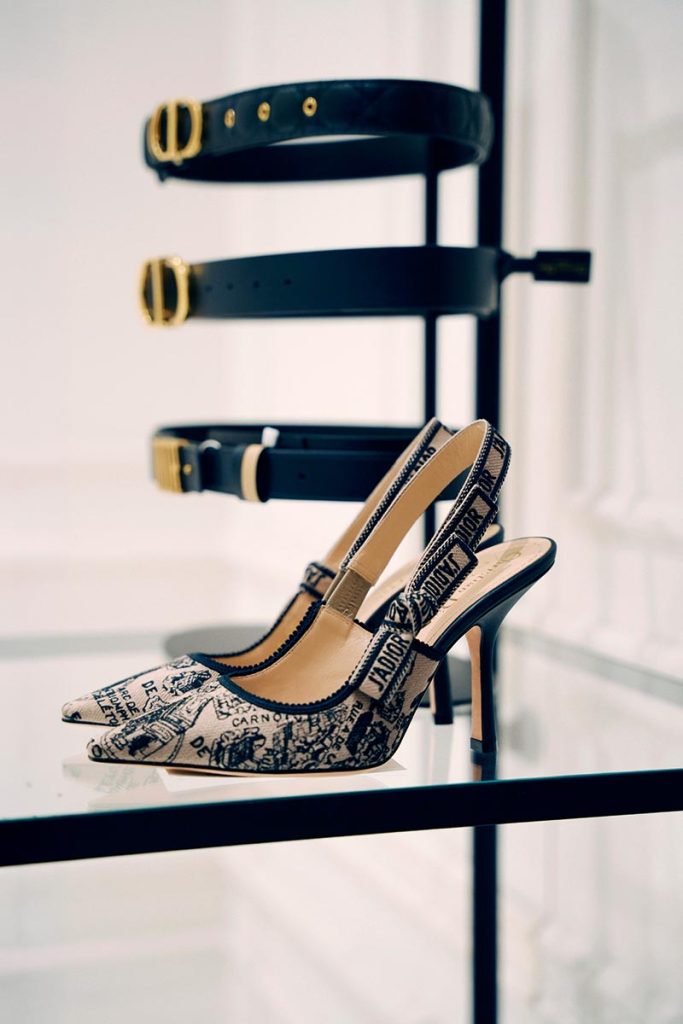
Dior understood a lesson that remains central to luxury branding today: people rarely buy products alone. They buy stories, emotions and aspirations. Within a few years, his fashion house had expanded internationally and helped define the modern luxury brand.
FASHION AS A CULTURAL FORCE
Among the young talents who emerged from Dior’s atelier was Yves Saint Laurent, one of the most influential designers of the twentieth century.
After Dior’s death, Saint Laurent became creative director at only twenty-one years of age before launching his own label. His most famous creation, the women’s tuxedo known as “Le Smoking”, challenged social conventions and became a symbol of confidence, independence and modern femininity.
Luxury fashion had evolved beyond clothing. It had become a reflection of changing cultural values and social attitudes.
CRAFTSMANSHIP, CREATIVITY
AND GLOBAL GROWTH
While Paris remained the centre of luxury fashion, influential brands emerged elsewhere in Europe.
One of the most notable examples is Loewe, founded in Madrid in 1846 as a collective of leather artisans. Unlike many luxury houses that built their reputation through glamour, Loewe became known for exceptional craftsmanship and meticulous attention to detail. Its success demonstrated that quality itself could become a luxury.
Another important figure was Azzedine Alaïa, whose designs became renowned for their precision, elegance and timeless appeal. His commitment to quality over commercial pressure earned him a reputation as one of fashion’s true artisans.
By the end of the twentieth century, luxury fashion had entered a new era. Many historic fashion houses became part of international groups managing portfolios of prestigious brands. Globalisation, digital media and expanding consumer markets transformed luxury from a collection of family businesses into a worldwide industry.
Today, luxury brands sell far more than clothing and accessories. They offer heritage, identity and belonging. A handbag or tailored jacket may be beautifully crafted, but its value often lies in the story and reputation behind it.
MORE THAN FASHION
More than a century after Charles Frederick Worth revolutionised the role of the designer, luxury fashion continues to shape the way people express success, ambition and individuality.
Its lasting influence comes not only from exceptional craftsmanship or iconic designs, but from its ability to turn objects into symbols and brands into cultural institutions.
That is why the history of luxury fashion is not simply a story about clothing. It is a story about creativity, aspiration and the enduring power of desire.
WHERE TO EXPERIENCE
THE WORLD’S LEADING
LUXURY HOUSES
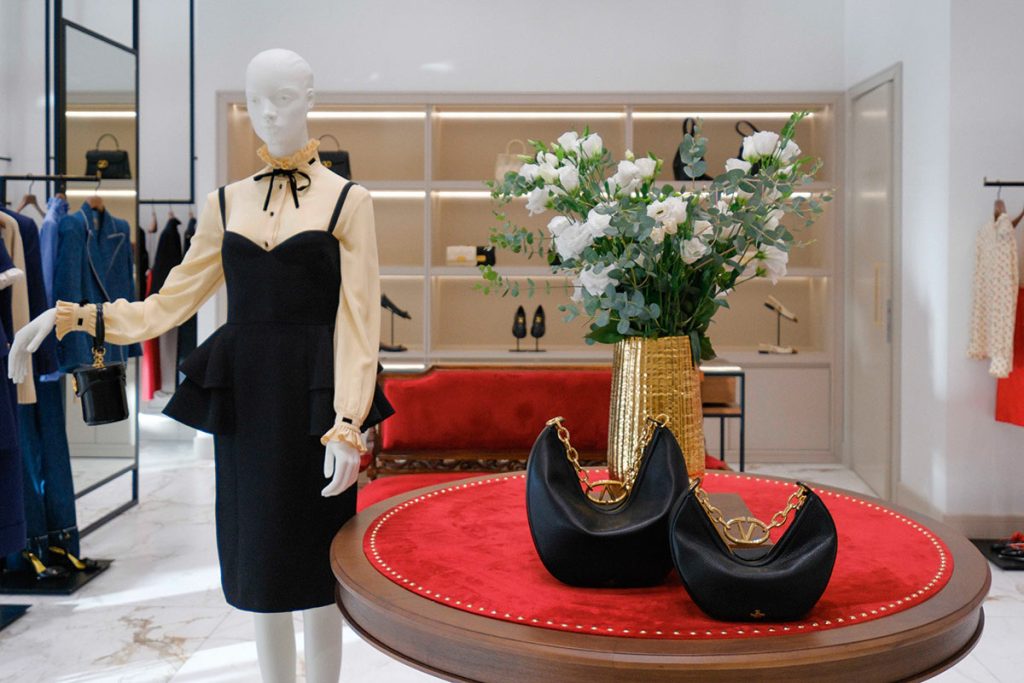
Many of the brands that helped shape the history of luxury fashion, including Dior, Saint Laurent, Loewe and Alaïa, are available in Serbia through MiaMaya Gold in Galerija Belgrade, bringing some of the world’s most celebrated luxury houses to local customers.