Twenty years after founding Operosa and thirteen years after bringing the festival to Montenegro, Katherine Haataja reflects on building institutions, nurturing talent and creating an international cultural platform where none previously existed
When Finnish mezzo-soprano Katherine Haataja arrived in Montenegro, she found a country with a rich cultural heritage but without a national opera and with limited opportunities to experience opera on a regular basis. Rather than seeing a limitation, she saw an opportunity.
Over the past thirteen years, Operosa Montenegro Opera Festival has grown into one of Montenegro’s most distinctive cultural events, bringing internationally acclaimed artists to Herceg Novi while
creating opportunities for young performers from Montenegro and across the region.
Alongside the festival, Operosa has evolved into a platform for education, international cooperation and cultural exchange.
We spoke with Haataja about building an opera festival from scratch, attracting world-class artists, nurturing young talent and the role culture can play in shaping a country’s international identity.
You founded Operosa twenty years ago and brought the festival to Montenegro more than a decade ago. Looking back, what convinced you that a country better known for its coastline than its opera tradition could become a home for an international festival?
Opera is the original European art form par excellence. It encompasses all different classical art forms in one; music, theatre, fine arts and even dance. Opera is typically present in every European country and embedded in the historical roots of each nation. So when I arrived in this beautiful country and learned that, despite its rich cultural heritage, Montenegro did not have a national opera or regular opera performances, I felt compelled to put my knowledge and passion to work.
I have had the wonderful opportunity to spend my entire life immersed in opera and culture. I was born into a family of composers and writers connected to the cultural life of Finland and Sweden since the mid-1800s. Naturally attracted to music and the performing arts, my career developed from professional singer to producer, entrepreneur, designer and pedagogue. I believe it was this journey that allowed me to recognise the possibilities and opportunities for creating an international opera festival in Montenegro.
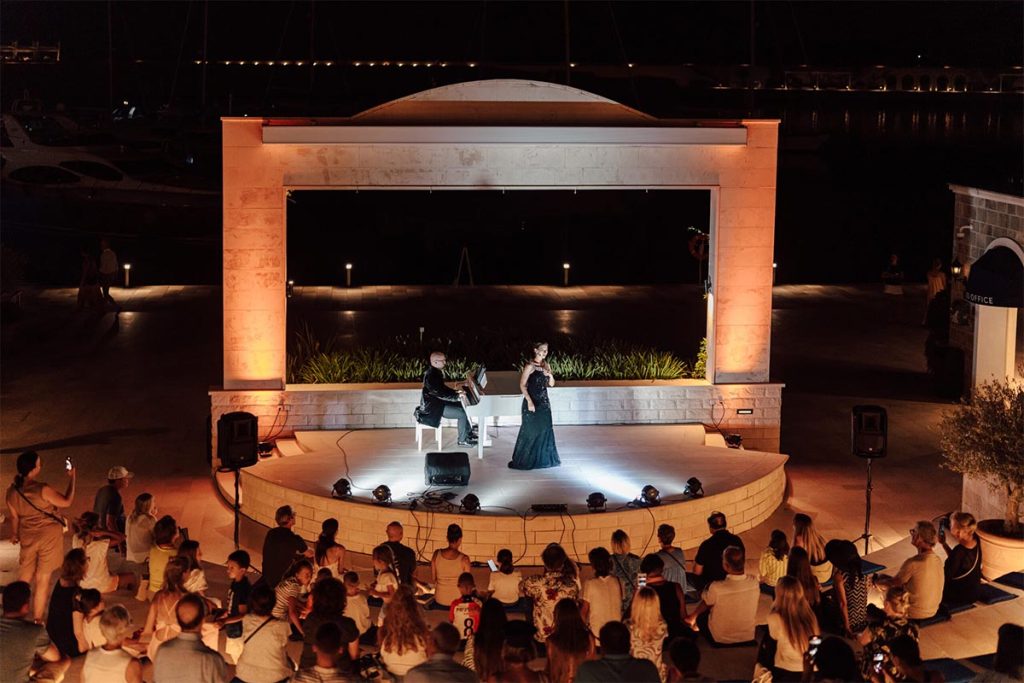
Montenegro is indeed known for its stunning coastline. There is a saying in real estate about what matters most: location, location, location. After I discovered the Kanli Kula and Forte Mare fortresses overlooking the Adriatic Sea in Herceg Novi, there was no doubt in my mind. With its rich history as a cultural centre and its long tradition of literature, theatre, music and film festivals, Herceg Novi was the perfect home for an international opera festival.
Today, after thirteen years, Herceg Novi has effectively become Montenegro’s opera town. Hosting world-renowned artists such as Joyce DiDonato for the first time in Montenegro demonstrates the level of quality and international recognition now associated with Operosa Montenegro Opera Festival.
Operosa has consistently focused on developing young talent while also attracting internationally recognised artists. Why is investing in emerging performers so important to the future of classical music?
Like any art form, opera needs to be nurtured, developed and kept relevant for future audiences. Montenegro has tremendous artistic talent, and opera productions need that talent. In the absence of a national opera house and with no possibility to study opera singing or conducting at the Music Academy in Cetinje, Operosa has made it its mission to contribute to the development of young artists in Montenegro.
The best way to achieve that is by combining Montenegrin talent, knowledge and artistry with international experience and expertise. Such cooperation contributes to capacity building in the performing arts while creating valuable international networking opportunities for everyone involved.
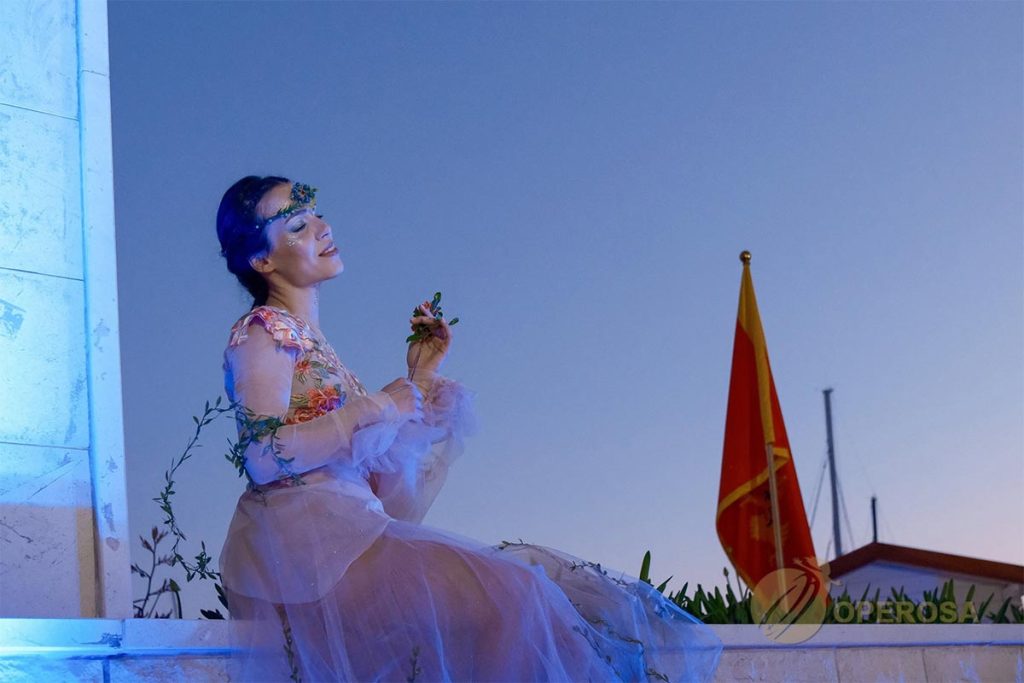
This year, in cooperation with the Music Academy in Cetinje, Operosa is launching the Operosa Summer Opera Academy. The programme will bring together opera students from music academies around the world alongside students of singing, orchestral instruments, set design and costume design from Montenegro. Working with internationally respected mentors, they will create a production of Donizetti’s L’elisir d’amore, which will be performed at the Operosa Montenegro Opera Festival before audiences from around the world.
Having young artists perform and showcase their talent also helps attract younger audiences. Investing in emerging artists is essential for securing the future of opera and building new generations of audiences both in Montenegro and beyond. Montenegro is a young and dynamic country, and the support of the Ministry of Culture remains essential for strengthening the foundations that have been built over the past thirteen years and for helping shape a modern European opera festival.
This year’s programme features acclaimed artists such as Joyce DiDonato alongside the innovative ensemble Time for Three. What made this collaboration the right choice for Operosa 2026, and what can audiences expect from it?
Joyce DiDonato is an extraordinary artist who not only excels as an opera singer but is also a passionate advocate for vocal education. She strongly shares Operosa’s commitment to supporting young opera talent, something we discovered when we first met several years ago. Since then, we have been working to make her first visit to Montenegro a reality.
During her stay, we have organised a special roundtable workshop in Herceg Novi where Joyce will meet a selected group of young singers from Montenegro and the wider region. It will be an opportunity to discuss the journey of an opera singer, how to navigate success and failure, and how to deal with the scrutiny that often comes with a professional artistic career.
It promises to be a truly inspiring encounter with one of opera’s leading figures. The collaboration with Time for Three – Nicholas Kendall, Charles Yang and Ranaan Meyer – adds another exciting dimension to the programme. Together they will perform Kevin Puts’ Pulitzer Prize-winning work Emily – No Prisoner Be. The music is both intimate and powerful, combining energy, emotion and remarkable artistry. These four performers move effortlessly across genres, creating a unique experience that audiences will not soon forget.
Joyce’s enthusiasm about visiting Montenegro for the first time is genuinely contagious, and I am convinced audiences will fall in love not only with her but also with Nicholas, Charles and Ranaan.
Across Europe, cultural institutions are competing for audiences’ attention more than ever before. How does Operosa attract younger generations who may never have attended an opera before?
Opera must evolve with its time while preserving and promoting tradition and cultural heritage. Artists such as Joyce DiDonato are excellent examples of how this can be achieved. Modern audiences connect with artists who communicate in contemporary ways.
Operosa’s mission is to support young opera talent, reach wider and younger audiences, and showcase Montenegro’s rich cultural heritage. When young artists develop, create and perform for their peers, they help build entirely new audiences.
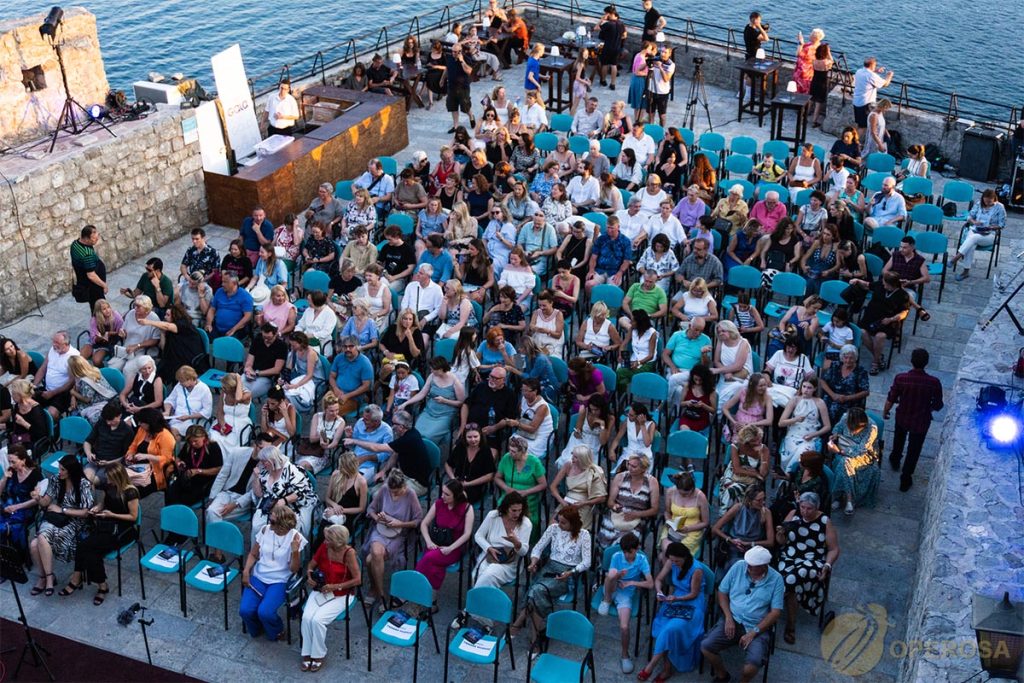
Communication is also essential. We use every available platform to spark curiosity and encourage people to experience opera for the first time. Beyond the festival itself, our touring productions bring opera to towns across Montenegro, reaching audiences who might not otherwise have the opportunity to experience it. The response has consistently demonstrated strong interest and demand for more.
Once people discover opera, our goal is to welcome them back again and again.
Montenegro has invested heavily in positioning itself as a high-quality tourism destination. What role can cultural events like Operosa play in shaping the country’s international image beyond traditional summer tourism?
For more than a decade, Operosa has collaborated with some of Montenegro’s most important tourism and hospitality partners. These organisations understand the importance of integrating culture into the visitor experience, which is why they continue to support the Operosa Montenegro Opera Festival.
Cultural tourism is a global phenomenon, and opera is one of its most important components. Around the world, opera lovers plan their holidays around festivals and performances. We work with travel agencies specialising in opera tourism and welcome visitors from many different countries who specifically choose Montenegro because of the unique combination of world-class opera and extraordinary locations that Operosa offers in Herceg Novi.
The continued support of the Ministry of Tourism and the Tourism Organisation of Herceg Novi is an important part of expanding our reach and developing cultural tourism in Montenegro.
Operosa combines artistic excellence, education and international cooperation. In your view, what does the festival contribute to regional cultural connectivity in the Adria region and Southeast Europe?
As one of the few countries in Europe without a national opera house, Montenegro nevertheless has a strong historical connection to opera. Operosa is proud to have contributed to the development of that tradition over the past thirteen years.
We have established relationships with leading opera institutions across Europe and beyond, while also developing strong educational partnerships throughout the region. The Operosa Summer Opera Academy is becoming an important platform for cooperation between music academies, students and industry professionals. We believe this will lead to even greater exchanges of programmes, artists and productions in the future.
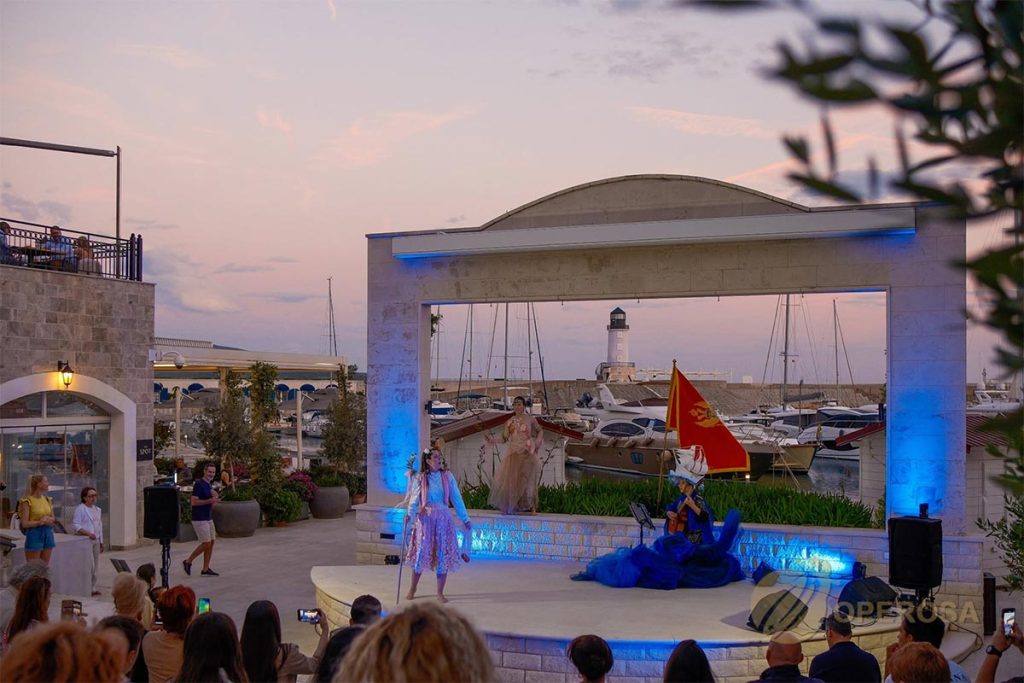
Regional cooperation is extremely important to us. This year we are particularly pleased to welcome guests from the Music & More Festival in Trebinje for the first time. We are also celebrating the twentieth anniversary of Montenegro’s independence with our most ambitious programme to date.
Productions such as Balkanska Carica and Tales of Montenegro, which bring together artists from Montenegro and the wider region, demonstrate how culture can strengthen regional ties while showcasing the richness of Montenegrin heritage.
You have worked as both an opera performer and a cultural entrepreneur. What have been the biggest leadership lessons from building an independent festival that has survived and evolved for two decades?
You need a strong vision and a great deal of passion to start a major project, but it is perseverance that carries it forward.
Time itself becomes a form of validation. Looking back and recognising the effort required to build something meaningful is important and empowering. There will always be difficult moments, but you cannot allow them to stop you from moving towards your goal.
Be pragmatic and be prepared to compromise when necessary. Sometimes the path turns out to be longer than expected, but that does not mean the destination is unattainable.
I have been fortunate to meet remarkable people who have offered guidance, commitment and support throughout this journey. The Operosa team has always been an essential part of our success. Amazing things happen when people are allowed to do what they are truly good at, and I feel incredibly fortunate to have such people around me.
When you look ahead to the next decade, what is your ambition for Operosa? Do you see it primarily as a festival, an educational platform, or something even broader for the future of opera and cultural exchange in the region?
From the very beginning, the ambition of Operosa has been to be recognised as a festival of national importance in Montenegro.
Thanks to our long-standing cooperation with the Municipality of Herceg Novi, Herceg Fest and the Tourism Organisation of Herceg Novi, Operosa has already become a cultural institution of importance for the city. It remains the only organisation in Montenegro dedicated exclusively to opera and has delivered a continuous annual opera festival programme for more than thirteen years.
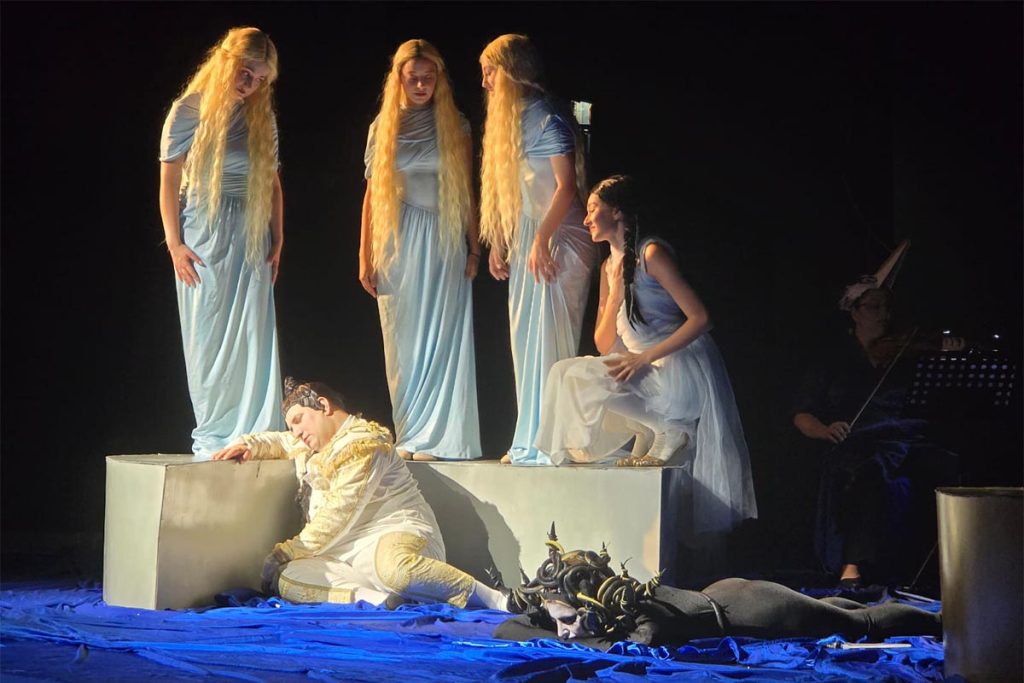
During that time, Operosa has helped bring more than €1.5 million to support the development of opera in Montenegro. We have promoted and supported young Montenegrin and regional artists, connected them with European opera houses and institutions, and strengthened local expertise through international cooperation.
Our partnership with the Music Academy in Cetinje continues to expand, creating new opportunities for capacity building and artistic development. Opportunities for opera artists in Montenegro are becoming increasingly exciting.
Looking ahead, the mission remains unchanged: to serve as a dedicated platform that showcases opera made in Montenegro to the world.