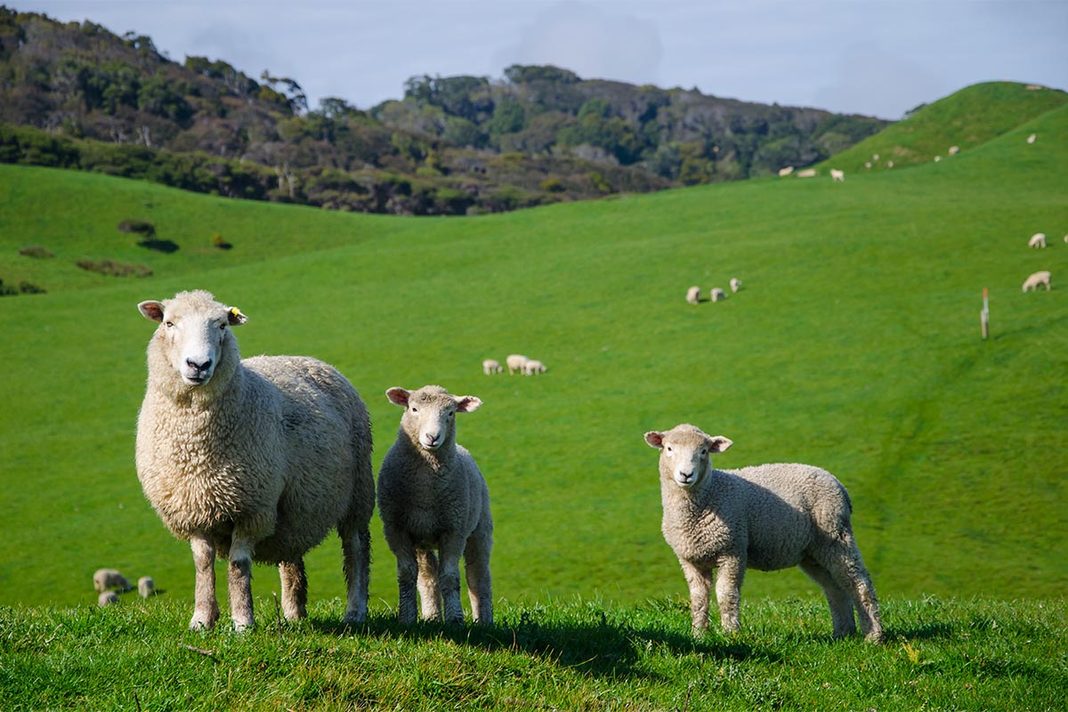
Shearing one sheep currently costs between 400 and 450 dinars, while wool is worth only around 35 dinars per kilogram. With farmers often unable to find buyers, the wool is frequently discarded, turning what was once a valuable agricultural product into waste. Sheep farming has traditionally provided rural households with several sources of income, including meat, milk, cheese and wool, but the latter has largely lost its economic value.
Wool has uses in both the textile and construction industries, including as an effective insulation material, yet Serbia imports products that could potentially be made from its own wool. However, discarded wool can end up in landfills or in nature, including near rivers and streams, creating an additional environmental problem.
The situation contrasts with practices in some European countries, where wool is increasingly used for insulation, fertiliser and other products rather than being thrown away. England and Scandinavian countries are examples of markets where wool is treated as a resource and sheep farming is supported by a broader network of processing and production.
For Serbian farmers, however, the lack of processing and reliable buyers makes wool difficult to monetise. Without stronger links between livestock production, processing and the market, Serbia risks continuing to discard a resource that other European producers have found ways to turn into a source of income.