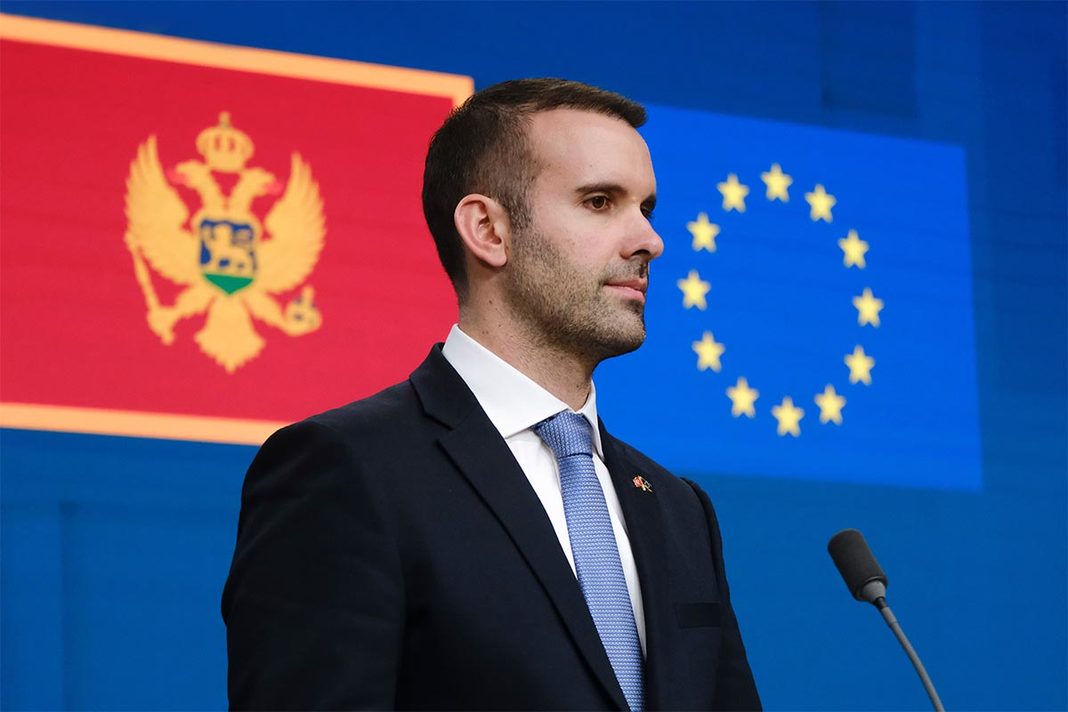
Dubbed the “Euro Model,” the programme is scheduled to take effect in January 2027 and envisages minimum salaries of €1,000 for positions requiring primary or lower-level education, €1,250 for jobs requiring secondary education and €1,400 for positions requiring higher education. The government has adopted a package of legislation intended to enable the new wage calculation system.
Spajić has presented the measure not only as a wage policy but also as part of a broader effort to address the potential demographic consequences of EU accession. In announcing the model, he argued that Montenegro’s people are its most important resource and warned that some countries experienced significant population losses after joining the EU. He said Montenegro should ensure that the benefits of European integration do not result in a large-scale exodus of its own population.
The concern is linked to one of the EU’s fundamental principles: the free movement of people and workers. The EU single market is built around four freedoms — the movement of goods, services, people and capital — while EU rules on the free movement of workers allow citizens of member states to work in other member states under defined conditions. Montenegro is already aligning its legislation with the EU acquis in this area as part of its accession negotiations.
This means that EU membership could create significantly greater opportunities for Montenegrin citizens to seek employment elsewhere in the bloc.
For a small country with a population of around 620,000, the government sees the possibility of labour mobility as both an opportunity and a potential challenge: higher wages and improved economic conditions at home could make it less attractive for workers, particularly younger people, to permanently relocate abroad.
The issue is particularly relevant given Montenegro’s ongoing accession process. The government has repeatedly set an ambitious target of completing its negotiations by the end of 2026 and being ready for EU membership in 2028. At the same time, Podgorica is working to close negotiating chapters related to the internal market, including the free movement of workers.
The “Euro Model” therefore represents an attempt to address one of the less visible challenges of European integration: ensuring that greater freedom to move across Europe is accompanied by stronger reasons to build a career and family at home. Whether higher wages will be sufficient to prevent population outflows remains an open question, as decisions to emigrate are influenced not only by salaries but also by employment opportunities, public services, housing, education and overall quality of life.
At the same time, the government’s proposal has prompted questions from employers about its implementation and the impact of higher labour costs. The Union of Employers of Montenegro has already met with Spajić to discuss how the model should be introduced, with the prime minister saying that the government and employers had agreed on steps towards its implementation.