
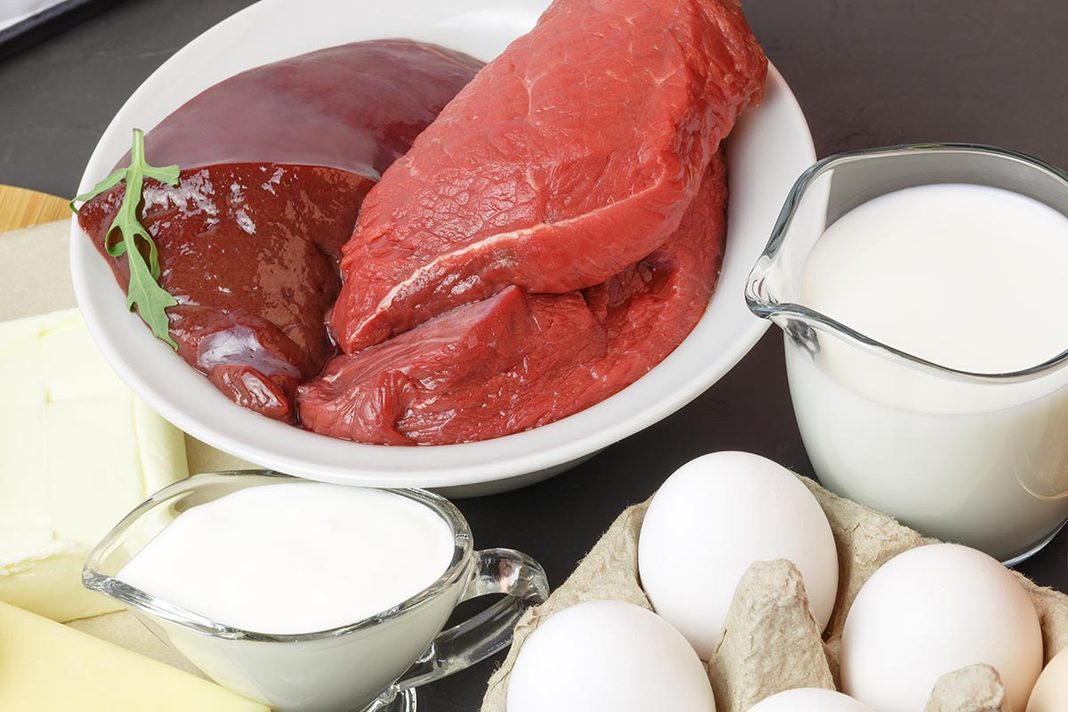
The number of pigs fell by more than 30% between agricultural censuses, while cattle numbers dropped by almost 18%, raising concerns about the long-term sustainability of domestic food production.
Farmers say low purchasing prices, delayed subsidies and unpredictable government support are making it increasingly difficult to maintain production. Milk producers, in particular, face a significant gap between the price they receive and their production costs. According to agricultural experts, some farmers receive around 30 dinars per litre of milk, while production costs can reach 50 dinars, leaving many operating at a loss.
The growing presence of imported products has added to concerns among domestic producers. Farmers and industry representatives argue that uncontrolled imports and competition from cheaper products put additional pressure on local farms.
Experts have called for more effective market oversight, fairer purchasing prices and consistent support measures, while also stressing that rebuilding livestock production will require long-term investment rather than short-term interventions.
Agricultural specialists also emphasise the need to strengthen cooperation between farmers, dairies and meat-processing companies. Better organised cooperatives, improved breeding programmes and investment in collection centres, refrigeration and storage facilities could help producers become more competitive.
Although Serbia has the resources and expertise to develop its livestock sector, experts warn that reversing the decline will take time, stable policies and closer coordination across the agricultural supply chain.