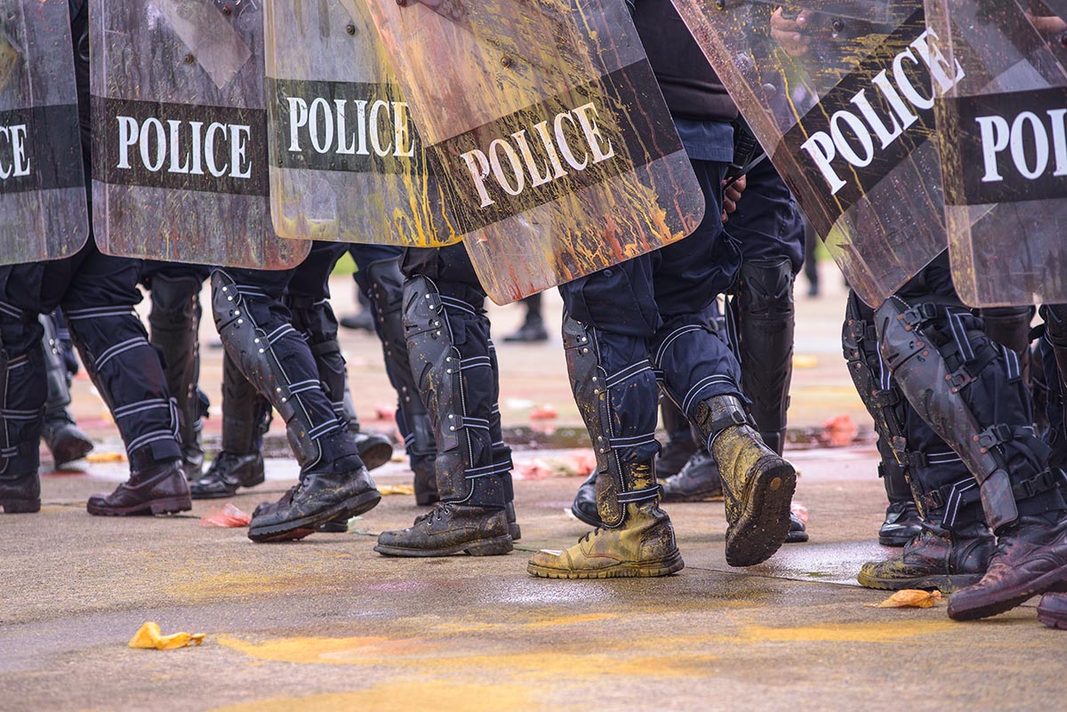
Anti-government demonstrations in Albania have escalated into violent clashes between protesters and police, spreading from the capital, Tirana, to several other cities. Government buildings and private businesses have been attacked, while police have responded with tear gas, water cannon and batons.
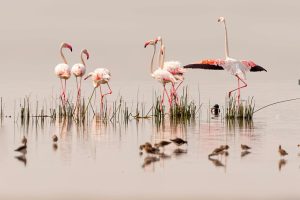
The latest unrest follows months of demonstrations by the so-called Flamingo movement, which began in opposition to a proposed luxury tourism development on Albania’s Adriatic coast linked to Jared Kushner, US President Donald Trump’s son-in-law. Protesters argue that the project threatens environmentally sensitive coastal areas and flamingo habitats near Vlorë. Over time, the movement’s demands have broadened to include Rama’s resignation, amid growing public anger over alleged corruption, economic pressures and the government’s response to citizens’ concerns.
The protests intensified after students and secondary-school pupils joined the demonstrations, raising concerns about university fees, the cost of books, inadequate financial support and limited employment prospects after graduation. Clashes in Tirana included attacks on government institutions, fires and damage to nearby businesses. Demonstrations have also spread to cities including Durrës, Shkodër, Lezhë, Vlorë, Gjirokastër and Korçë. The European Union has expressed concern over the escalation and called for de-escalation, while also urging investigations into allegations of excessive police force against protesters and journalists.
Edi Rama has rejected calls to resign, while the government has condemned the violence and maintained that attacks on public institutions and police cannot be justified by the right to protest. The prime minister faces mounting pressure as the demonstrations combine student grievances with broader dissatisfaction over corruption allegations and controversial development plans. The unrest represents a significant challenge for Albania, which is pursuing membership of the European Union, and has drawn renewed attention to public trust in the country’s institutions.