For decades, Albania’s energy story was largely written by its rivers. Hydropower supplied the overwhelming majority of the country’s electricity, making the energy system both remarkably green and highly vulnerable to changing weather conditions.
Today, a new chapter is unfolding.
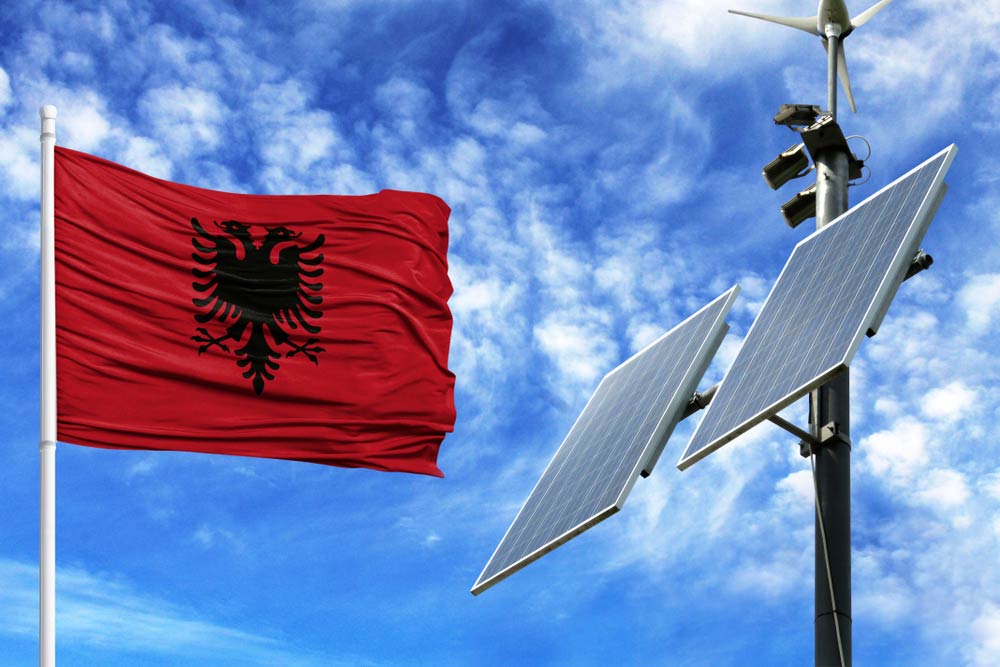
Fresh data from Albania’s Institute of Statistics (INSTAT) show that photovoltaic power generation reached 254 GWh during the first quarter of 2026, a 44% increase compared with the same period last year. The figures highlight not only the rapid growth of solar energy but also a broader transformation that is beginning to reshape the country’s economic and energy landscape.
Just a few years ago, solar power played only a marginal role in Albania’s electricity mix. Since then, the sector has expanded at an extraordinary pace. The number of photovoltaic plants has risen from just 10 in 2020 to 53 in 2025, while installed capacity has surged from 21 MW to 631 MW.
More than €2 billion has been invested in renewable energy projects, helping create one of the fastest-growing solar markets in the Adria region.
The shift is significant for a country that has historically depended almost entirely on hydropower. While dams remain the backbone of Albania’s energy system, solar is increasingly providing diversification, reducing exposure to drought-related risks and strengthening long-term energy security
Industry observers see the development as part of a wider trend across Southeast Europe, where governments and investors are accelerating renewable energy projects in response to growing electricity demand, energy security concerns and EU climate objectives.
Albania is also preparing for the next stage of market development. Beginning on 1 January 2027, the country will replace its net metering framework with a net billing model, aligning its regulations more closely with European energy market standards. The new system is expected to encourage more efficient energy consumption, improve transparency and provide greater predictability for investors.
If current trends continue, the implications could extend far beyond the solar sector itself.
Industry projections suggest solar energy could cover around a quarter of Albania’s current electricity consumption by 2030. Combined with planned wind projects, renewable sources could eventually supply close to half of national electricity demand.
Such a shift would represent one of the most significant energy transitions currently underway in the region.
A decade ago, Albania’s renewable energy ambitions were largely associated with rivers and hydropower plants. Today, solar panels are becoming an increasingly visible part of the landscape — and potentially one of the defining economic stories of the decade.