Albania’s Inflation Outpaces EU Average In February

Rising prices driven mainly by food and leisure sectors

Albania recorded an annual inflation rate of 2.5% in February 2026, measured by the Harmonised Index of Consumer Prices (HICP), exceeding the European Union average of 2.1%, according to official data.

The increase marks a slight monthly rise, with consumer prices growing by 0.5%. The highest annual jump was seen in the “entertainment, sports and culture” category, while “food and non-alcoholic beverages” had the biggest overall impact on inflation due to their significant share in household spending.

Compared to other European countries, Albania remains around the average level but above major economies such as Germany, France and Italy. Inflation was higher in countries like Romania and Iceland, while the lowest price growth was recorded in Denmark and Switzerland.

Have a news tip or story to share? Email us at info@connectingregion.com

Employment in North Macedonia’s Industrial Sector Falls 2.9% in September

The number of employees in North Macedonia’s industrial sector declined by 2.9% in September 2026 compared with the same...

Humanoid Robots Made in Serbia

Chinese manufacturers Minth and AGIBOT have launched humanoid robot production in Šabac, opening a new chapter for Serbia's industrial...

Croatian Self-Driving Cars Take to British Roads

From Zagreb to Manchester, Croatian mobility company Verne is helping bring autonomous taxis to European streets, challenging the assumption...

Adria’s Invisible Global Footprint

From the technology behind global communications to medicines, automotive engineering and digital worlds, the seven countries of Adria have...

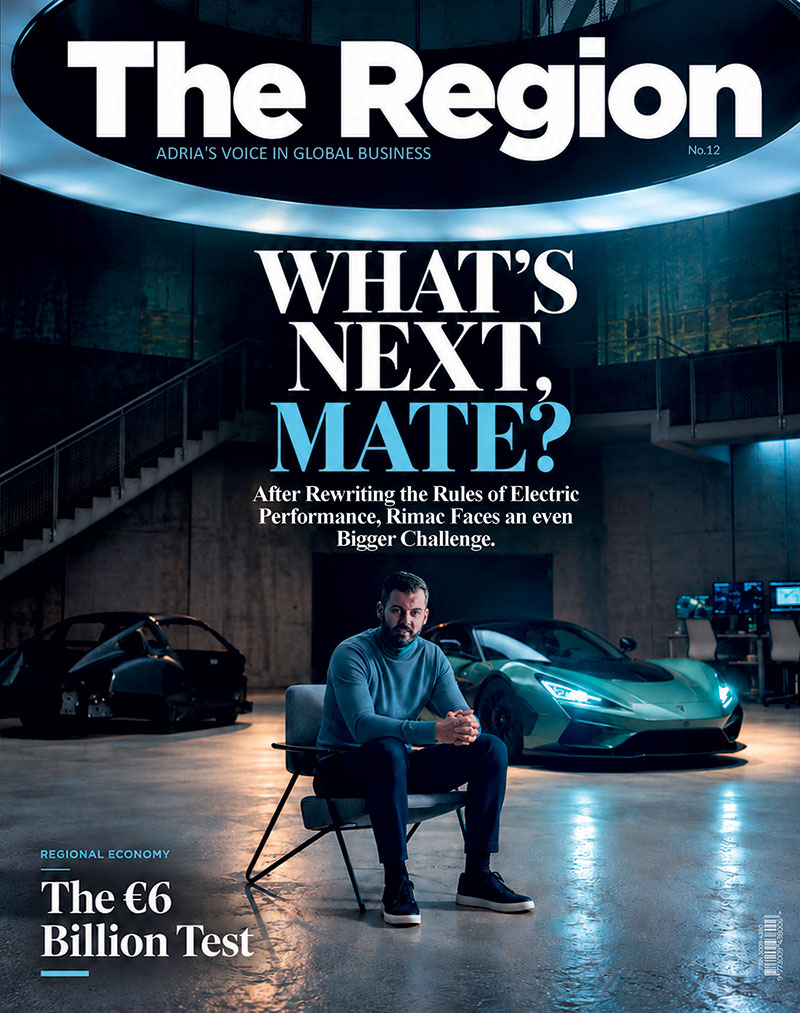
The Next Test for Mate Rimac

The Croatian entrepreneur built a global reputation by challenging the automotive establishment. Now, with Porsche departing, BMW adopting his...
spot_img

Connecting the Adria Region Decision Makers

The Region is more than a publication - it's where the region's elite converge for insights and opportunities