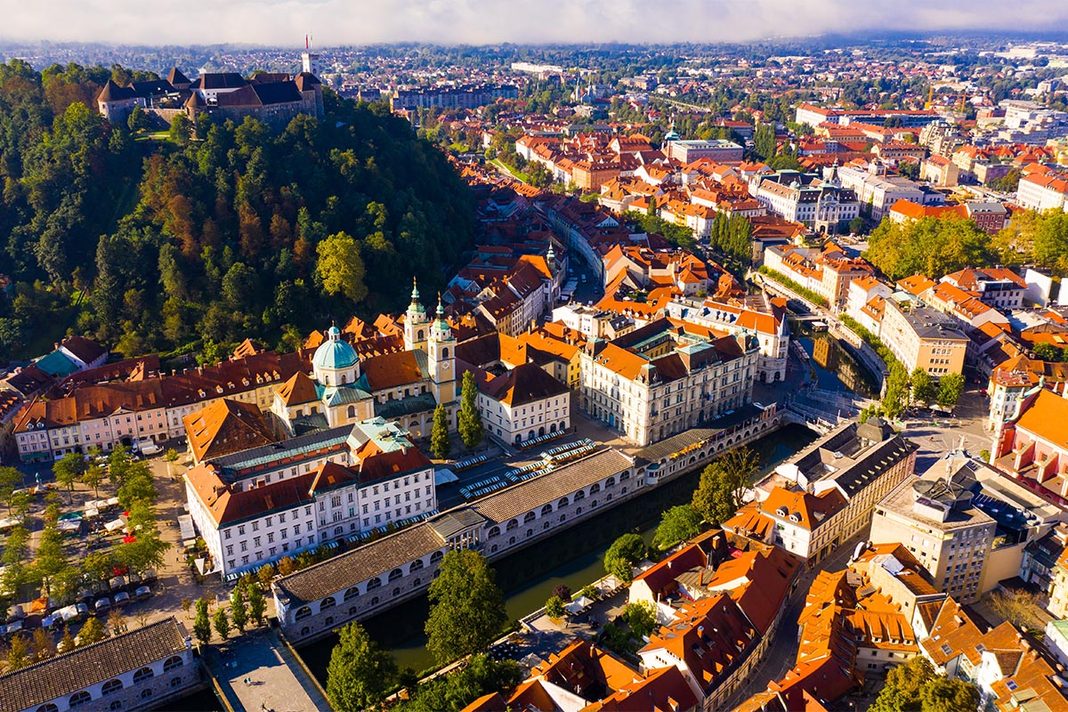
The Slovenian capital won in the category for destinations with more than 100,000 inhabitants, while Calvià, a resort town on the island of Mallorca, received the award for destinations with between 25,000 and 100,000 residents. A total of 83 destinations from 24 countries entered the competition.
The jury praised Ljubljana for its commitment to knowledge sharing, continuous learning and initiatives that place local residents at the centre of tourism development. It particularly highlighted the city’s approach to visitor data management, noting that the use of digital tools can help destinations innovate, manage growth responsibly and strengthen their appeal throughout the year. Ljubljana also received recognition for its performance in accessible, sustainable, digital and cultural tourism.
The European Commission said both winning destinations demonstrated strong alignment with its recently adopted Sustainable Tourism Strategy, which aims to improve the competitiveness, sustainability and resilience of Europe’s tourism sector. European Commissioner for Sustainable Transport and Tourism Apostolos Tzitzikostas congratulated the winners, saying the recognition highlighted their ability to develop tourism that benefits businesses, visitors and local communities, while providing examples for other European destinations.
Ljubljana’s city administration said the award recognised a range of measures designed to address the challenges of modern urban tourism and reduce its environmental impact. One example is Ljubljana Flows, a digital platform developed by Tourism Ljubljana that brings together data on visitor numbers, accommodation and other factors influencing tourist movements. Mayor Zoran Janković said the city would now focus on encouraging visitors to stay longer, making use of Ljubljana’s strategic position as a starting point for exploring the rest of Slovenia.
The recognition comes at a time when tourism management has become a prominent issue in Ljubljana’s local political debate. The city welcomes more than one million tourists annually and accounts for nearly a fifth of all tourist overnight stays in Slovenia. However, concerns about overtourism, pressure on public infrastructure and increasingly unaffordable housing have featured prominently in discussions about the sector’s future.
While Janković has supported maintaining tourism activity at its current level, his opponent in the mayoral run-off, Luka Mesec, has advocated moving away from mass tourism towards higher-value services. The award therefore highlights both Ljubljana’s achievements in sustainable tourism and the challenges it faces in balancing visitor growth with the needs of its residents.