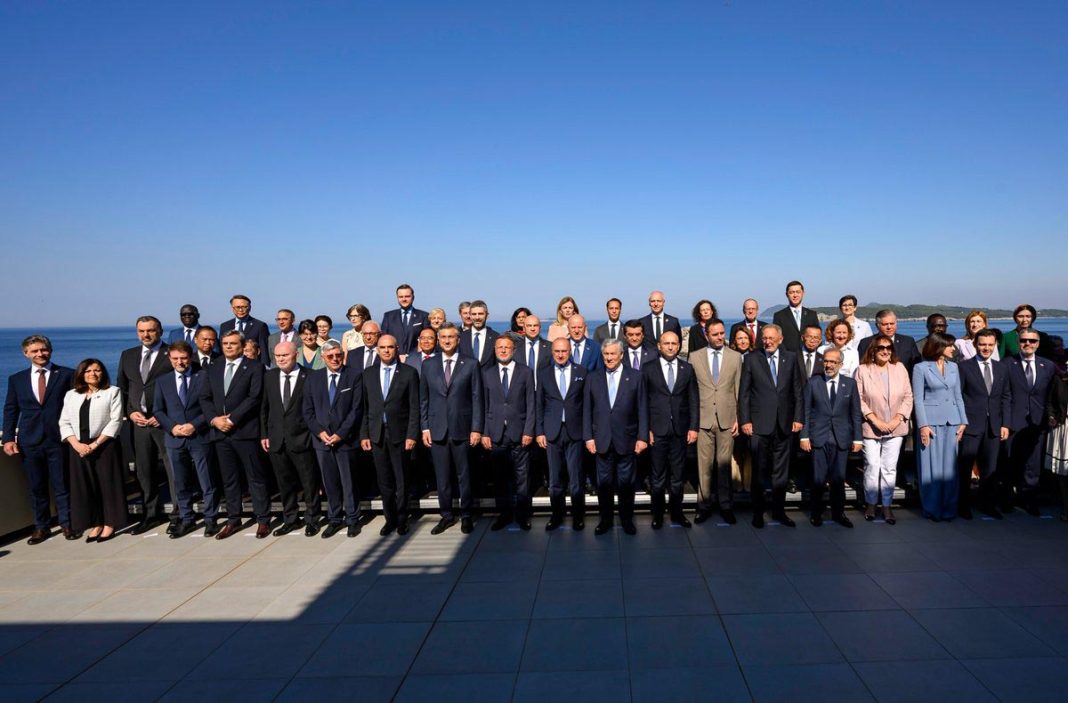
Speaking at the 19th Dubrovnik Forum, Croatian Prime Minister Andrej Plenković said the changing geopolitical landscape requires Europe to reinforce its competitiveness, resilience and unity. Addressing the panel “The Age of Multipolarity: Navigating New Realities,” he pointed to growing geopolitical competition, trade tensions and pressures on the global economy as key challenges facing the international order.
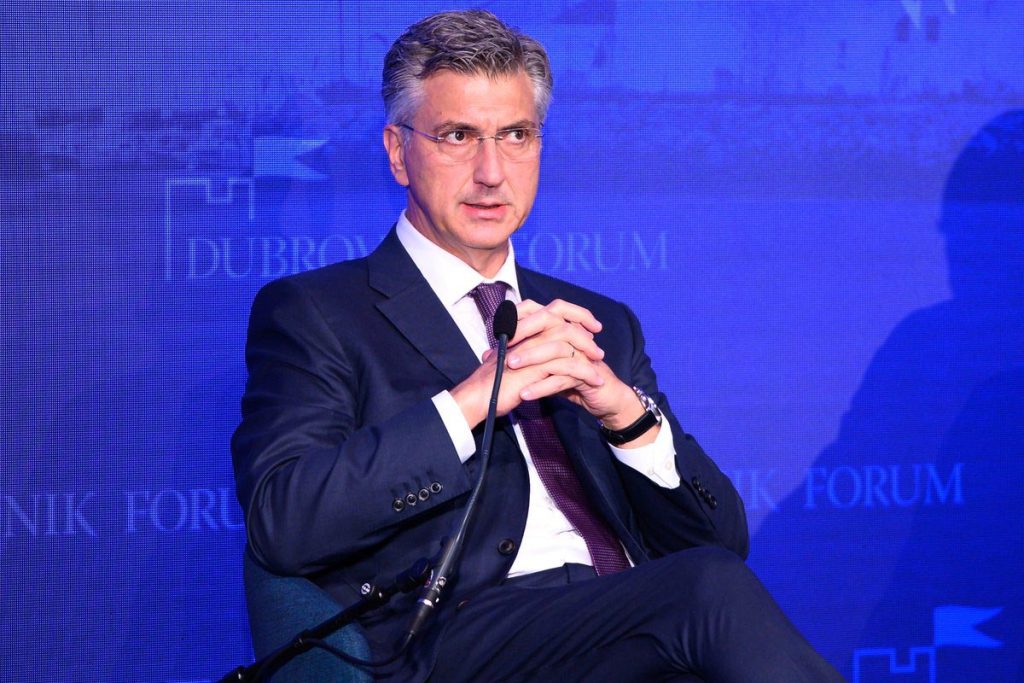
Plenković described Russia’s invasion of Ukraine as a turning point that has reshaped Europe’s security architecture, stressing the need for stronger defence capabilities. He noted that Croatia has already reached NATO’s target of allocating 2% of GDP to defence and plans to continue increasing military spending through 2030 while maintaining stable economic growth and sound public finances. He also highlighted the importance of strengthening Europe’s defence industry, adding that Croatian companies are increasingly establishing themselves in the field of advanced defence technologies.

The forum also brought together senior officials from across the Western Balkans to discuss the region’s European future. Serbian State Secretary Nevena Jovanović participated in the panel “The European Union and the Western Balkans: Jointly Addressing Outstanding Issues,” where she reaffirmed Serbia’s commitment to regional cooperation and the EU integration process, stressing that dialogue, mutual trust and practical cooperation remain essential for long-term stability and prosperity.
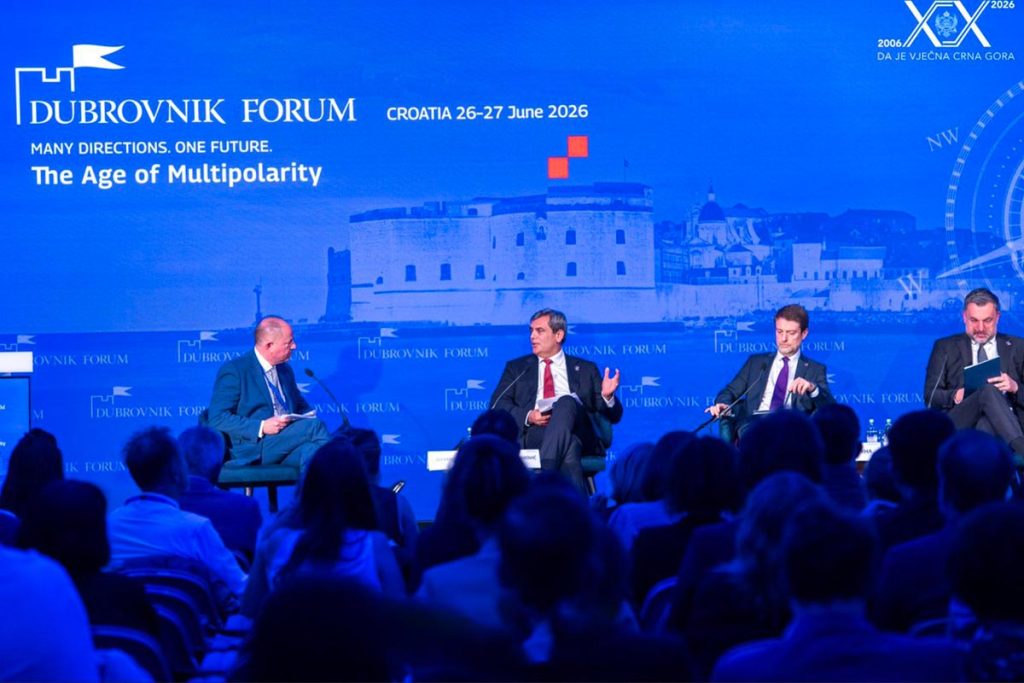
Montenegrin Deputy Prime Minister and Foreign Minister Ervin Ibrahimović joined the panel “The Age of Multipolarity: Many Directions, One Future,” alongside regional foreign ministers and European officials. He reiterated that Montenegro’s top foreign policy priority is to complete EU accession negotiations and become the next EU member state by 2028. Ibrahimović also highlighted the momentum generated by the recent EU-Western Balkans Summit in Tivat, saying it had reinforced support for enlargement and confirmed Montenegro’s position as the most advanced candidate country in the accession process.
Concluding the discussions, participants agreed that strengthening Europe’s resilience-from defence and energy security to democratic institutions and economic competitiveness-must go hand in hand with maintaining a credible enlargement policy, which they described as vital for the long-term stability of both the European Union and the Western Balkans.