
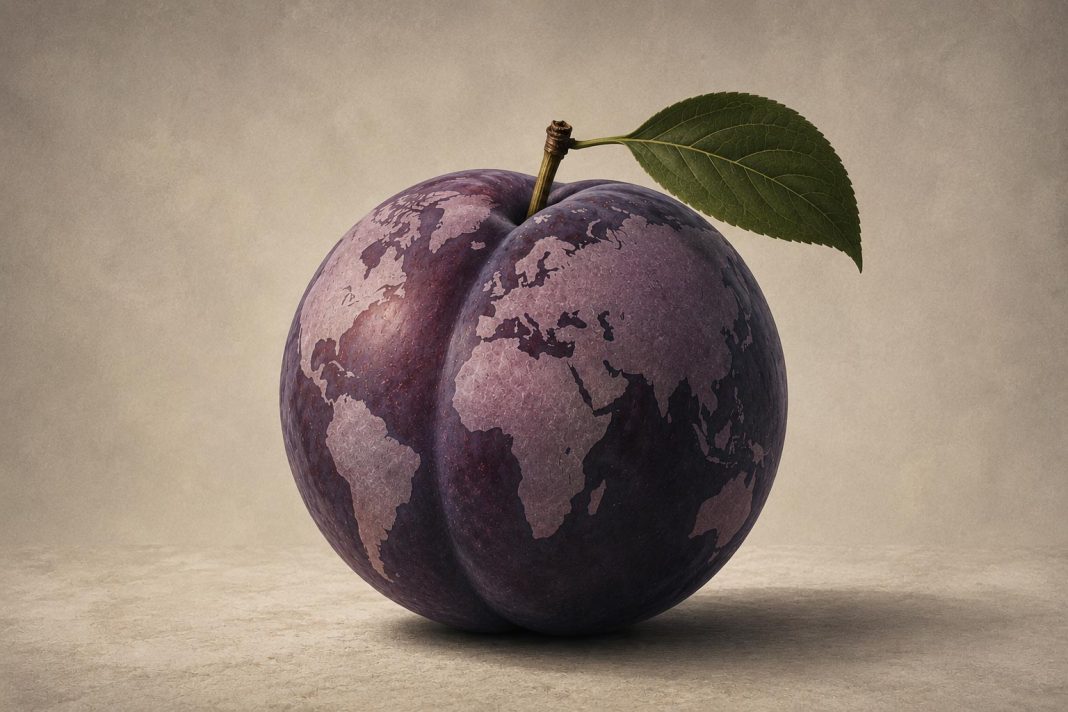
In bars, family homes and restaurants across Southeast Europe, rakija needs little introduction.
For generations, the fruit brandy has been part of celebrations, business meetings, weddings and family gatherings. It is one of the region’s most recognisable traditions, deeply woven into everyday life from Serbia and Croatia to Bosnia and Herzegovina, Montenegro and North Macedonia.
Yet outside the Balkans, rakija remains surprisingly unknown.
That presents an intriguing question. At a time when consumers are embracing authentic products with strong cultural identities, why has rakija not followed the global success stories of tequila, sake or Irish whiskey?
The numbers suggest the spirit is already travelling.
Croatia remains the largest market for Serbian rakija exports, importing significantly more than any other country. Bosnia and Herzegovina and Montenegro also rank among the leading buyers, reflecting the drink’s deep roots across the region. Germany has also emerged as an important destination, supported in part by large diaspora communities that continue to maintain strong cultural ties to their countries of origin.
More surprising, however, is the growing list of markets appearing beyond Europe’s borders.
China, Australia, Canada and the United States have all imported Serbian rakija in recent years. While volumes remain modest compared with neighbouring countries, their significance lies elsewhere. They suggest that rakija is beginning to attract consumers with no personal connection to the Balkans.
That is precisely how many global drinks success stories began.
Tequila was once seen primarily as a Mexican product. Sake was largely confined to Japan. Today, both are recognised worldwide, supported by strong branding, tourism and premium positioning.
Rakija possesses many of the same ingredients.
It has centuries of tradition, a rich variety of styles and a clear connection to place. Whether distilled from plums, quinces, pears, apricots or grapes, each bottle reflects local landscapes, family traditions and generations of craftsmanship.
The challenge has never been authenticity.
The challenge has been visibility.
Unlike tequila or Scotch whisky, rakija does not benefit from a single internationally recognised identity. Different countries produce their own versions, often under different names and standards, while producers remain fragmented and relatively small compared with global spirits giants. As a result, international consumers frequently discover rakija by chance rather than through coordinated promotion.
That may be beginning to change.
Across the region, distilleries are investing in quality, packaging and premium branding. Tourism is introducing visitors to rakija as part of a broader cultural experience, while exports continue to expand into markets that would once have seemed unlikely destinations for a traditional Balkan spirit.
For producers, the opportunity extends beyond sales.
Few products capture the character of the region as naturally as rakija. In an increasingly crowded marketplace, that sense of identity has become a valuable asset. Consumers are no longer looking only for familiar brands. They are searching for stories, origins and authenticity.
Rakija already has all three.
The question is not whether it is a regional success story. It unquestionably is.
The real question is whether the Balkans’ most iconic spirit can take the next step and become a global one.