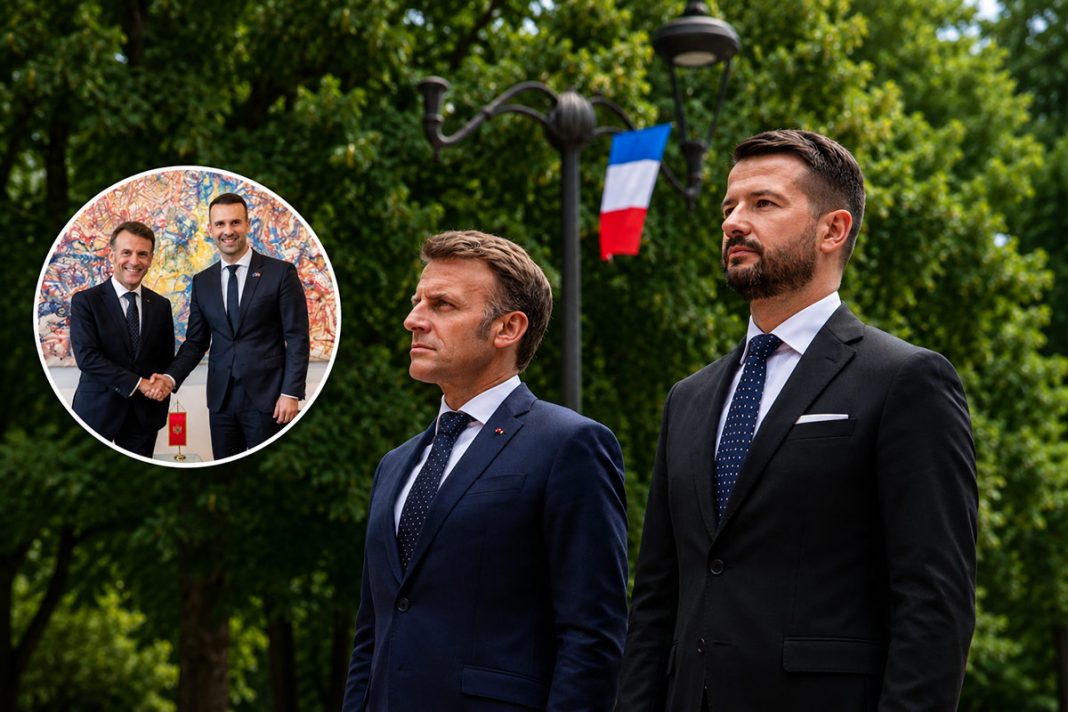
His presence underscores the growing strategic importance of the Western Balkans for the European Union and signals continued support from one of the bloc’s most influential member states for the region’s European aspirations.
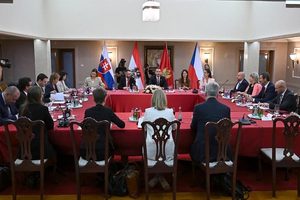
The summit brings together senior EU officials and leaders from across Europe and the Western Balkans, including European Council President António Costa, European Commission President Ursula von der Leyen, German Chancellor Friedrich Merz, Italian Prime Minister Giorgia Meloni, Polish Prime Minister Donald Tusk and Spanish Prime Minister Pedro Sánchez. Regional leaders are expected to discuss EU enlargement, economic cooperation, infrastructure connectivity, energy security and the implementation of the EU Growth Plan for the Western Balkans.
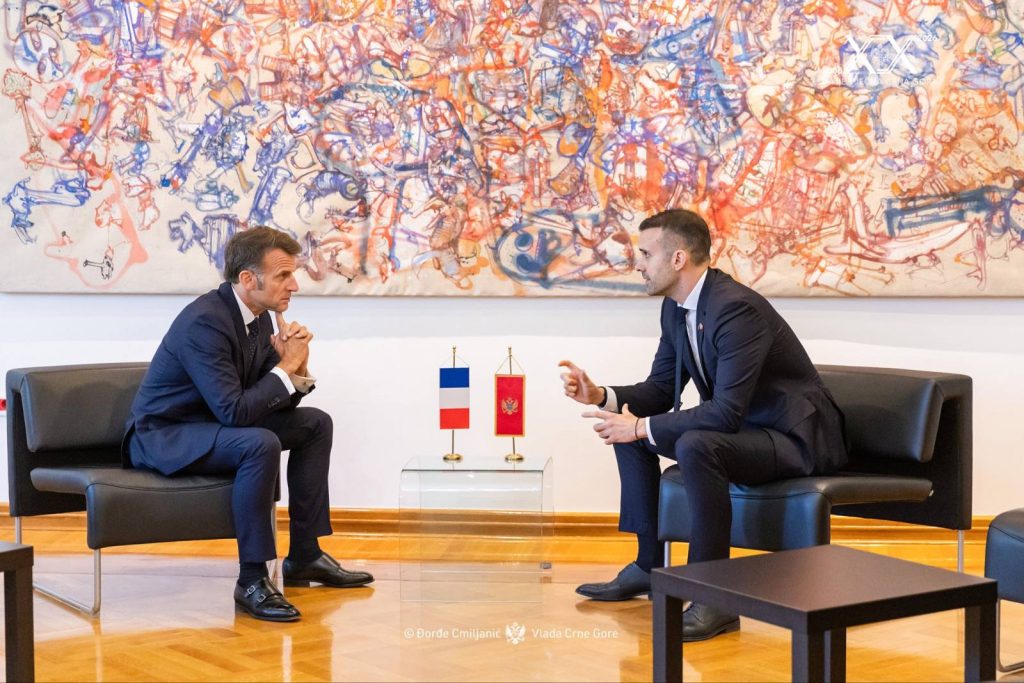
Macron is expected to take part in both plenary discussions and bilateral meetings with regional leaders. France has traditionally played a key role in shaping the European Union’s enlargement policy, making Macron’s participation particularly significant as Brussels seeks to maintain momentum behind the accession process. Discussions are also expected to focus on geopolitical challenges, regional stability and strengthening cooperation between the EU and candidate countries.
For Montenegro, hosting the summit represents a major diplomatic opportunity. The country remains the most advanced EU candidate in the Western Balkans and has repeatedly stated its ambition to become the next member of the European Union. By welcoming European leaders to Tivat, Montenegro is positioning itself at the centre of discussions about the region’s future and demonstrating its commitment to the reforms required for membership.