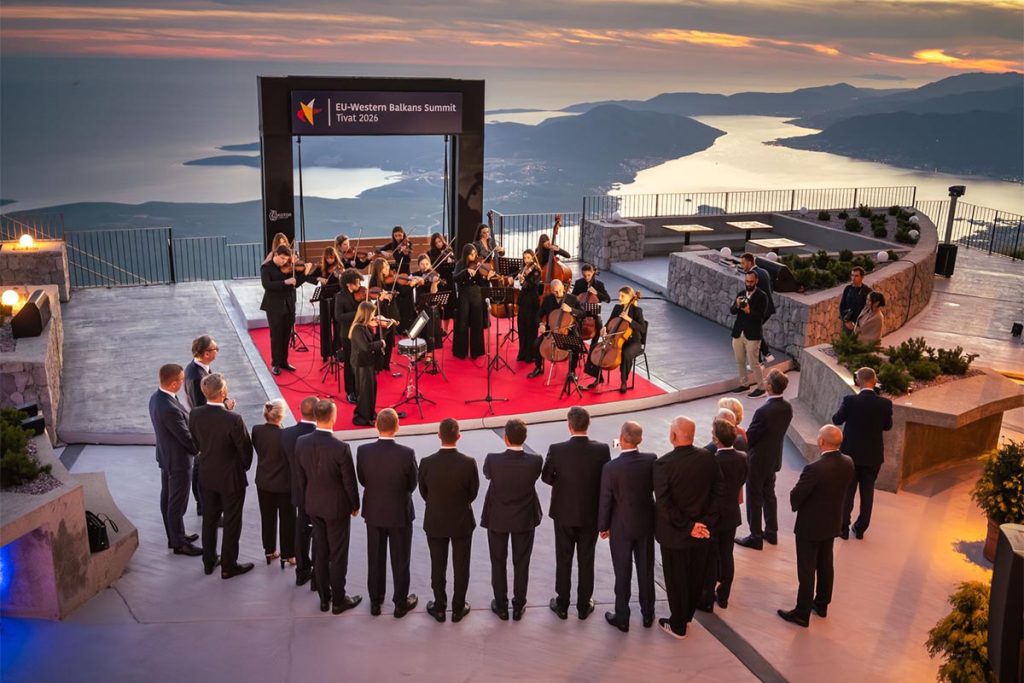
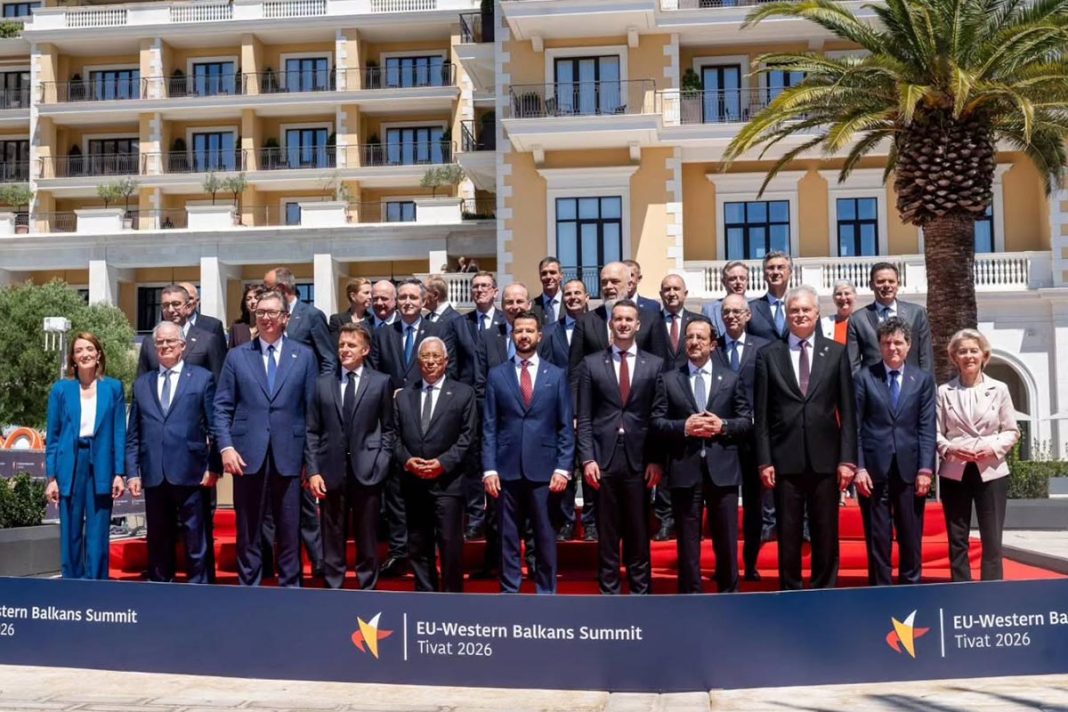
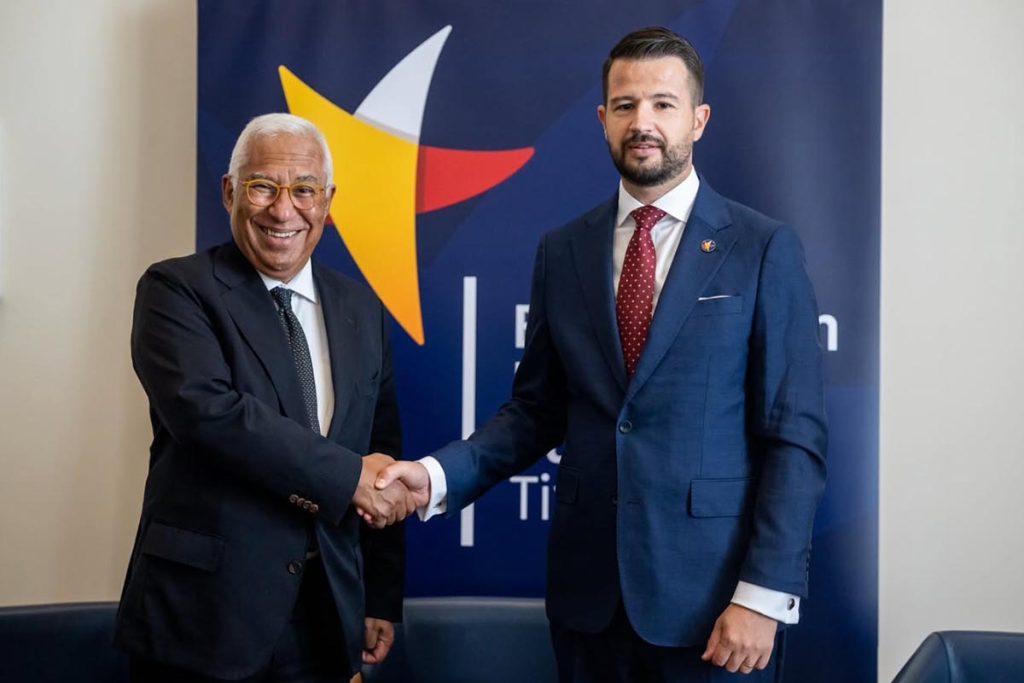
Hosted by Montenegrin President Jakov Milatović and co-chaired by European Council President António Costa, the summit welcomed some of Europe’s most influential leaders, including Ursula von der Leyen, Emmanuel Macron, Friedrich Merz, Giorgia Meloni, Pedro Sánchez, Donald Tusk and Robert Fico, alongside leaders from across the Western Balkans. The scale of participation highlighted the strategic importance that Brussels increasingly attaches to the region amid growing geopolitical competition and security concerns.
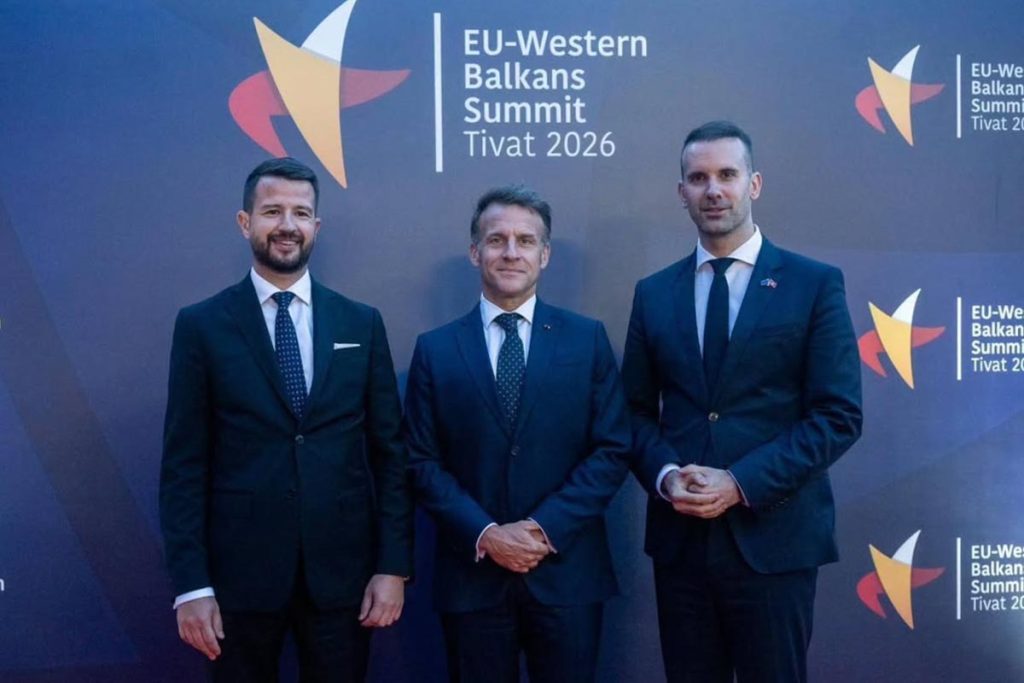
One of the most closely watched moments of the summit was the visit of French President Emmanuel Macron, who became the first French president to visit Montenegro. Throughout his stay, Macron repeatedly emphasized the friendship between France and Montenegro and reaffirmed Paris’ support for the country’s European path. His presence carried particular symbolic weight given France’s historically influential role in shaping EU enlargement policy. Together with Chancellor Merz, Macron also supported proposals aimed at allowing candidate countries to gradually participate in certain EU policies and economic structures before achieving full membership, reflecting a growing desire within the Union to accelerate integration without waiting for the completion of the lengthy accession process.
The summit’s agenda focused on enlargement, the EU Growth Plan for the Western Balkans, economic convergence, infrastructure connectivity, energy security and regional cooperation. Leaders discussed ways to bring the region closer to the EU single market, improve economic opportunities and strengthen cooperation in areas ranging from transport and energy to digital connectivity and security. European Commission President Ursula von der Leyen described enlargement as a strategic investment in Europe’s stability, prosperity and security, while António Costa stressed that the Western Balkans remain an integral part of the European Union’s future.
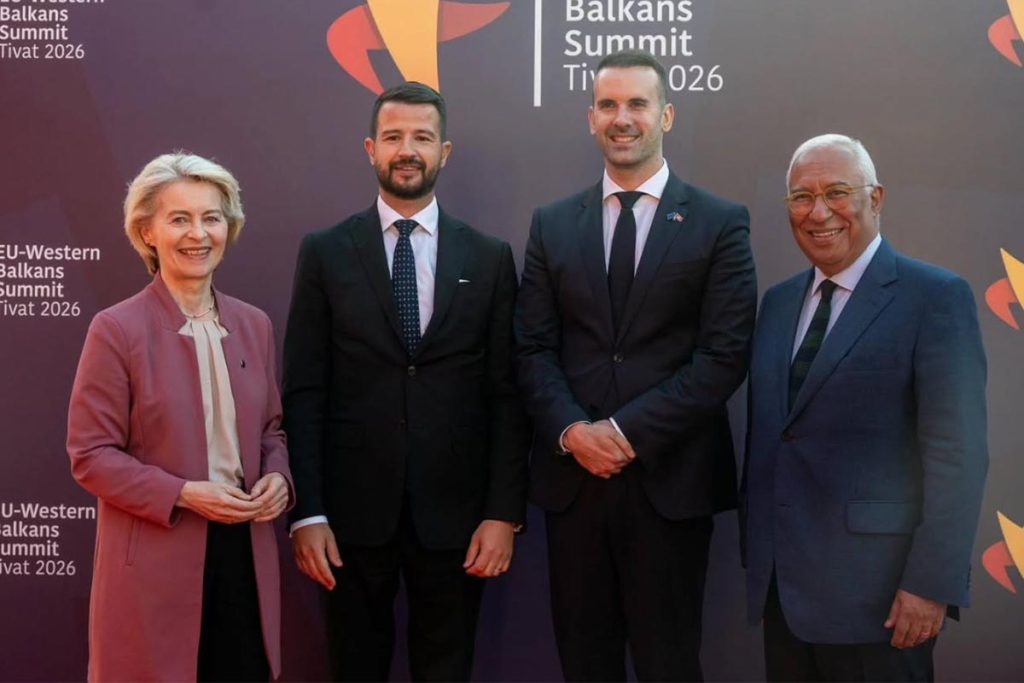
A very important outcome of the summit was signing five agreements between France and Montenegro, one of the most significant is with a French construction company Bouygues Bâtiment International for the implementation of the new University Clinical Centre of Montenegro project, marking a new development phase for one of the most significant infrastructure investments in the history of the country’s healthcare system, alongside the signing of a Memorandum of Understanding aimed at strengthening cooperation between France and Montenegro.
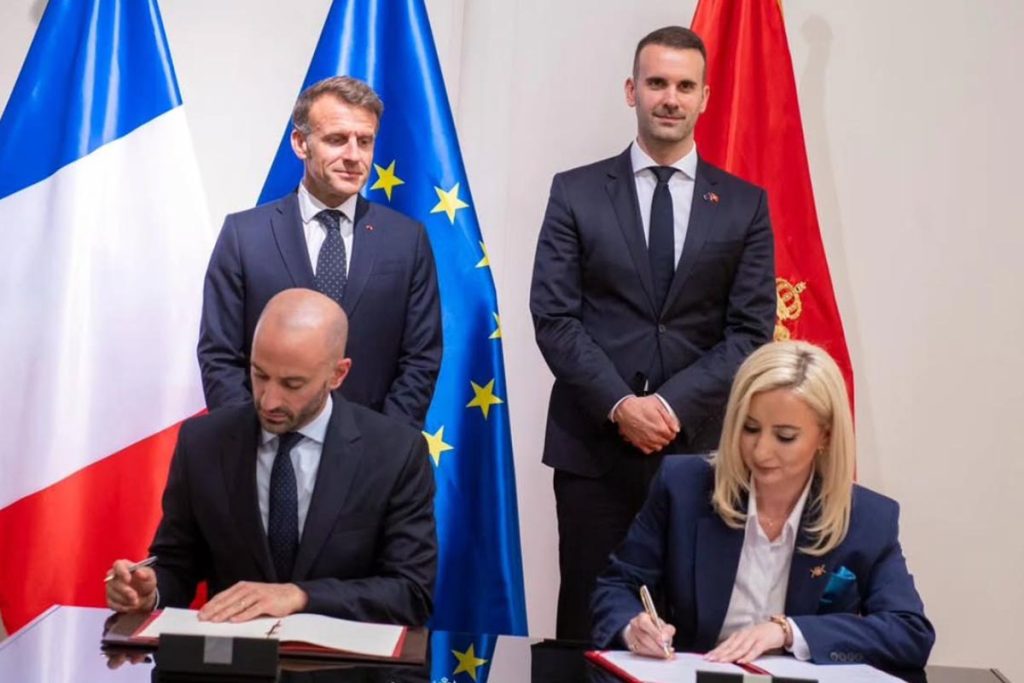
For Montenegro, the summit represented a major diplomatic success. Both President Jakov Milatović and Prime Minister Milojko Spajić used the occasion to present the country as the region’s most advanced EU candidate and to reinforce Podgorica’s ambition of joining the Union by 2028. Their message was echoed by Ursula von der Leyen, who stated that Montenegro’s membership goal is “within reach” if reform momentum is maintained. By hosting dozens of delegations and hundreds of international journalists, Montenegro not only demonstrated its diplomatic capacity but also strengthened its image as the frontrunner of the Western Balkans’ European integration process.
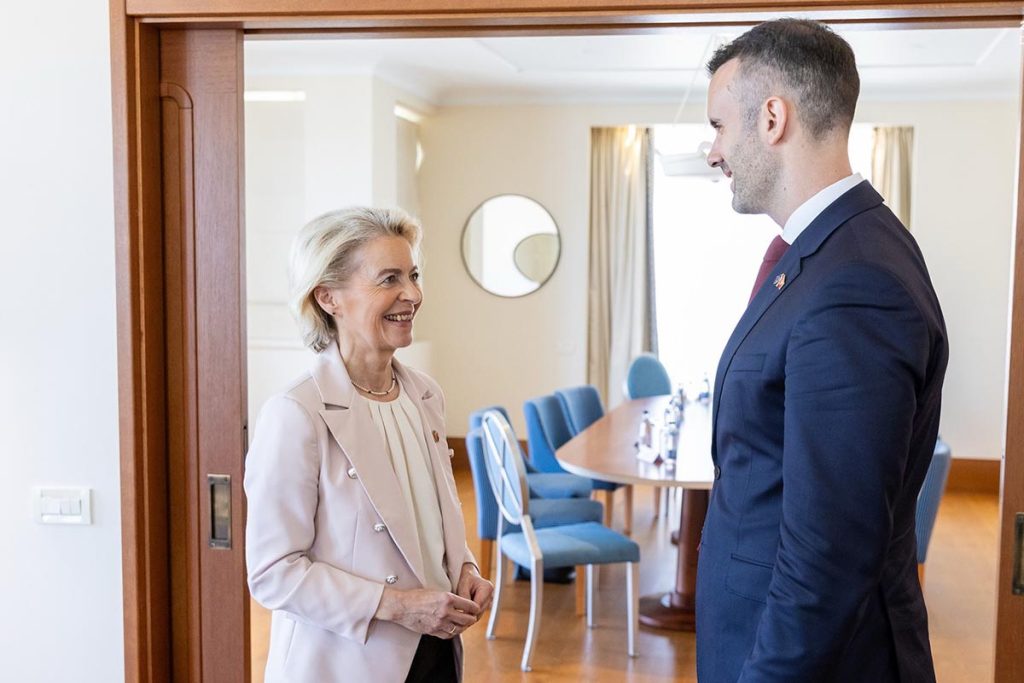
While no dramatic breakthroughs were announced, the summit delivered a clear political message: EU enlargement is once again high on the European agenda. At a time of growing geopolitical uncertainty, leaders sought to reassure the Western Balkans that their future remains firmly linked to the European Union and that the region will continue to play a central role in the continent’s long-term vision for peace, security and prosperity.