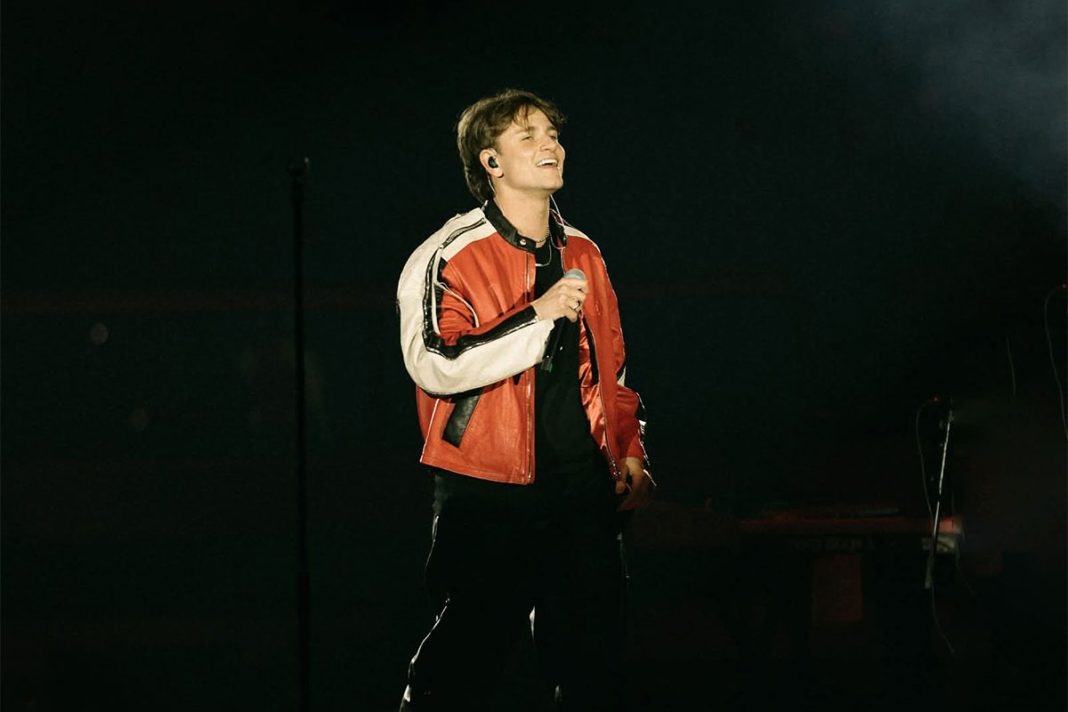
At a time when regional and global music charts are largely dominated by rap and trap sounds, often criticised for aggressive aesthetics and questionable messages aimed at younger audiences, Jakov Jozinović has emerged as something refreshingly different. Born in 2005 in Vinkovci, the young artist has rapidly gained popularity through emotional performances, powerful vocals and reinterpretations of beloved songs from across the former Yugoslavia.

Although he currently has only two original tracks – “Polje Ruža” and “Ja Volim” – audiences throughout the region increasingly describe him as a rare phenomenon on the contemporary music scene. His covers of iconic regional songs regularly attract millions of views and comments from listeners of all generations, many of whom praise not only his voice, but also the humility, warmth and authenticity he brings to the stage.
Fans and commentators have already begun comparing him to legendary regional performers such as Toše Proeski, Zdravko Čolić and Oliver Dragojević – artists known for emotional ballads, timeless melodies and a style of music that united audiences across borders. Many see Jozinović as part of a new generation capable of bringing back more melodic, sincere and emotionally driven pop music to the mainstream.
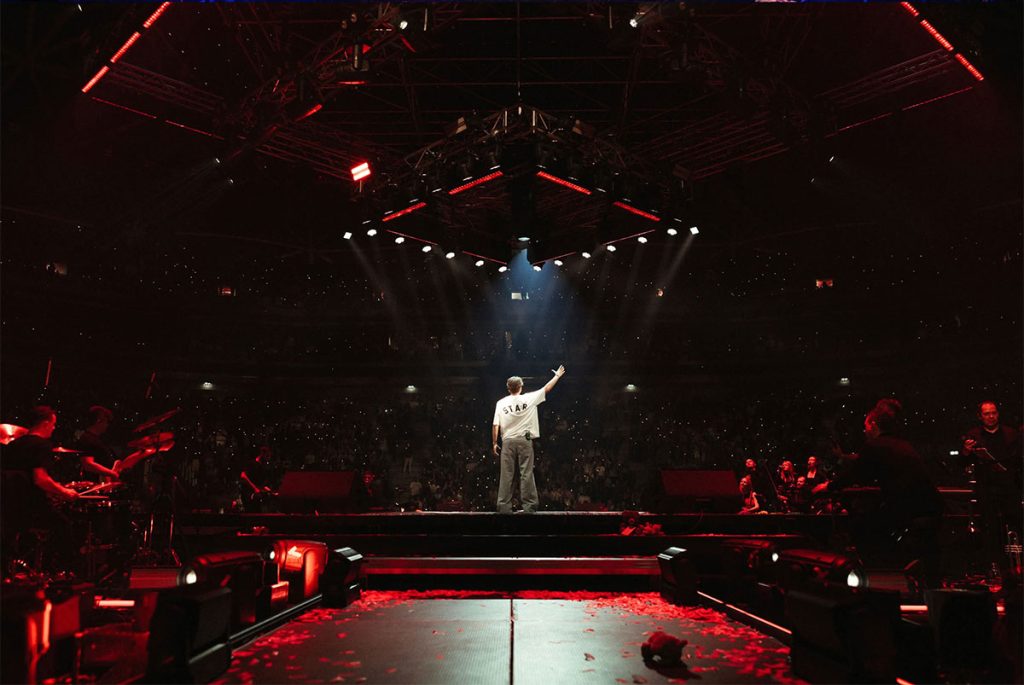
Beyond music itself, observers say his growing popularity also reflects a wider desire among audiences for performers who promote different values from those often dominant on social media and streaming platforms today.
His growing popularity is increasingly visible across the entire region, with concerts attracting strong interest in multiple countries rather than only in Serbia. Following a series of sold-out performances in Belgrade’s Sava Centar, Jozinović has also performed in Ljubljana’s Stožice and Novi Sad’s SPENS, while major upcoming concerts are scheduled for Zagreb Arena and Banja Luka’s Kastel Fortress. His two newly announced Belgrade Arena concerts on October 24 and 25 further confirm his rise as one of the region’s fastest-growing young artists.
Many fans also point to the symbolic aspect of his success, a young singer from Croatia whose music is equally embraced across the wider region, showing once again how art continues to connect people beyond politics and borders.