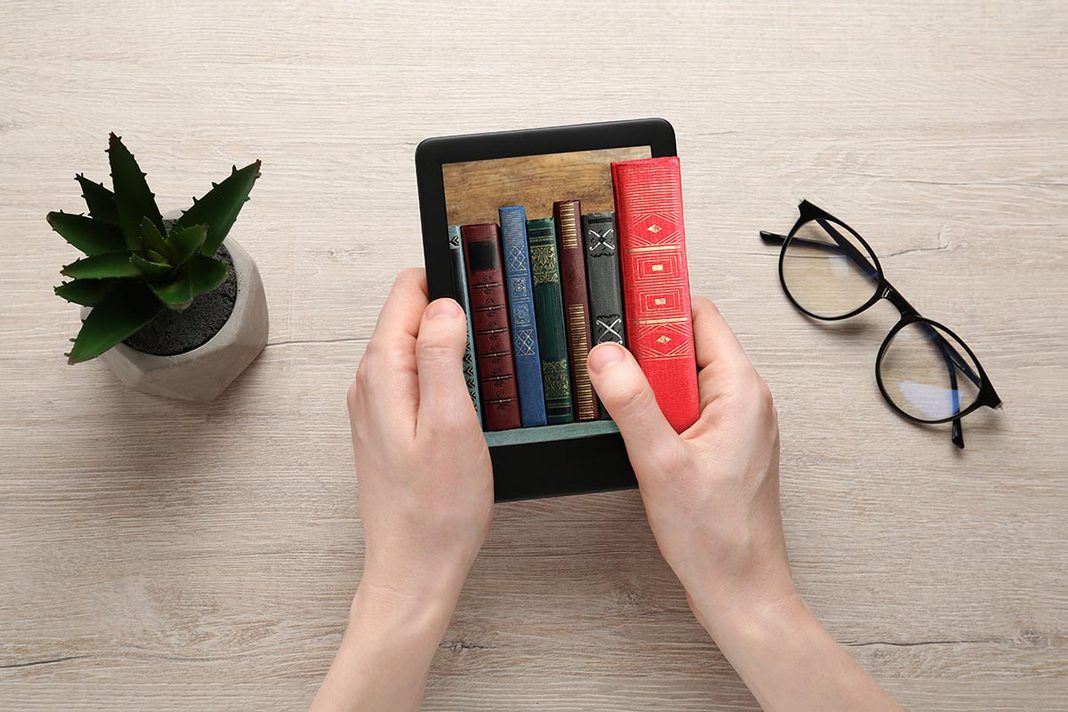
Digital textbooks can significantly reduce the costs associated with printing, paper, storage and distribution. Unlike printed books, electronic materials can also be updated more easily, allowing schools and publishers to correct outdated information without having to print and distribute entirely new editions.
The issue is particularly relevant in Serbia, where families can face significant expenses at the beginning of every school year when purchasing textbooks and other educational materials. A greater use of digital resources could potentially lower these costs and make educational content more accessible.
Technology also offers opportunities to make textbooks more interactive. Digital materials can include videos, animations, audio content, interactive exercises and additional learning resources, potentially making lessons more engaging for students.
However, a transition to digital education would also require investment. Schools and students need access to reliable internet connections, computers or tablets, while teachers need adequate training to make effective use of digital materials. There are also concerns about the digital divide, as not every family has the same access to devices and technology. Moving entirely away from printed textbooks could therefore create additional inequalities if digital access is not guaranteed for all students.
For Serbia, the most practical solution may therefore be a gradual transition rather than completely eliminating printed materials. Combining digital textbooks with traditional resources could allow schools to benefit from lower costs and technological advantages while ensuring that students who need printed materials are not left behind.
As education systems across Europe increasingly embrace digitalisation, the question for Serbia is no longer simply whether textbooks can be moved from paper to screens, but how that transition can be organised so that it is affordable, accessible and genuinely improves the quality of education.