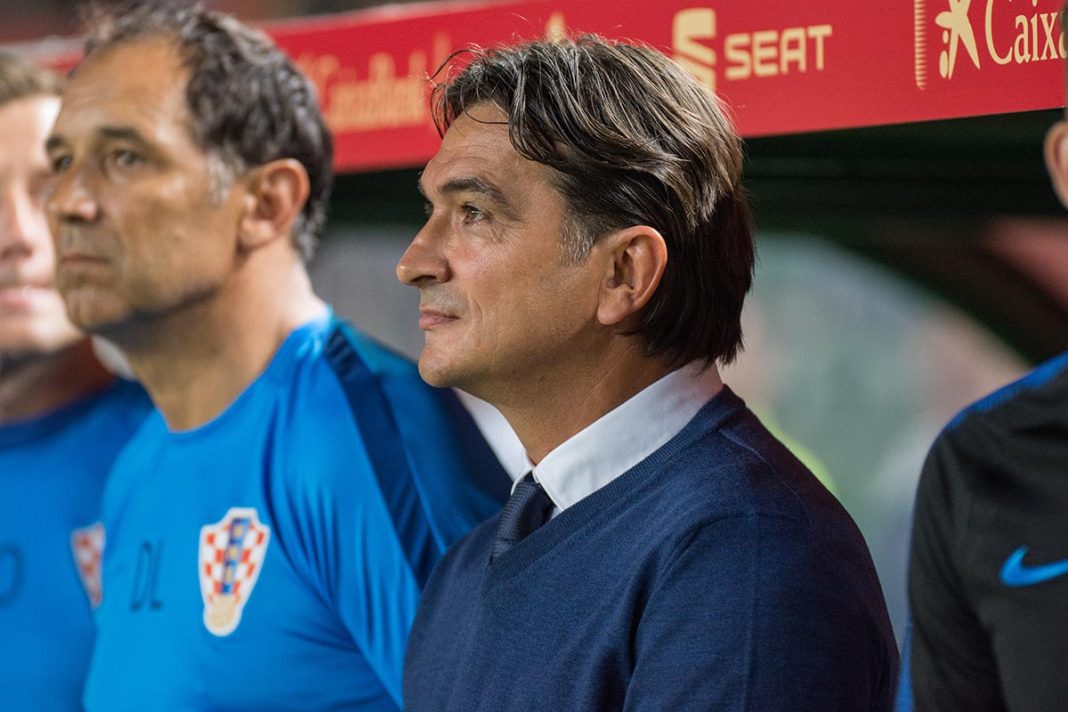
Zlatko Dalić has confirmed that he will leave his role as Croatia’s national football team head coach following the 2026 FIFA World Cup, bringing to a close one of the most successful eras in the country’s football history.
Dalić, who took over the national team in 2017, transformed Croatia into one of the world’s most consistent international sides. Under his leadership, Croatia reached the 2018 World Cup final, won the bronze medal at the 2022 World Cup, and finished runner-up in the 2023 UEFA Nations League, establishing the country as a regular contender on football’s biggest stage.
Reflecting on his decision, he said the 2026 World Cup would be the right moment to conclude his journey with the national team after nearly a decade at the helm. He emphasized his gratitude to the players, coaching staff and supporters, describing the role as the greatest honor of his coaching career.
Beyond the remarkable results, this coach is widely credited with fostering unity, resilience and a winning mentality within the squad, helping a nation of fewer than four million people consistently compete against the world’s footballing superpowers.
His successor will inherit one of Europe’s strongest national teams, led by a new generation of talented players aiming to build on the legacy of Croatia’s golden era.
Dalić’s tenure also highlights the importance of stability and patience in modern football management-an approach that often remains the exception rather than the rule across the Western Balkans. Coaches in the region are frequently expected to deliver immediate success, with little time to build a team, implement a playing philosophy or develop younger players. Yet football’s most successful projects are rarely created overnight.
Dalić was given the trust and time to shape Croatia’s national team, and the results speak for themselves. His story serves as a reminder that coaching is one of the most demanding roles in sport, requiring not only tactical expertise but also leadership, psychology and the ability to manage an entire squad under constant public pressure. As Croatian football prepares for a new chapter, Dalić’s legacy stands as an example not only for future coaches, but also for clubs and football federations across the region that long-term vision and confidence can be just as valuable as individual talent.