
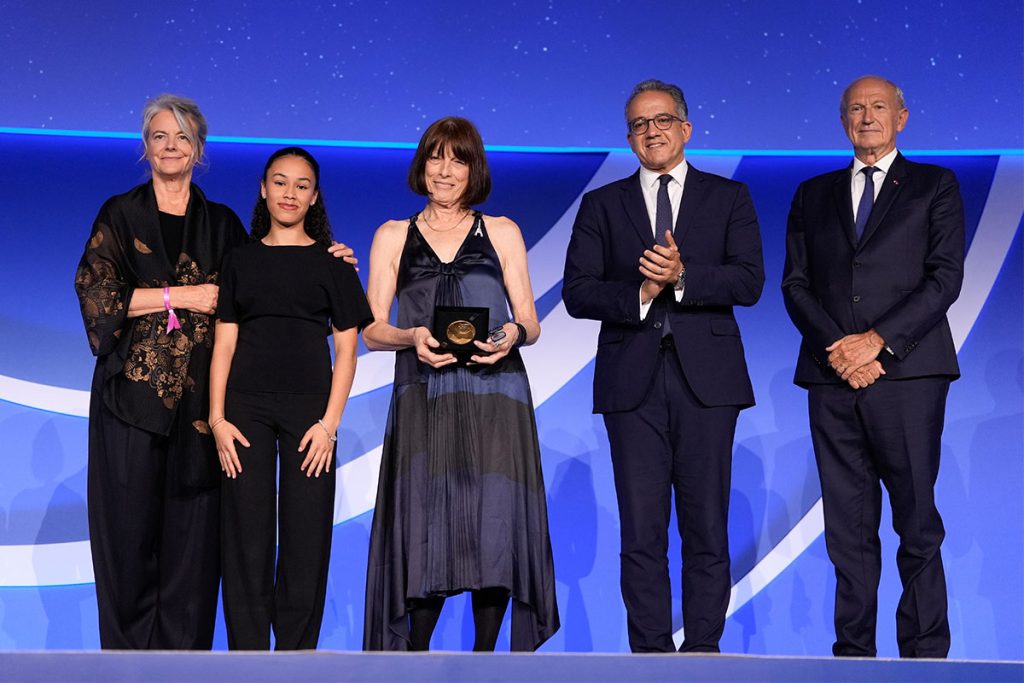
One of the world’s leading experts in regenerative medicine, Gordana Vunjak-Novaković, has received the 2026 International L’Oréal–UNESCO For Women in Science Award, one of the world’s most respected recognitions for scientific achievement.
The award was presented at a ceremony in Paris, where Vunjak-Novaković was recognised for her groundbreaking contributions to tissue engineering and regenerative medicine.
Born and educated in Belgrade before building a distinguished international career in the United States, Vunjak-Novaković has spent decades pushing the boundaries of medical science. Today, as a professor at , she leads research that is transforming how scientists approach the repair and regeneration of damaged human organs and tissues.
Her work has helped pioneer technologies that enable the growth of personalised bone grafts, the engineering of human lung tissue for life-saving transplants and the development of advanced laboratory models that replicate human diseases with remarkable precision.
Among her most influential achievements is the creation of so-called “organs-on-chips” — miniature bioengineered systems that mimic the behaviour of human organs. These platforms allow researchers to study complex conditions, including heart disease and metastatic cancers, while accelerating the development of new therapies.
At Columbia University’s Laboratory for Stem Cells and Tissue Engineering, Vunjak-Novaković and her team are developing technologies designed to regenerate damaged tissues and organs, ranging from bones and lungs to the heart and liver. Their long-term vision is even more ambitious: creating universal stem cells capable of repairing organs without the need for lifelong immunosuppressive treatments following transplantation.
“Our work is often described as a body shop for repairing injured or diseased organs, helping people live longer and healthier lives,” Vunjak-Novaković said.
“We aim to create biological replacements for human tissues by giving cells the instructions they need to form functional tissues tailored to each patient. Ultimately, this work will enable effective personalised therapies.”
Selected from a record field of nominees from around the world, Vunjak-Novaković was honoured alongside leading scientists from Africa, Europe, Asia-Pacific and Latin America whose research is advancing medicine, biology and biotechnology.
For the region, the recognition highlights the global impact of a scientist whose journey began in Belgrade and whose work is helping shape the future of medicine. From tissue engineering and stem-cell research to the prospect of lab-grown organs, her discoveries continue to expand what is possible in healthcare and human longevity.