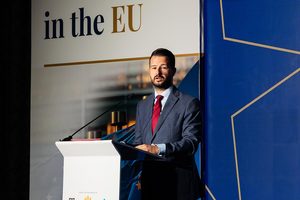

Speaking about Serbia’s long-term energy plans, Đedović Handanović said that the construction of a nuclear power plant remains a strategic objective but emphasized that such a project requires years of preparation, regulatory reforms and international partnerships. The earliest realistic timeframe for commissioning Serbia’s first nuclear power plant would be after 2040, given the complexity of planning, financing, licensing and building nuclear facilities.
Serbia officially entered the field of nuclear energy planning last year after the National Assembly repealed the decades-old moratorium on the construction of nuclear power plants, which had been in place since 1989 following the Chernobyl disaster. The move allows the country to conduct research, prepare strategic documents and consider future nuclear projects, although it does not mean construction will begin immediately.
The government is currently working on developing the legal, institutional and technical framework necessary for introducing nuclear energy, while also examining different technological options and potential international partners.
Đedović Handanović stressed that nuclear energy is being considered alongside continued investments in renewable energy sources, transmission infrastructure and regional interconnections. The goal, she said, is to ensure Serbia has a stable, reliable and low-carbon electricity system capable of meeting growing energy demand in the coming decades.
Many European countries have renewed interest in nuclear power as part of their energy transition strategies. Governments increasingly view nuclear energy as a reliable source of low-carbon baseload electricity that can complement wind and solar generation while reducing dependence on fossil fuels.
For Serbia, any future nuclear project would represent one of the largest infrastructure investments in the country’s history. Experts note that, beyond construction itself, such a programme would require developing a skilled workforce, establishing an independent nuclear regulatory authority, strengthening safety standards and ensuring compliance with international nuclear governance frameworks.