Germans Still Exchanging Deutsche Marks Nearly 25 Years After the Euro’s Introduction

Germany remains one of the few countries where citizens can still exchange their former currency, with billions of Deutsche Marks yet to be converted into euros

Nearly a quarter of a century after the euro replaced the Deutsche Mark, Germans continue to exchange significant amounts of their former currency, according to data from the Bundesbank.

In 2024 alone, around 53 million Deutsche Marks—valued at approximately €27.2 million—were exchanged, marking a slight decline from 2023, when 58 million Deutsche Marks were handed in. Germany is one of six countries, alongside Austria, Ireland, Estonia, Latvia, and Lithuania, that still allow their former currencies to be converted into euros.

Despite the euro becoming the official currency on 1 January 2002, the Bundesbank estimates that around 12.2 billion Deutsche Marks, equivalent to approximately €6.24 billion, remain unexchanged more than two decades later.


Have a news tip or story to share? Email us at info@connectingregion.com

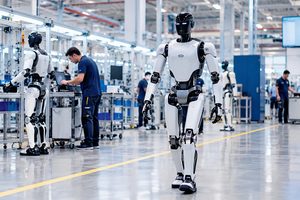
Humanoid Robots Made in Serbia

Chinese manufacturers Minth and AGIBOT have launched humanoid robot production in Šabac, opening a new chapter for Serbia's industrial...

Croatian Self-Driving Cars Take to British Roads

From Zagreb to Manchester, Croatian mobility company Verne is helping bring autonomous taxis to European streets, challenging the assumption...

Adria’s Invisible Global Footprint

From the technology behind global communications to medicines, automotive engineering and digital worlds, the seven countries of Adria have...

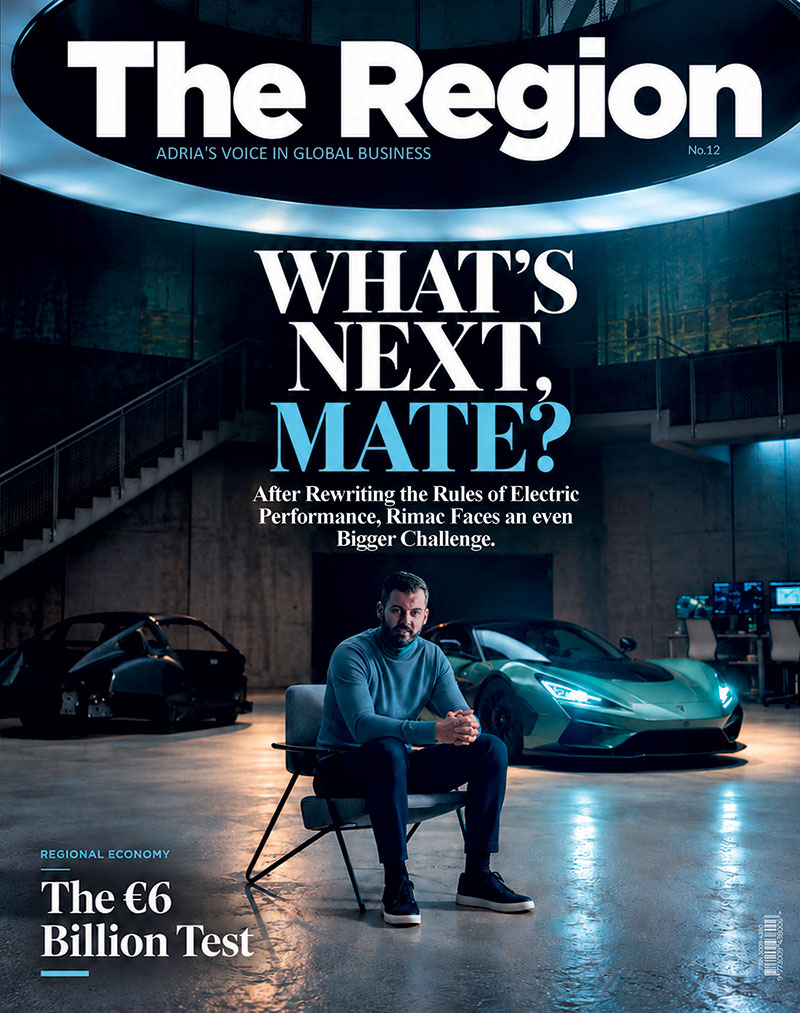
The Next Test for Mate Rimac

The Croatian entrepreneur built a global reputation by challenging the automotive establishment. Now, with Porsche departing, BMW adopting his...

Beyond the AI Hype

Who's Actually Building the Adria Region's AI Economy? From cancer diagnostics and digital identity to industrial engineering and creative automation,...
spot_img

Connecting the Adria Region Decision Makers

The Region is more than a publication - it's where the region's elite converge for insights and opportunities