

Montenegro’s Central Bank Says SEPA Payments Delivered €2.4 Million In Savings

Integration into the European payments system is cutting costs for citizens and businesses

Montenegro’s Central Bank (CBCG) announced that the country’s adoption of the Single Euro Payments Area (SEPA) has generated measurable savings of about €2.4 million over the first three months of use. The analysis covered the period from October 7, 2025, when SEPA became operational in Montenegro, through January 7, 2026, according to a CBCG report.

The Central Bank highlighted a stark difference in fees between SEPA and traditional international payments via the SWIFT network. During the analyzed period the average cost of a SEPA transfer was approximately €6.15, while a comparable SWIFT payment in 2024 cost about €73.40 — meaning SEPA payments were nearly 12 times cheaper on average.

For smaller transfers of up to €200, the average SEPA fee for individuals was only about €0.067, compared with €18.14 for SWIFT.

CBCG officials noted that while the savings are already significant, there remains potential for even greater cost reductions, especially in the business sector where many transactions still go through the more expensive SWIFT system. The move to SEPA is part of broader efforts to modernize Montenegro’s financial infrastructure and align with European standards ahead of future economic integration.


Have a news tip or story to share? Email us at info@connectingregion.com

Employment in North Macedonia’s Industrial Sector Falls 2.9% in September

The number of employees in North Macedonia’s industrial sector declined by 2.9% in September 2026 compared with the same...

Humanoid Robots Made in Serbia

Chinese manufacturers Minth and AGIBOT have launched humanoid robot production in Šabac, opening a new chapter for Serbia's industrial...

Croatian Self-Driving Cars Take to British Roads

From Zagreb to Manchester, Croatian mobility company Verne is helping bring autonomous taxis to European streets, challenging the assumption...

Adria’s Invisible Global Footprint

From the technology behind global communications to medicines, automotive engineering and digital worlds, the seven countries of Adria have...

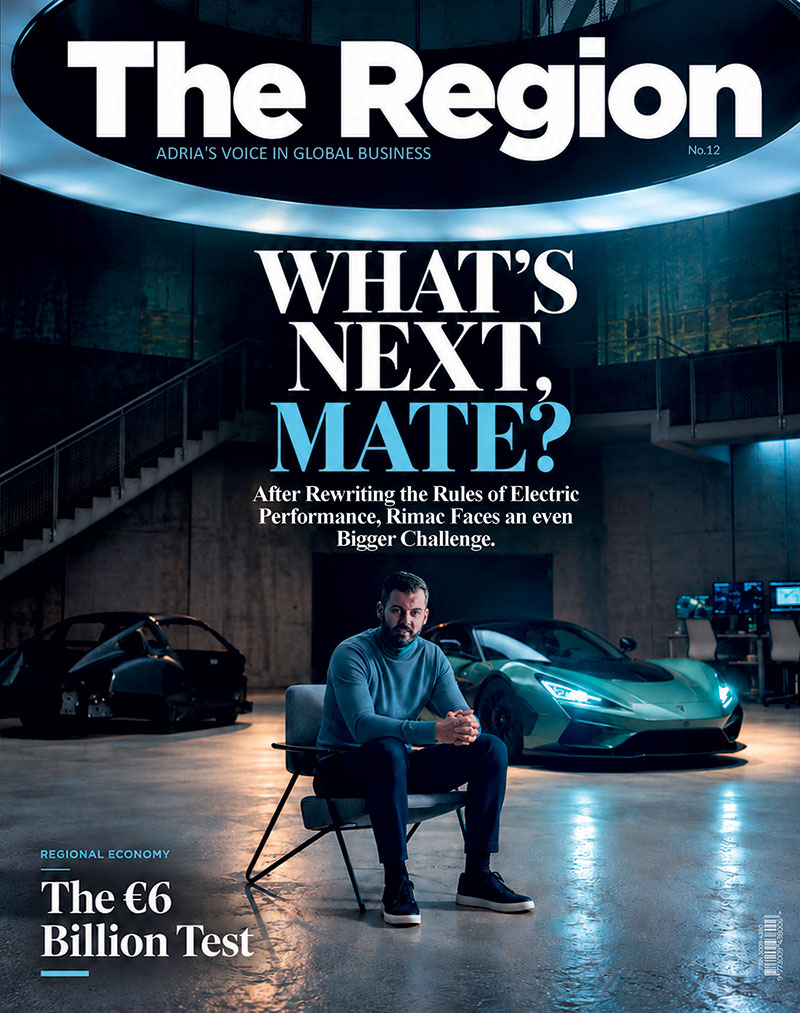
The Next Test for Mate Rimac

The Croatian entrepreneur built a global reputation by challenging the automotive establishment. Now, with Porsche departing, BMW adopting his...
spot_img

Connecting the Adria Region Decision Makers

The Region is more than a publication - it's where the region's elite converge for insights and opportunities