
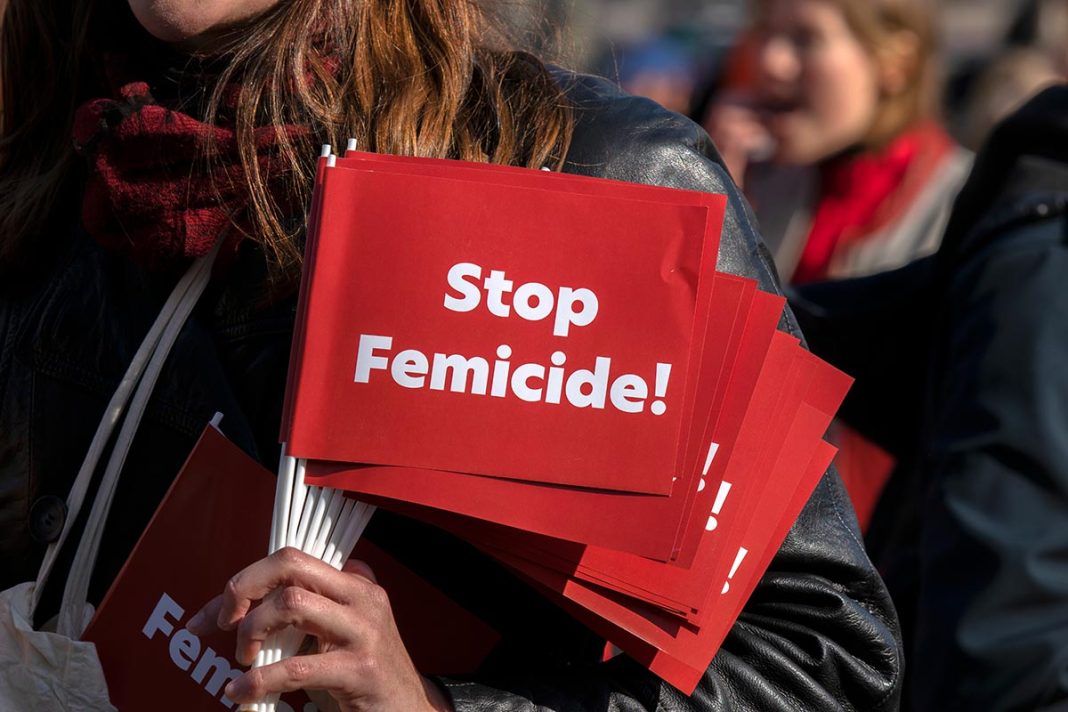
The killings have once again brought femicide to the forefront of public debate in Montenegro, a country that has made significant progress in many areas of reform while pursuing membership in the European Union. Yet the deaths serve as a stark reminder that legal frameworks, strategies and institutional commitments mean little if they fail to prevent women from being murdered by those closest to them. While emergency hotlines, safe houses and support services formally exist, the persistence of such crimes suggests that the current system is still falling short in providing effective protection.
Montenegro is far from alone in facing this challenge. Across the Western Balkans, cases of domestic violence, sexual abuse and femicide continue to make headlines with alarming regularity. Despite years of public campaigns, legislative amendments and international support programs, women throughout the region remain disproportionately vulnerable to violence within their own homes. In many cases, warning signs are reported long before a tragedy occurs, yet institutional responses are often criticized as slow, fragmented or insufficient.
Statistics collected by women’s rights organizations and international bodies have repeatedly shown that intimate partners and family members remain among the most common perpetrators of violence against women. Experts have long argued that preventing femicide requires more than reactive measures after abuse has already occurred. Stronger risk assessment mechanisms, faster coordination between police, courts and social services, comprehensive education programs and a cultural shift in attitudes toward gender-based violence are frequently identified as essential components of a meaningful response.
As Montenegro continues its European integration process, addressing violence against women should remain a priority alongside efforts to combat organized crime, corruption and drug trafficking. These are all crucial challenges, but the safety of women is equally a measure of a country’s democratic maturity and institutional effectiveness. The latest tragedies are not solely a Montenegrin issue; they reflect a broader regional problem that demands sustained political attention. Until governments across the Balkans move beyond formal commitments and achieve measurable results, femicides will continue to expose one of the region’s most painful and persistent failures.