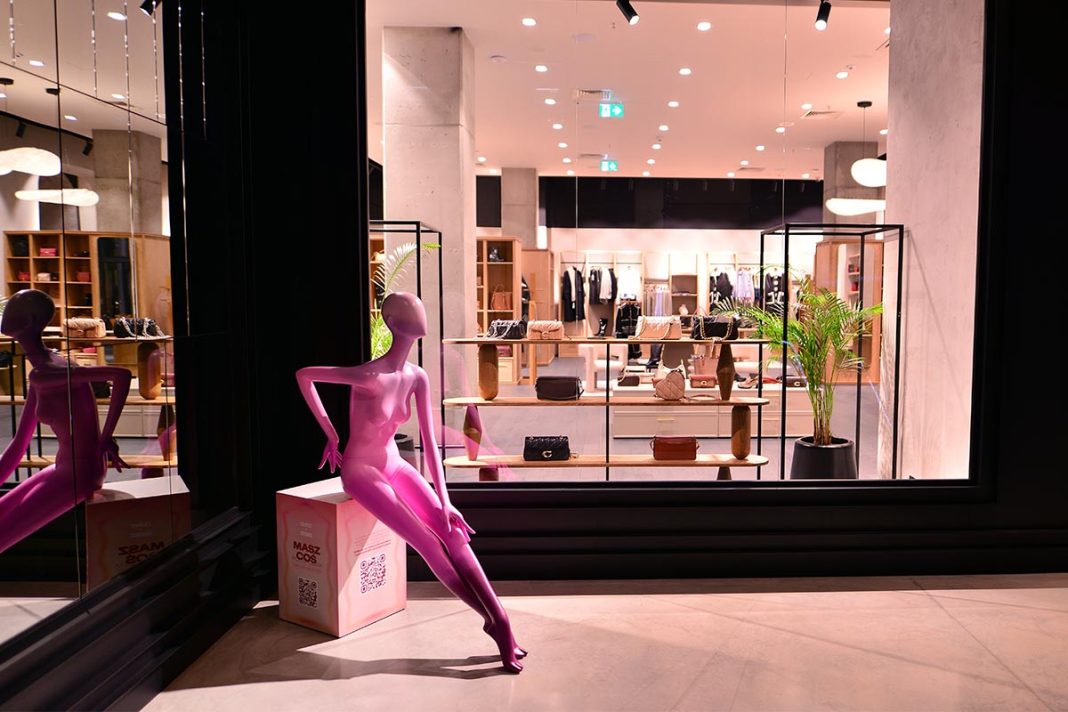
For generations, clothing in Southeast Europe carried a story. Garments were repaired rather than discarded, passed down between siblings and cousins, and often purchased from local boutiques, family-owned shops or regional manufacturers. Today, shopping habits across the region are becoming increasingly similar to those seen elsewhere in Europe and North America. Large shopping centres, international brands and rapidly changing trends have become the dominant force in fashion consumption, while smaller local retailers struggle to compete.
This shift is not simply about modernisation. The region has benefited enormously from greater connectivity, technology and access to global markets. Yet the growing influence of fast fashion has also accelerated a culture of constant consumption. Clothes are increasingly treated as disposable items, with trends changing so quickly that pieces purchased just a year or two ago are often viewed as outdated. As consumers chase new styles, locally produced clothing and independent designers are frequently overlooked in favour of cheaper imported alternatives manufactured in countries with low labour costs.
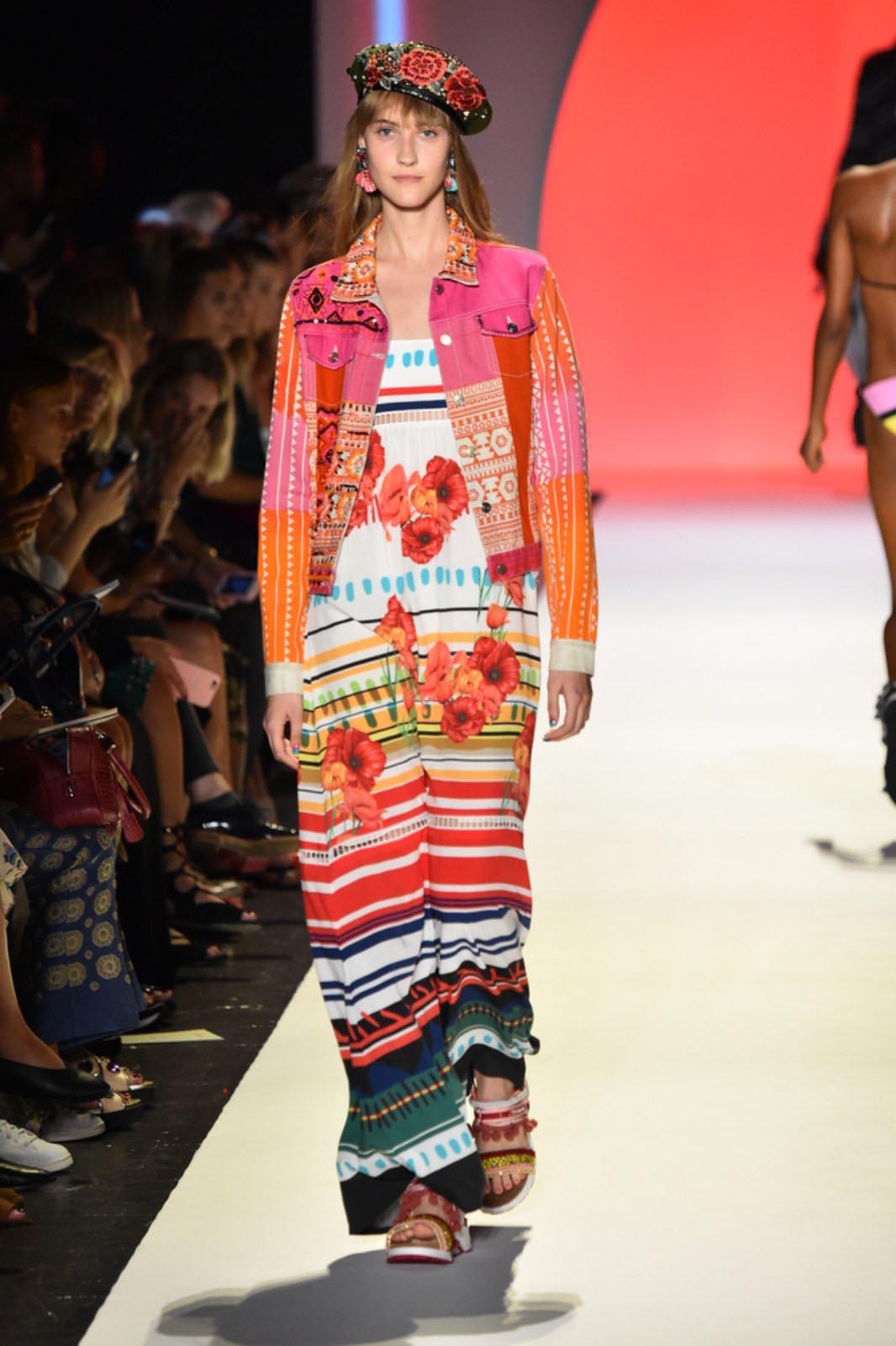
The environmental consequences are significant. The fashion industry is among the world’s largest sources of waste and pollution, with millions of tonnes of clothing ending up in landfills each year. Fast fashion encourages overproduction and overconsumption, creating a cycle in which garments are bought, worn briefly and discarded. In a region where clothing was once expected to last for years and often passed through multiple generations, this represents a profound cultural and environmental shift.
No one is suggesting that people should return to traditional folk costumes for everyday life. Fashion naturally evolves and global influences have always shaped local styles. But as the Balkans become increasingly integrated into global consumer culture, the challenge may be finding a balance between embracing modern trends and preserving the values of quality, longevity and individuality that once defined the region’s relationship with clothing.