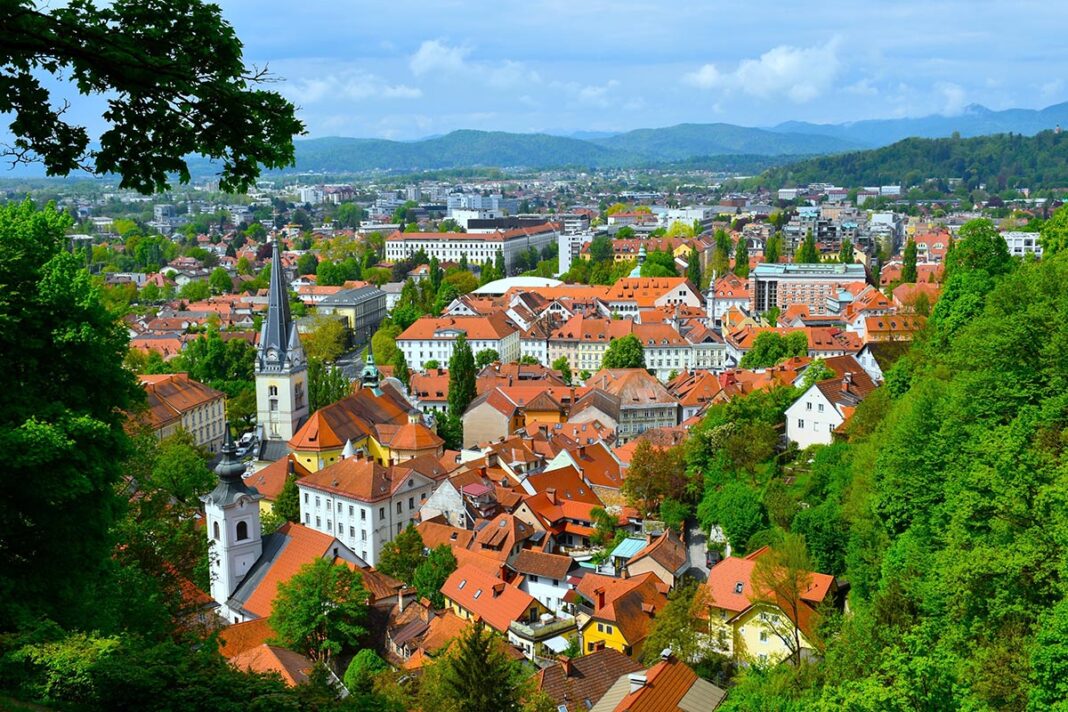
Ljubljana is facing a growing political and environmental dispute over plans to build a €300 million waste-to-energy plant, a project that could redefine the capital’s long-standing green credentials. Mayor Zoran Janković has proposed a consultative referendum following mounting opposition from environmental groups and health experts, who argue the facility contradicts the city’s “zero waste” ambitions and could pose risks to residents.
At the heart of the debate is the challenge of managing non-recyclable waste. While Ljubljana recycles around 70% of its waste, placing it among Europe’s leaders, it lacks domestic capacity to process the remaining material and relies heavily on costly exports.
City officials argue that a local incinerator would transform this burden into an energy resource, potentially boosting energy self-sufficiency and reducing heating costs, while supporting the broader transition away from fossil fuels.
Critics, however, warn that the project could undermine a decade of environmental progress. They point to Ljubljana’s basin geography, where winter temperature inversions trap pollution, raising concerns that even advanced filtration systems may not fully mitigate emissions. Opponents also argue that such a large-scale facility risks creating long-term dependence on waste, discouraging reduction efforts and conflicting with sustainability goals.
The controversy comes at a pivotal moment for Slovenia’s energy transition, as authorities seek to balance environmental commitments with rising energy security concerns. With a public debate scheduled in May and a potential referendum on the horizon, the outcome could shape not only Ljubljana’s future but also broader regional approaches to waste management and green policy.