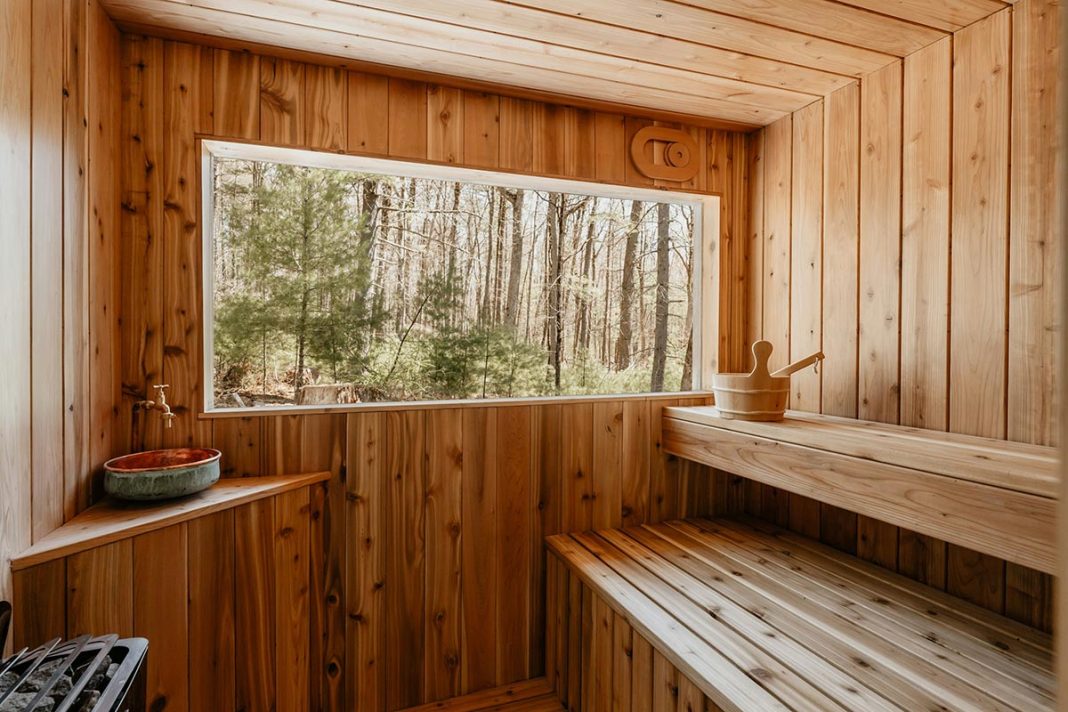
From Ljubljana and Zagreb to Belgrade and the Adriatic coast, wellness culture is experiencing a noticeable rise in popularity, particularly among younger generations. What was once associated mainly with hotels and spas is now becoming part of everyday urban lifestyle culture, with saunas, cold plunges and wellness clubs attracting people looking to disconnect from stress, social media overload and fast-paced city life.
Observers say the growing trend reflects a wider global shift toward healthier routines, mindfulness and experiences centred around balance rather than nightlife excess. Across the region, more boutique wellness spaces are opening with Scandinavian-inspired interiors, herbal rituals and community-focused concepts that combine relaxation with social interaction.
The trend has become especially popular among Gen Z and millennials, many of whom see saunas not only as places for physical recovery, but also as calming social spaces where conversations replace loud music and constant screen time. Wellness tourism is also expanding across the Balkans, with destinations in Slovenia, Croatia and Montenegro increasingly promoting spa, thermal and wellness experiences alongside traditional tourism offers.
Industry analysts believe the rise of sauna culture is part of a broader lifestyle transformation taking place globally, one focused less on fast consumption and more on wellbeing, sustainability and meaningful experiences.