
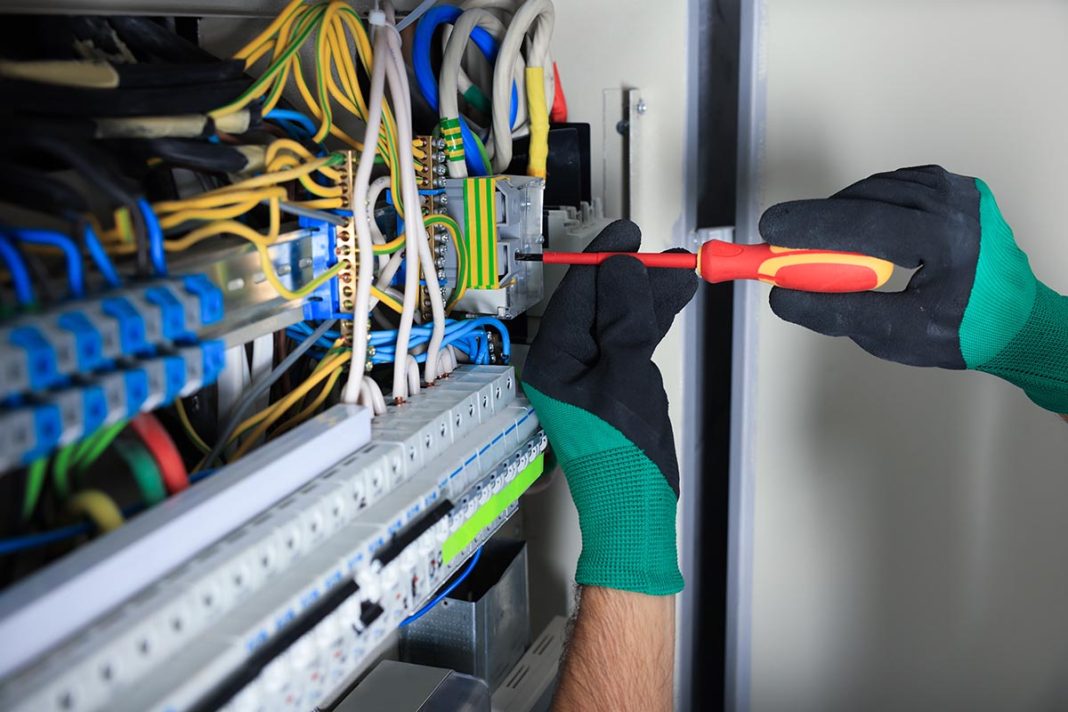
According to the National Employment Service (NSZ), employers advertised nearly 16,000 vacancies in June, with one of the highest levels of demand recorded for electrical workers and power system operators. Industry representatives say qualified electricians have become increasingly difficult to find, as many experienced workers have moved abroad while fewer young people are choosing vocational careers.
The shortage has translated into significantly higher wages. Depending on qualifications, experience and the complexity of the work, electricians in Serbia can now earn up to €2,000 per month, placing the profession among the country’s best-paid skilled trades.
The trend reflects a broader shift in Serbia’s labour market, where traditional crafts and technical professions are once again becoming highly valued. Alongside electricians, employers are also struggling to recruit mechanics, plumbers, welders, construction workers and other vocational specialists, forcing companies to offer more competitive salaries and additional benefits.
Labour market experts attribute the shortage to several factors, including demographic changes, emigration of skilled workers to Western Europe and a long-standing perception that university education offers better career prospects than vocational training. As a result, enrolment in many technical and craft-based secondary school programmes has lagged behind employer demand.
The renewed demand for electricians also reflects Serbia’s ongoing investments in energy infrastructure, construction, industrial production and digitalisation, sectors that require an increasingly skilled technical workforce. At the same time, the expansion of renewable energy projects, smart electrical systems and modern manufacturing facilities is creating additional opportunities for qualified professionals.
The trend is not unique to Serbia. Across the Western Balkans and much of Europe, skilled trades are experiencing a resurgence as governments and businesses face a growing shortage of technical workers. While professions such as software engineering continue to attract attention, electricians have become a reminder that vocational occupations remain essential to economic growth—and, increasingly, among the most financially rewarding career paths available.