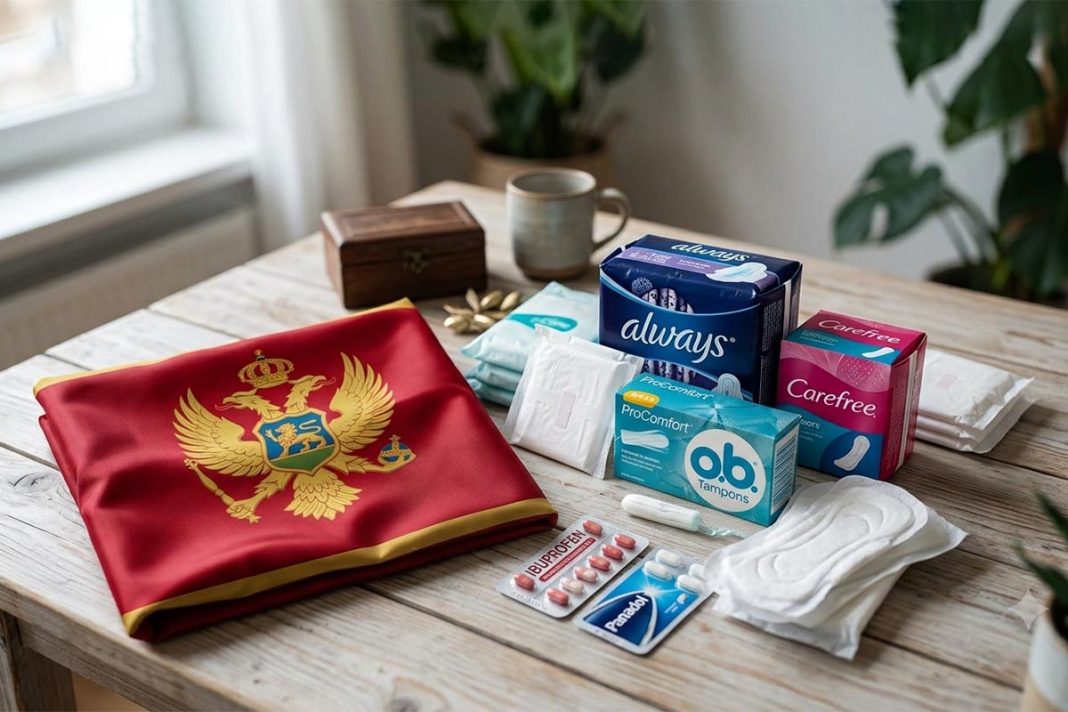
The amendments to Montenegro’s labour regulations allow women experiencing severe menstrual pain and related health issues to take up to three days of paid menstrual leave per year, following a proposal initiated by MP Pejović. The initiative was inspired by similar legislation introduced in Spain, which became one of the first European countries to establish menstrual leave as a legal right.
Pejović raised the issue in the Parliament of Montenegro, arguing that menstrual health should no longer remain a topic discussed only privately but should be recognized as part of broader conversations about women’s health, working conditions and equality.
The adoption of the measure has been welcomed by women’s rights advocates as an important step toward creating a more inclusive workplace environment. Supporters argue that the policy does not represent a privilege, but rather an acknowledgment that certain health conditions can significantly affect women’s daily functioning and professional responsibilities.
Beyond the immediate impact on employees, the decision is expected to contribute to greater awareness of reproductive health conditions that often remain underdiagnosed, including polycystic ovary syndrome (PCOS), endometriosis and uterine fibroids.
These conditions do not depend on age and increasingly affect women at different stages of life—from teenage girls who have recently entered adolescence, to women in their twenties and thirties, as well as those approaching or experiencing perimenopause and menopause.
For many women, symptoms associated with these conditions can include severe pain, irregular cycles, fatigue and other challenges that are often minimized or misunderstood. Health experts and advocates have repeatedly highlighted the importance of removing stigma and encouraging earlier diagnosis and treatment.
Montenegro’s move places the country among a small group of European states addressing menstrual health through labour legislation and opens a wider regional discussion about how workplaces can better respond to women’s health needs.
The decision has also raised expectations that other Western Balkan countries could consider similar initiatives. Advocates argue that Montenegro’s example demonstrates the importance of treating women’s health as a public policy issue rather than a private matter, and that greater institutional support could improve both healthcare outcomes and workplace equality across the region.