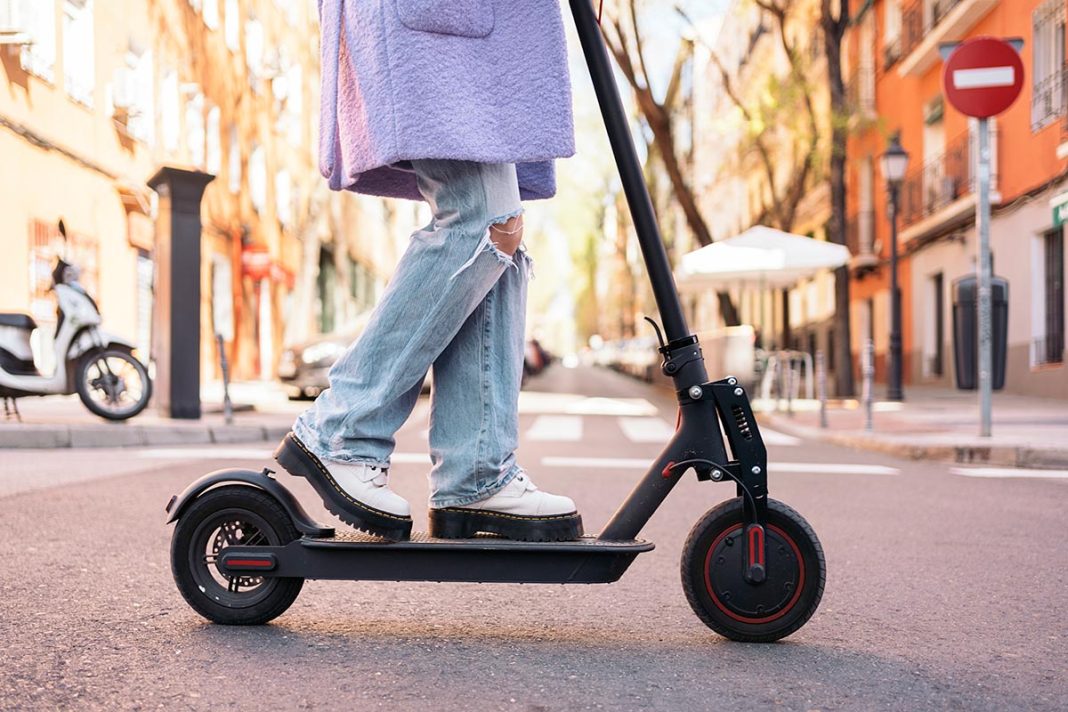
Mayor Zoran Paunović announced that the city intends to adopt a new traffic regulation by the end of the year, which will include a prohibition on riding e-scooters in pedestrian areas. The proposal follows discussions within the city’s Prevention Council, where officials highlighted the increasing number of incidents involving electric scooters and the risks they pose to pedestrians.
According to Paunović, the new regulations are expected to be prepared by the autumn and formally adopted before the end of 2026. City authorities also plan to involve traffic and safety experts in drafting the legislation to ensure an effective solution, while additional surveillance cameras are being considered to help enforce the new rules, given the limited number of police officers and municipal traffic wardens.
The mayor also stressed the importance of parental responsibility, warning that many parents underestimate the risks associated with purchasing electric scooters for children. He argued that e-scooters should no longer be viewed as simple recreational toys but as vehicles that require clear rules and responsible use.
Makarska’s initiative reflects a broader trend across Europe, where cities are increasingly seeking ways to regulate micromobility as the popularity of electric scooters continues to grow. While these vehicles offer an environmentally friendly and convenient means of transport, their rapid adoption has often outpaced existing infrastructure and legislation, particularly in busy urban centres and tourist destinations.
For popular Adriatic resorts such as Makarska, the challenge is especially pronounced during the summer months, when narrow promenades and historic pedestrian streets are shared by thousands of residents and tourists each day. Local authorities therefore face the difficult task of balancing sustainable mobility with public safety.
Rather than discouraging the use of electric scooters altogether, the planned restrictions seek to encourage responsible micromobility, ensuring that new forms of transport can coexist with pedestrians. As more European municipalities review their traffic policies, Makarska’s proposal may serve as another example of how cities are adapting to the changing landscape of urban mobility.