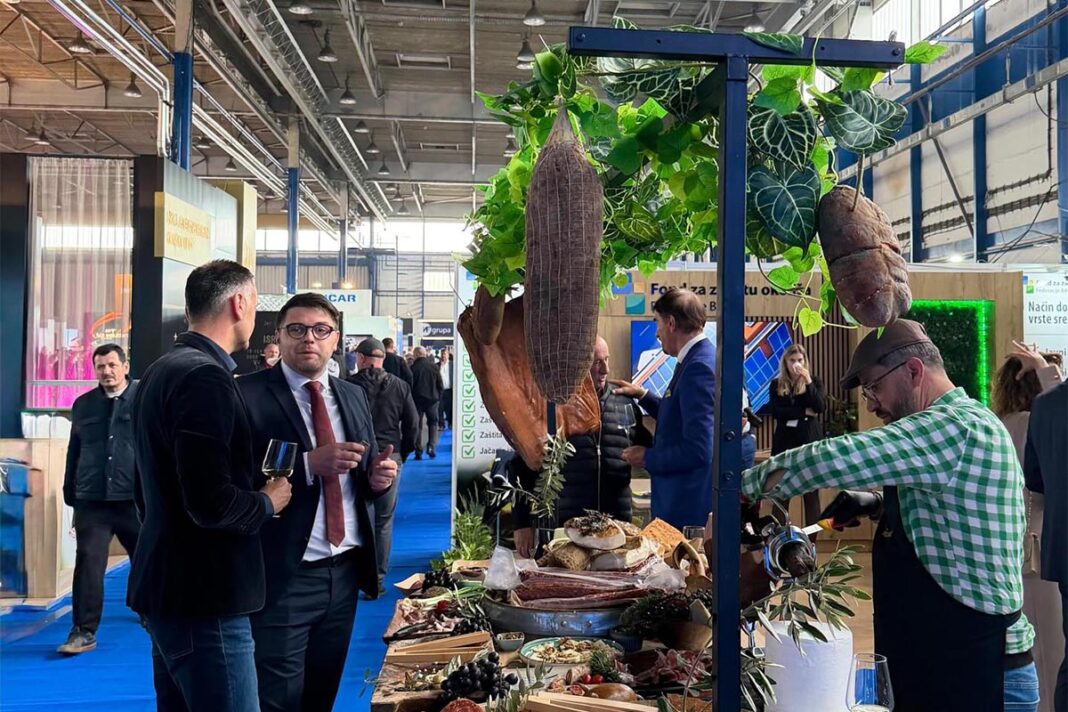
The city has once again taken on that role with the opening of the International Economy Fair Mostar, bringing together around 900 exhibitors from 27 countries and turning southern Bosnia and Herzegovina into one of the busiest business crossroads in the region.
Running until 18 April, the fair stretches far beyond a traditional trade showcase. Its scope—from industry and energy to tourism, agriculture, and emerging technologies—reflects a region trying to diversify, modernise, and position itself more competitively in the European market.
At the centre of it all is connection. Director Dalfina Bošnjak framed the event not just as an exhibition, but as a working platform where ideas move quickly from conversation to execution.
“Mostar Fair is where ideas that shape the future of our city and region meet,” she said, pointing to a programme designed to spark partnerships rather than just visibility. “This is where trust is built—and where projects begin.”
That ambition is not just local optimism. The presence and messaging of regional leaders underline how seriously the fair is now taken as an economic signal.
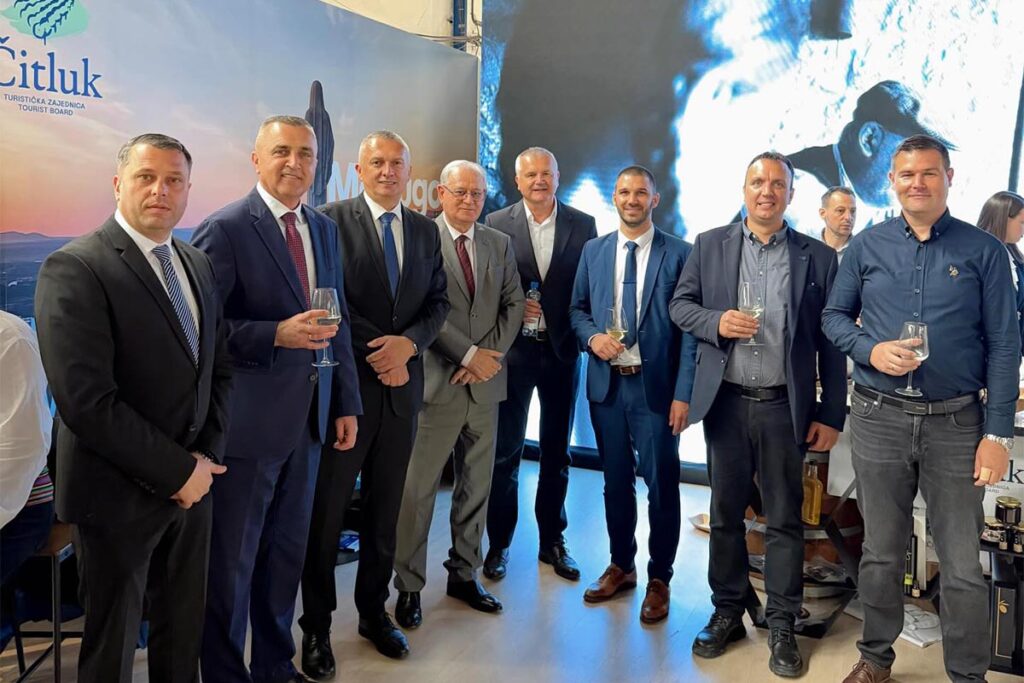
Croatian Prime Minister Andrej Plenković described the event as a key driver of regional cooperation and a visible step in Bosnia and Herzegovina’s European trajectory. With exhibitors and participants arriving from across Europe and beyond, he positioned the fair as more than a national event—it has become a regional fixture with growing strategic weight.
He also reinforced Croatia’s continued economic engagement, highlighting investments and joint projects as proof that cross-border cooperation is no longer a political slogan but a practical business reality.
And that may be the real story behind Mostar this week.
Not the number of stands. Not even the scale of participation.
But the fact that, in a region often defined by fragmentation, one city can still gather capital, ideas, and ambition in one place—and make them move.