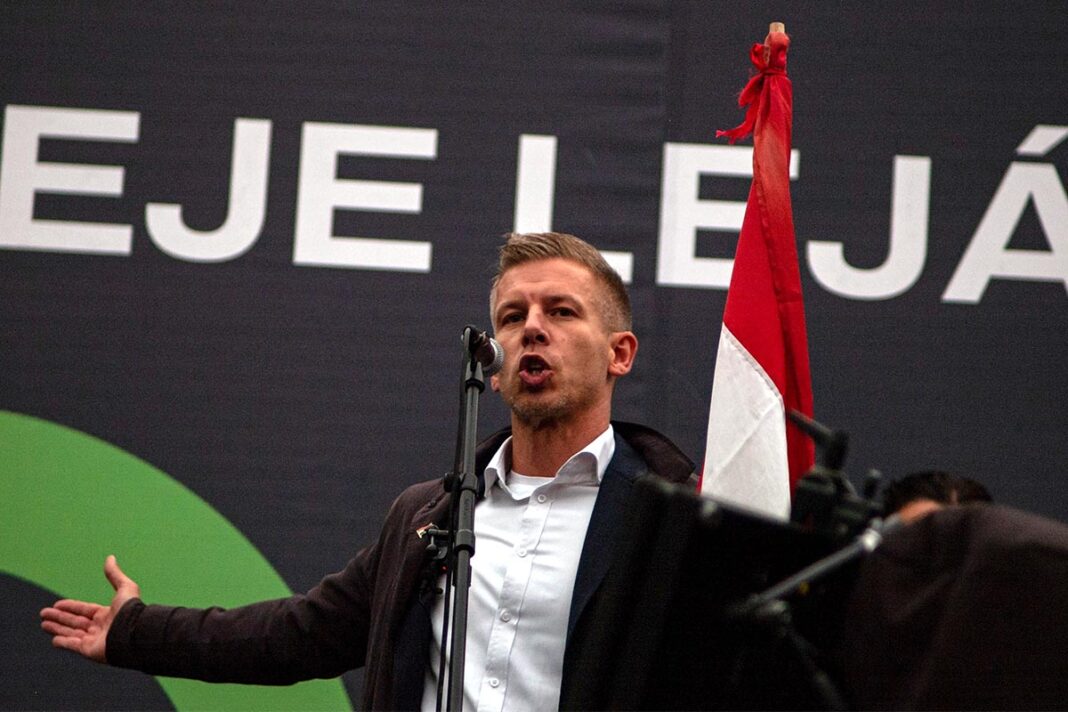
Magyar’s victory marks a historic political shift in Hungary, where Orbán and his Fidesz party had dominated the political landscape since 2010. The election result reflects mounting public frustration over economic pressures, corruption allegations, and growing tensions with the European Union, all of which became central themes during the campaign.
Positioning himself as a reformist alternative, Magyar built momentum by appealing to a broad coalition of voters seeking institutional change, stronger rule of law, and a reset in Hungary’s relationship with its European partners.
His rapid rise has been widely interpreted as a sign of shifting political dynamics in a system long criticized for favoring entrenched power.
The outcome is expected to have far-reaching implications, not only for Hungary’s domestic governance but also for the broader Central European region, potentially signaling a challenge to the model of illiberal democracy that defined much of Orbán’s tenure.