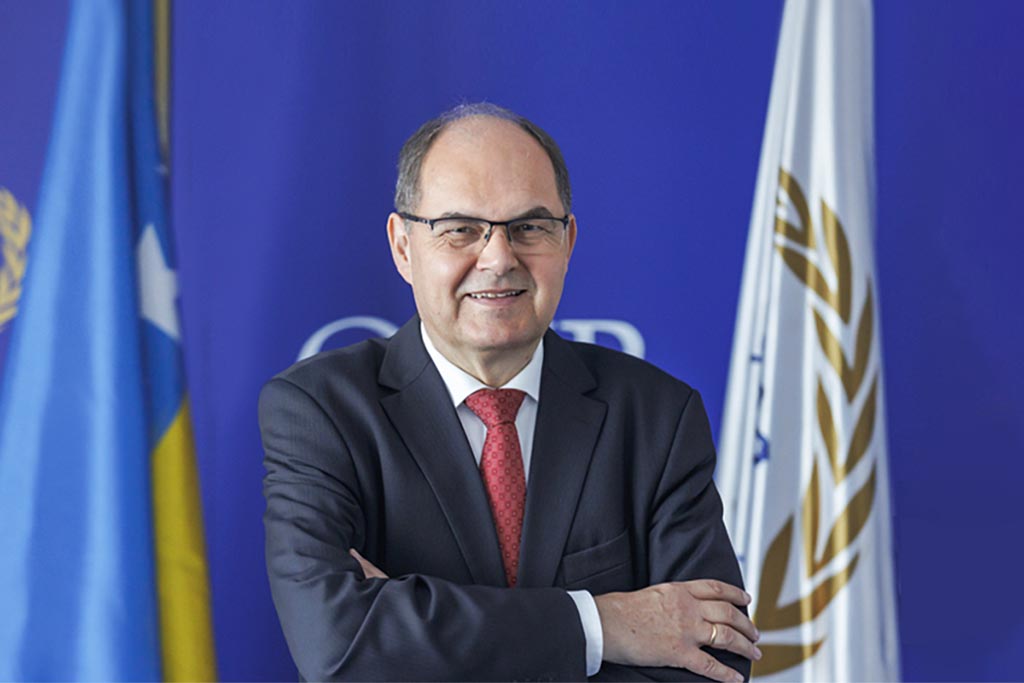
Christian Schmidt has submitted his resignation, marking a significant development for Bosnia and Herzegovina and the international oversight framework established after the Dayton Peace Agreement. Schmidt, a German politician and former federal minister, served as High Representative since 2021.
The position of High Representative was created after the 1995 Dayton Agreement to oversee the civilian implementation of peace in Bosnia and Herzegovina. The office holds broad powers, including the ability to impose laws, amend legislation and dismiss public officials in order to preserve institutional stability and the constitutional order. Over the years, the role has remained one of the most influential international positions in the country.
Schmidt’s mandate was marked by repeated political crises, disputes over the authority of the Office of the High Representative, and tensions between domestic leaders and parts of the international community. His decisions, particularly those related to electoral reforms and institutional functioning, often triggered strong reactions from political actors across Bosnia and Herzegovina.
Analysts say the resignation raises questions about the future role of international supervision in the country, as well as the broader direction of reforms, governance, and European integration. Discussions over Schmidt’s successor and the next phase of international engagement in the Western Balkans are now expected to intensify.