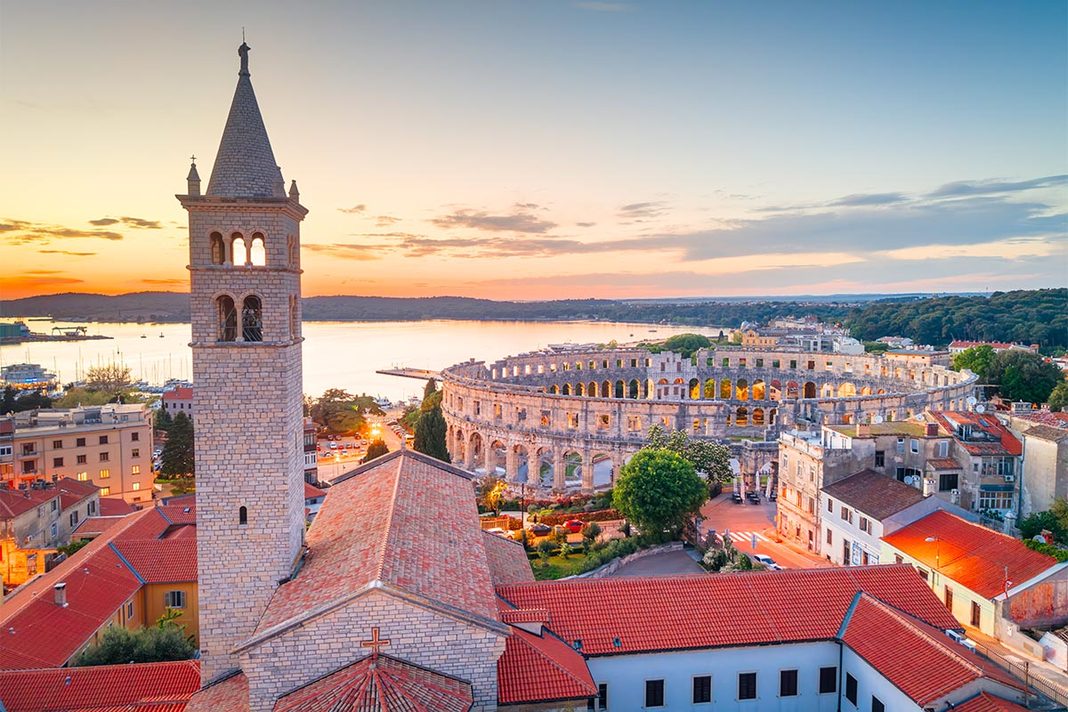
The country’s tourism sector relies heavily on the summer season, when the number of workers employed in accommodation and food services rises sharply to meet increased demand from international visitors. This creates a significant gap between employment levels during the peak tourist months and the rest of the year.
The pronounced seasonality reflects Croatia’s dependence on coastal and summer tourism, which remains a key contributor to the national economy.
While the seasonal model provides substantial employment and revenue during the peak period, it also presents challenges for businesses seeking to retain skilled workers and maintain stable operations throughout the year.
The figures underline the importance of Croatia’s efforts to extend the tourist season and diversify its tourism offering, including through cultural, wellness, sports and business tourism, which could help spread economic activity more evenly across the year.