
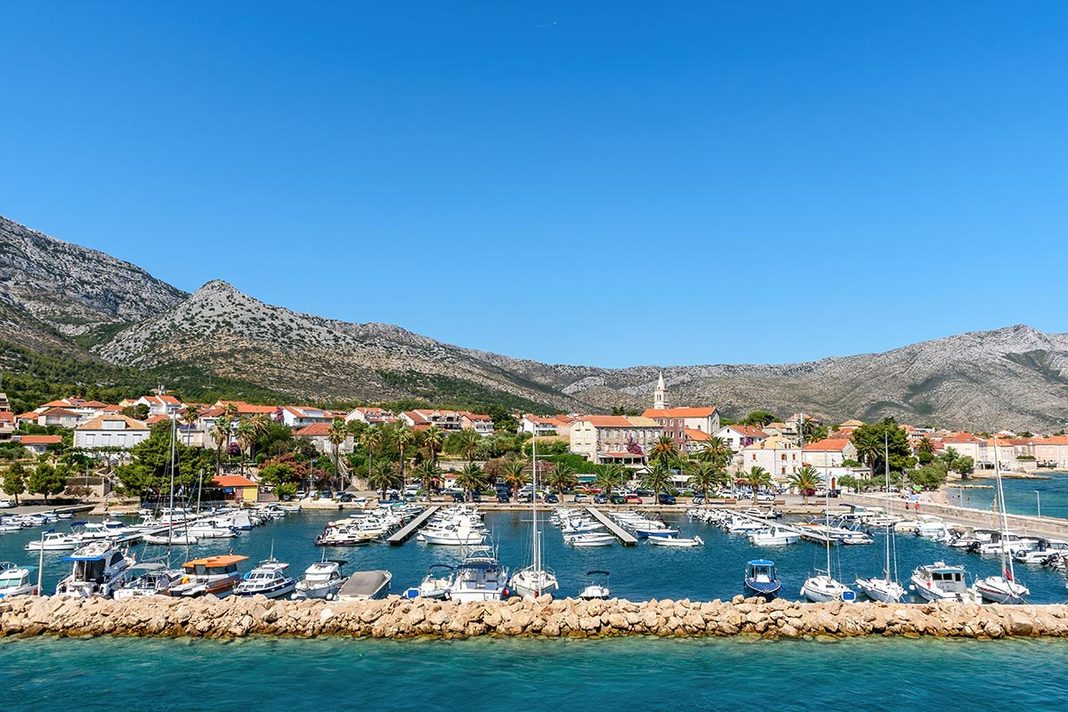
The peninsula, stretching along Croatia’s southern Adriatic coast, has benefited from improved accessibility since the opening of the Pelješac Bridge, which has made travel to the area easier and strengthened its connection with the rest of the country.
Rather than competing directly with destinations such as Dubrovnik and Split, Pelješac is attracting visitors looking for a more relaxed alternative, with smaller coastal communities offering a combination of seaside tourism, gastronomy, wine and nature.
The region is particularly known for its vineyards and wine production, with Dingač and Postup among its best-known wine-growing areas. Local producers, family-run restaurants and small accommodation providers are increasingly becoming part of the peninsula’s tourism offer.
The growth also reflects a wider trend in Croatian tourism, as visitors increasingly seek experiences away from overcrowded city centres and major resorts. Smaller coastal towns can offer a more personal experience while still providing access to beaches, outdoor activities and traditional cuisine.
Pelješac’s tourism development could bring additional economic opportunities to local communities, from hospitality and agriculture to wine production and other tourism-related businesses. At the same time, the growing popularity of the peninsula is likely to increase the need for sustainable management of its natural resources and infrastructure.
With its combination of Adriatic coastline, wine culture, gastronomy and relatively slower pace, Pelješac is increasingly positioning itself as one of Croatia’s emerging destinations for travellers looking beyond the country’s traditional tourism hotspots.