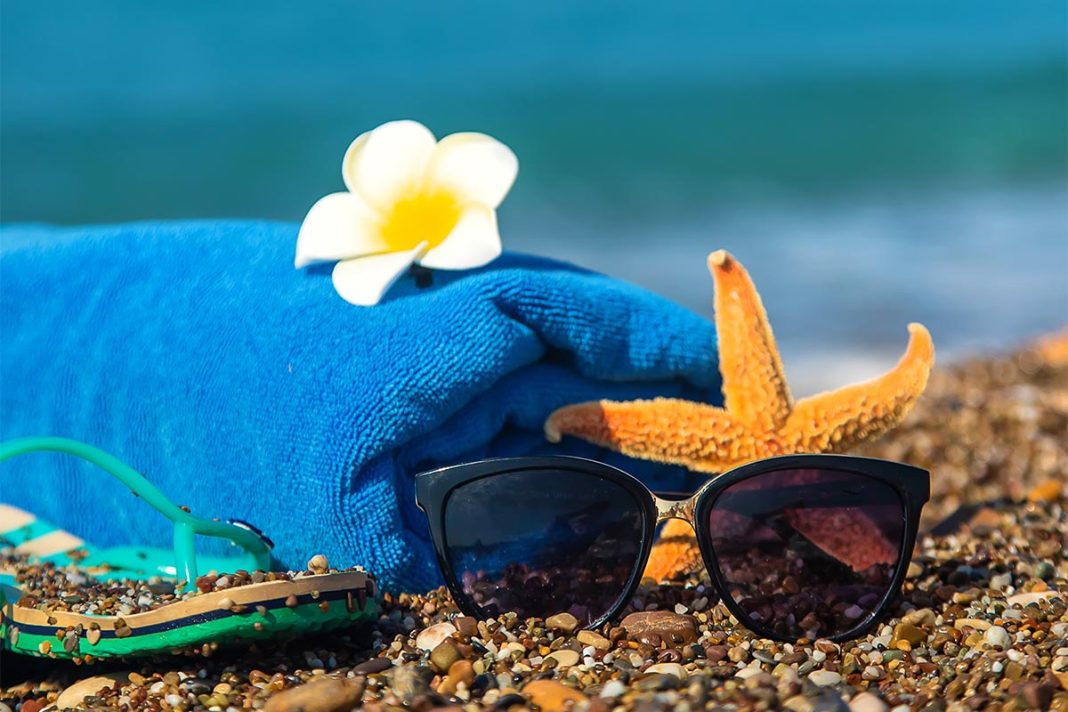
Every summer, one question seems almost unavoidable across the Western Balkans: “Where are you going to the sea this year?” For many families, a seaside holiday has become more than a vacation-it is often viewed as an annual obligation. In some cases, people even take out loans or stretch their budgets simply to afford a week on the coast, reflecting the strong social expectation that summer is incomplete without a trip to the beach.
Yet the idea of a holiday should ultimately be about rest, not pressure. Whether it is a luxury resort or a modest apartment, the purpose of time off is to disconnect, recharge and spend quality time with family and friends. If planning the trip becomes a source of financial stress or anxiety, it raises the question of whether the original purpose of a holiday has been lost.
The expectation that a summer break must mean the seaside is also increasingly being questioned. While beach destinations remain the first choice for many, others prefer city breaks in destinations such as Paris, London or Copenhagen, mountain escapes, wine regions, hiking holidays or long-distance trips to explore different cultures. In many Western European countries, this variety of travel has long been considered just as typical as a beach vacation.
As travel becomes more accessible and preferences continue to evolve, the Western Balkans may gradually embrace a broader definition of what a summer holiday can be. The most memorable trips are not necessarily the ones spent by the sea-they are the ones that reflect personal interests, fit individual budgets and leave people returning home genuinely rested.