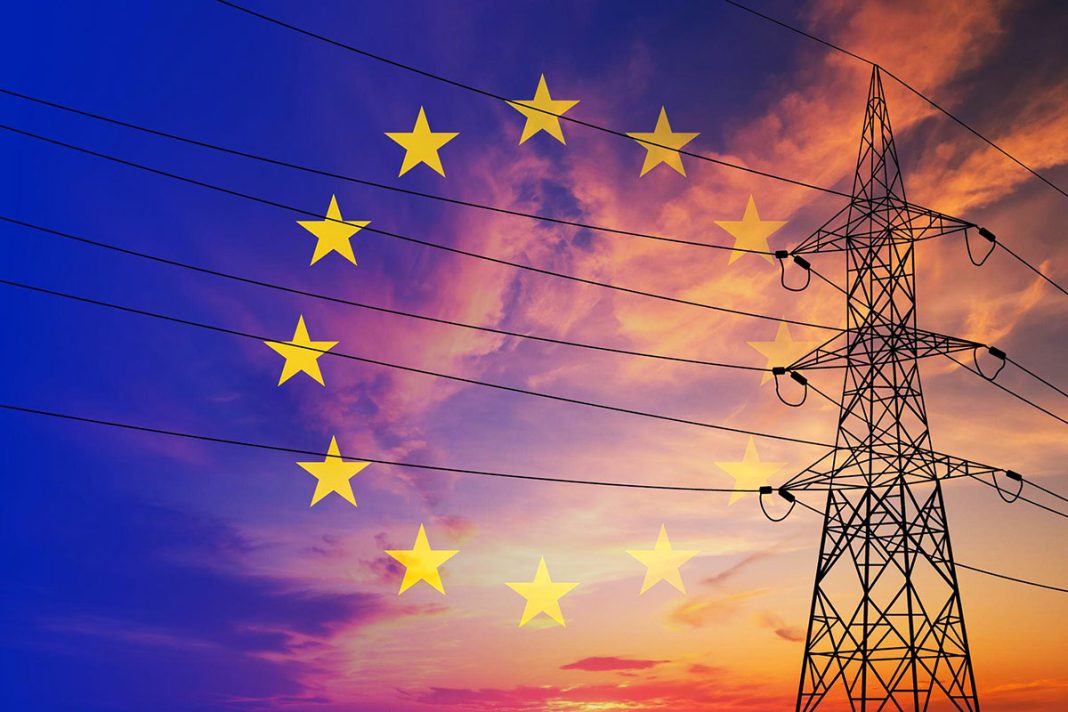
Countries across the Western Balkans are pushing for urgent changes to EU carbon pricing rules after a sharp decline in electricity exports, triggered by the introduction of the Carbon Border Adjustment Mechanism (CBAM) on power.
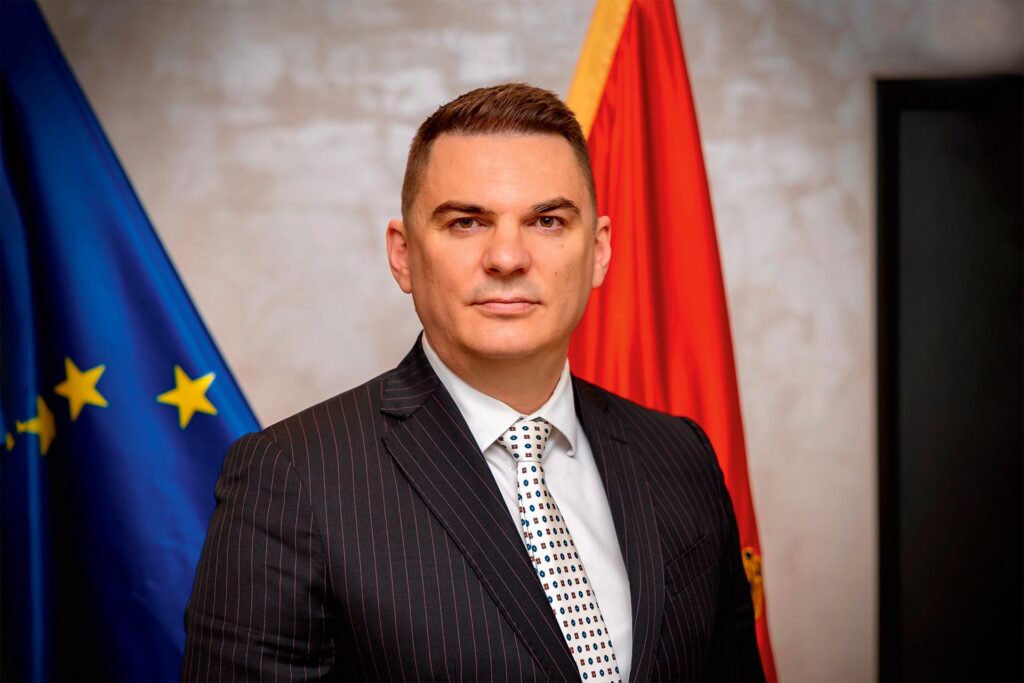
In a joint move, Montenegro’s Energy Minister Admir Šahmanović, speaking on behalf of Serbia, Bosnia and Herzegovina, North Macedonia and Kosovo*, has sent a formal letter to members of the European Parliament’s industry and energy committee. The request is to revise Regulation (EU) 2023/956 to address how electricity is treated under CBAM.
Market Shock
Since January 2026, CBAM has effectively imposed additional costs on electricity exports from the region to the EU, regardless of whether that electricity comes from coal or renewable sources.
The result has been immediate.
Despite strong hydropower output driven by favourable weather conditions, regional producers have seen falling demand from EU buyers, creating uncertainty across electricity markets. Even clean energy exports have been affected, weakening one of the region’s key transition advantages.
A Policy Mismatch
The core issue is not climate ambition, but timing and design. Western Balkan countries argue they have already aligned much of their energy legislation with EU standards and are progressing toward market integration.
However, CBAM introduces stricter conditions and shorter timelines than those embedded in the EU accession process. In the letter, Šahmanović warns that the current framework risks blocking the very goal it is meant to support — the integration of regional electricity markets with the EU.
Real Costs Emerging
The financial impact is already visible.
Montenegro’s state utility, Elektroprivreda Crne Gore, reported a 13 million euro drop in export revenues in the first quarter of 2026 alone due to CBAM-related price effects.
While there is no immediate indication that consumer electricity prices will rise, the company says it is closely monitoring the situation.
Bigger Than Energy
This is not just an energy story. The region is being asked to accelerate its transition under EU-level rules without equivalent infrastructure, funding or market maturity.
The message from the Western Balkans is simple: alignment is underway, but the pace must reflect reality.