
The Western Balkan countries need to step up their decarbonisation measures through the increasing of their interconnectedness, the diversifying of energy sources and the aligning of their national legislations with the EU acquis
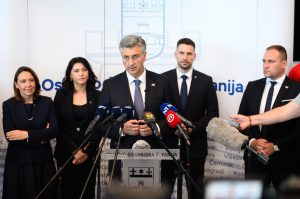
In this short interview, Slovenian Environment, Climate and Energy Minister Bojan Kumer shares his insights into green transition around the region. Minister Kumer emphasises the importance of enhancing connectivity and regulatory harmonisation across European nations, particularly in the Western Balkans. He discusses the need for intensified decarbonisation measures, increased interconnectedness, energy source diversification and alignment with EU legislation. Additionally, Minister Kumer also highlights Slovenia’s experiences in electrical self-consumption and addressing energy poverty, stressing the potential for mutual learning and the sharing of best practices with Western Balkan countries.
What is your perspective on a wise approach to green transition in the region?
― Europe, as a whole, needs to intensify its work on increasing connectivity and regulatory harmonisation between different national energy systems. This will strengthen the energy security and resilience of our energy systems.
Rising electrical self-consumption and addressing energy poverty is part of our systematic approach to responsible energy consumption
When it comes to the Western Balkans, countries need to step up their decarbonisation measures through the increasing of their interconnectedness, the diversifying of energy sources and the aligning of their national legislations with the EU acquis.
Could you single out the key competences and experiences of your country that you would be interested in sharing with Western Balkan countries?
― I believe it would be better if we ask ourselves what can we learn from each other, and what best practices we can share. In Slovenia, we have recently been experiencing a rise in electrical self-consumption, through which we empower end users to become active users (or so-called prosumers). We have also developed a systematic approach to tackling energy poverty. I am convinced there are many other fields in which we could learn from our partners in the Western Balkans.