

From the technology behind global communications to medicines, automotive engineering and digital worlds, the seven countries of Adria have contributed far more to modern life than their international reputations suggest. Much of that influence remains hidden in plain sight
The world encounters Adria more often than it realises.
It may happen through a message delivered by Croatian communications technology, a video game created by Slovenian developers or a digital platform built by engineers in North Macedonia. The consumer rarely sees the country of origin. Sometimes even the company responsible for the technology remains invisible.
This is the paradox of a region whose global reputation is still shaped largely by tourism, political history and its most recognisable cultural figures. Its economic and intellectual contributions reach far beyond those familiar associations.
Across Slovenia, Croatia, Bosnia and Herzegovina, Serbia, Montenegro, North Macedonia and Albania, companies, researchers and creative professionals participate in international industries whose products and services are used by millions.
Some have built internationally recognised brands. Others operate behind the scenes, supplying technologies, expertise and specialised products to businesses far larger than themselves.
Their stories reveal a different geography of global influence – one that cannot be measured simply by population, territory or the size of a national economy.
THE TECHNOLOGY YOU NEVER SEE
One of the clearest examples comes from Croatia, where Infobip has developed into an international communications technology business. Founded in Vodnjan in 2006, the company builds infrastructure that enables businesses to communicate with customers through messaging, authentication and other digital channels. Its technology can reach more than seven billion mobile devices across six continents.
Most people receiving a digital notification will never know which platform helped deliver it. That invisibility is precisely what makes companies like Infobip interesting: their products are not necessarily recognisable brands, but essential parts of the digital infrastructure on which other businesses depend.

A different form of global influence emerged from Serbia. Belgrade-based Nordeus created Top Eleven, a football management game that had attracted more than 220 million downloads by its tenth anniversary in 2020.
Neither example depends on exporting raw materials or manufacturing physical goods. Their principal assets are software, intellectual property and the ability to understand international markets.
FROM PODGORICA TO THE WORLD
Montenegro offers a particularly revealing example of how little geography needs to matter in the digital economy.
Coinis, founded in Podgorica in 2013, has developed advertising technologies serving international customers. The company reports having served more than 10,000 advertisers, demonstrating how a business originating in a country of roughly 600,000 inhabitants can build products for a much larger market.

The contrast is striking. Montenegro’s international economic identity is closely associated with luxury tourism, real estate and its Adriatic coastline. Yet companies like Coinis demonstrate that international expansion does not always require large domestic demand or extensive physical infrastructure.
Global reach, however, is not the same as global recognition. Products may travel widely while their origins remain almost entirely unknown.
SMALL COUNTRIES, ENORMOUS AUDIENCES
Slovenia provides perhaps the most spectacular illustration of the disproportionate global reach that digital creativity can achieve.
Outfit7, founded by Slovenian entrepreneurs, created Talking Tom, the animated character that became a worldwide entertainment franchise. By 2025, the company reported more than 25 billion cumulative downloads across its games.

North Macedonia has produced its own internationally oriented digital businesses. Skopje-based EmbedSocial develops tools that allow companies to integrate customer reviews and social media content into their websites. It reports more than 400,000 users and offices in Skopje, Tokyo and Lisbon.

Both examples challenge the assumption that smaller economies must rely primarily on foreign manufacturers or inexpensive labour. A company can develop intellectual property locally and reach customers globally without first dominating its domestic market.
ENGINEERING BEYOND THE SPOTLIGHT
Not all invisible contributions are digital products that consumers can download.
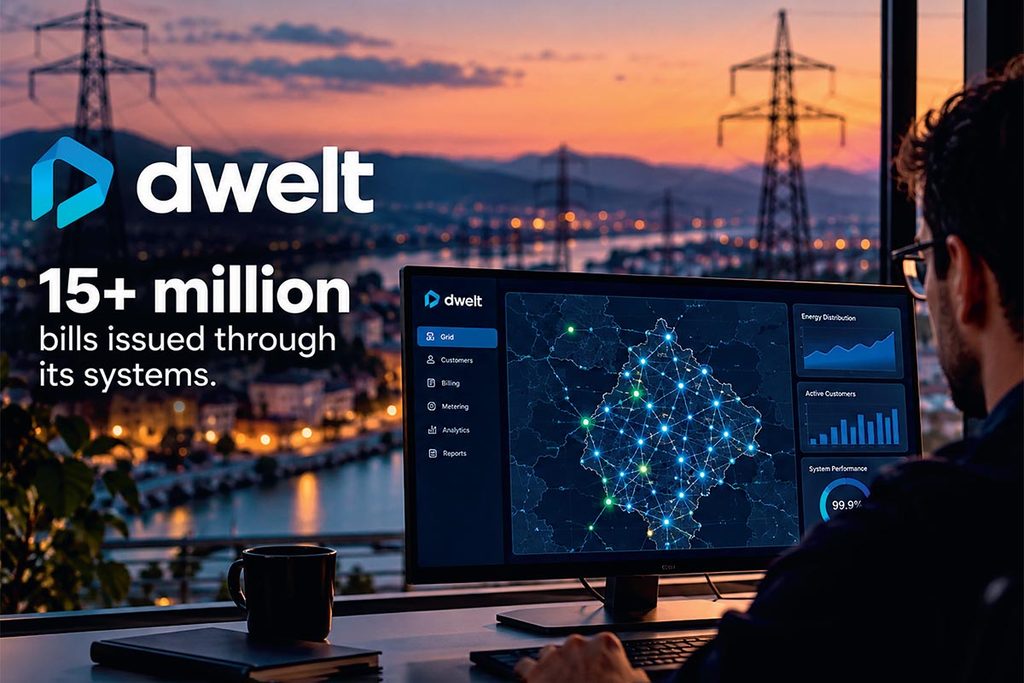
In Bosnia and Herzegovina, Banja Luka-based Dwelt develops software for energy suppliers and distributors. Its technology supports billing, customer relationships and electricity infrastructure. The company reports more than 15 million bills issued through its systems, demonstrating how a relatively small technology business can support substantial economic activity.
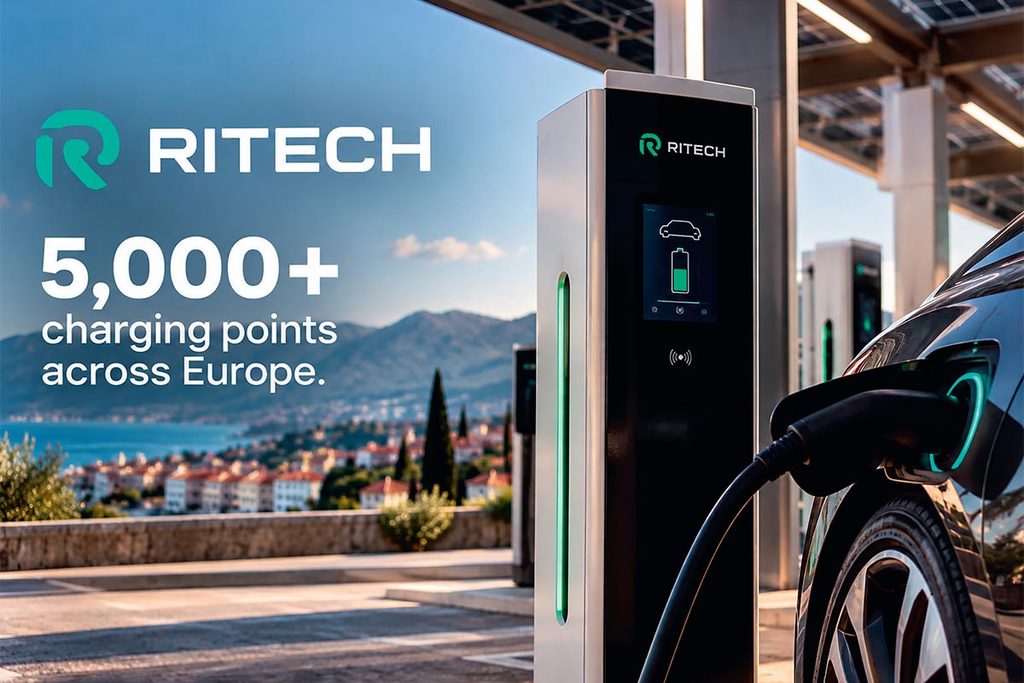
Albania’s contribution is also growing. Ritech, with development operations in Tirana, provides software engineering and digital solutions for international businesses. Its work illustrates another route into the global economy: developing the technology behind products and services operated by companies elsewhere.
Unlike consumer brands, technology suppliers may remain unknown to the people who ultimately use their work. Yet their contribution can be essential.
THE QUESTION OF OWNERSHIP
These examples reveal an important distinction between participating in the global economy and controlling the products that reach it.
A company developing its own software platform or intellectual property occupies a different position from one providing engineering services to an international client. Both create employment, generate expertise and connect local economies to global markets. But their opportunities are not identical.
Ownership of intellectual property can provide long-term revenues, stronger pricing power and expansion without a proportional increase in employees or physical production. Service providers can develop sophisticated technical capabilities and international relationships, but often remain more dependent on contracts and external demand.
Neither model guarantees success. Both demonstrate that the region’s contribution to global industries is broader than conventional export statistics suggest.
They also raise an increasingly important question as artificial intelligence transforms knowledge-intensive industries: will Adria remain primarily a supplier of skilled people, or will more of its companies become owners of globally competitive technologies?
A REGION LARGER THAN ITS MAP
Adria’s global footprint is difficult to represent on a conventional map. It is scattered across software platforms, communication networks, digital entertainment, engineering projects and business systems used far beyond the region’s borders.
Its influence does not always carry a national label. Consumers may know Talking Tom without knowing its Slovenian origins. Businesses may use Infobip’s communications technology without associating it with Croatia. A company operating an energy system or advertising campaign may have little reason to consider where the underlying software was developed.
That anonymity can be evidence of successful international integration. Products and technologies have become valuable because of what they do, not where they come from.
Yet recognition still matters. Countries known for innovation find it easier to attract investment, talent and international partnerships. A stronger understanding of the region’s technological achievements could therefore become an economic asset in its own right.
The seven countries of Adria are unlikely to compete with the world’s largest economies through scale alone. Their opportunities lie increasingly in specialised expertise, creativity, technological development and products capable of reaching international markets.
Some of those opportunities have already become global success stories. Others are still emerging.
The world may not always know where these products and technologies originate. But it is already using them.